7 Game-Changing Tips for Perfectly Boiled Eggs Every Time!
7 Essential Tips for Perfectly Boiled Eggs Every Time
- Introduction
- Perfect Boiling Methods
- Timing Tips for Boiling Eggs
- How to Peel Eggs Easily
- Common Mistakes to Avoid
- FAQ
- Conclusion
Introduction
Have you ever cracked open a boiled egg, only to find that it’s overcooked and rubbery or, worse, undercooked and gooey? These frustrating moments can make meal prep feel daunting, especially when you desire that perfect soft or hard yolk. But achieving boiled eggs that are just right doesn’t have to be a mystery. With some simple adjustments and techniques, you can consistently enjoy deliciously boiled eggs. Continue reading to discover how you can elevate your egg boiling skills.
Perfect Boiling Methods
Mastering the technique of boiling eggs involves understanding the different boiling methods available. Here are a few approaches to consider:
1. Stovetop Method
- Place cold eggs in a single layer in a saucepan.
- Cover the eggs with water, ensuring the water level is about an inch above the eggs.
- Bring the water to a boil over medium-high heat.
- Remove the saucepan from heat, cover it, and let it sit for the desired time.
2. Oven Method
For a hands-off approach, consider using the oven:
- Preheat your oven to 325°F (160°C).
- Place eggs in a muffin tin to prevent rolling.
- Bake for about 25-30 minutes.
3. Pressure Cooker Method
This method is quick and efficient:
- Add one cup of water to the pressure cooker and insert the steamer basket.
- Set the eggs in the basket, close the lid, and cook on high pressure for 5 minutes.
- Release the pressure and transfer the eggs to an ice bath.
Timing Tips for Boiling Eggs
Getting the timing right can be the difference between perfect and imperfect boiled eggs. Here’s a quick guide:
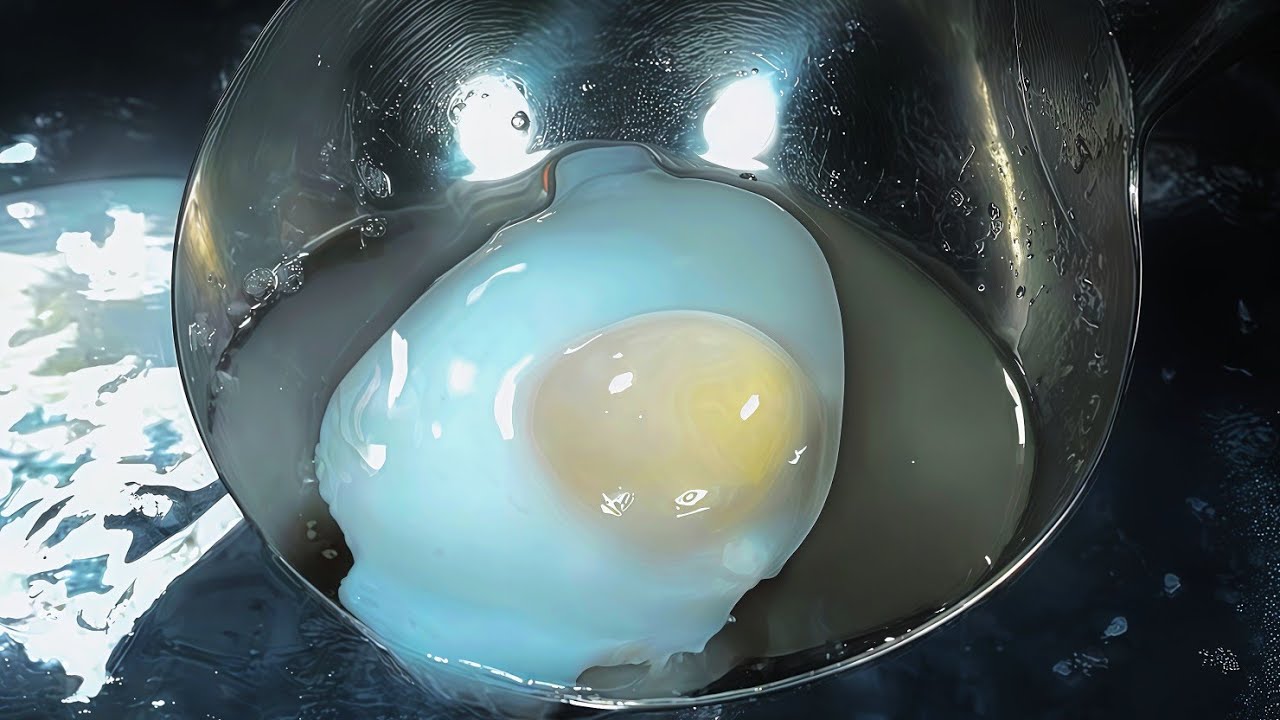
- Soft-boiled eggs: 4 to 6 minutes for a runny yolk.
- Medium-boiled eggs: 7 to 9 minutes for a slightly firmer yolk.
- Hard-boiled eggs: 10 to 12 minutes for a fully set yolk.
Tips for Consistency
To ensure your eggs are perfectly timed:
- Use a timer to prevent guesswork.
- Consider altitude adjustments if you’re in a higher elevation area.
- Start boiling from room temperature eggs to maintain even cooking.
How to Peel Eggs Easily
Peeling boiled eggs can sometimes be a hassle. Here are some tips to ensure smooth peeling:
1. Ice Bath
After boiling, immediately transfer the eggs to an ice bath. This not only cools them down quickly but also helps shrink the membranes from the shells, making peeling easier.
2. Roll and Crack
To remove the shell, gently roll the egg on a hard surface and then start peeling from the wider end, which typically contains the air pocket.
3. Freshness Matters
Consider using older eggs for boiling, as fresh eggs can be challenging to peel. Try to age your eggs for about a week before boiling.
Common Mistakes to Avoid
Even with the best intentions, certain common mistakes can lead to subpar eggs. Here’s what to watch out for:
- Overcrowding the pot: This can lead to uneven cooking.
- Skipping the ice bath: Not cooling them quickly can firm up the whites too much.
- Ignoring freshness: Using very fresh eggs can make peeling difficult.
FAQ
How long should I boil eggs for a runny yolk?
To achieve a soft-boiled egg with a runny yolk, boil the eggs for 4 to 6 minutes.
Can I reuse the water for boiling eggs?
Yes, if the water is clean, you can reuse it, but it may absorb some flavor from the eggs.
What is the best way to store boiled eggs?
Boiled eggs can be stored in the refrigerator in their shells for up to one week for best quality.
Conclusion
By mastering these essential tips for perfectly boiled eggs, you can enhance your meal prep routine. Remember to pay attention to your timing and techniques. Have you tried any unique methods for boiling eggs that worked well for you? Share your experiences in the comments!