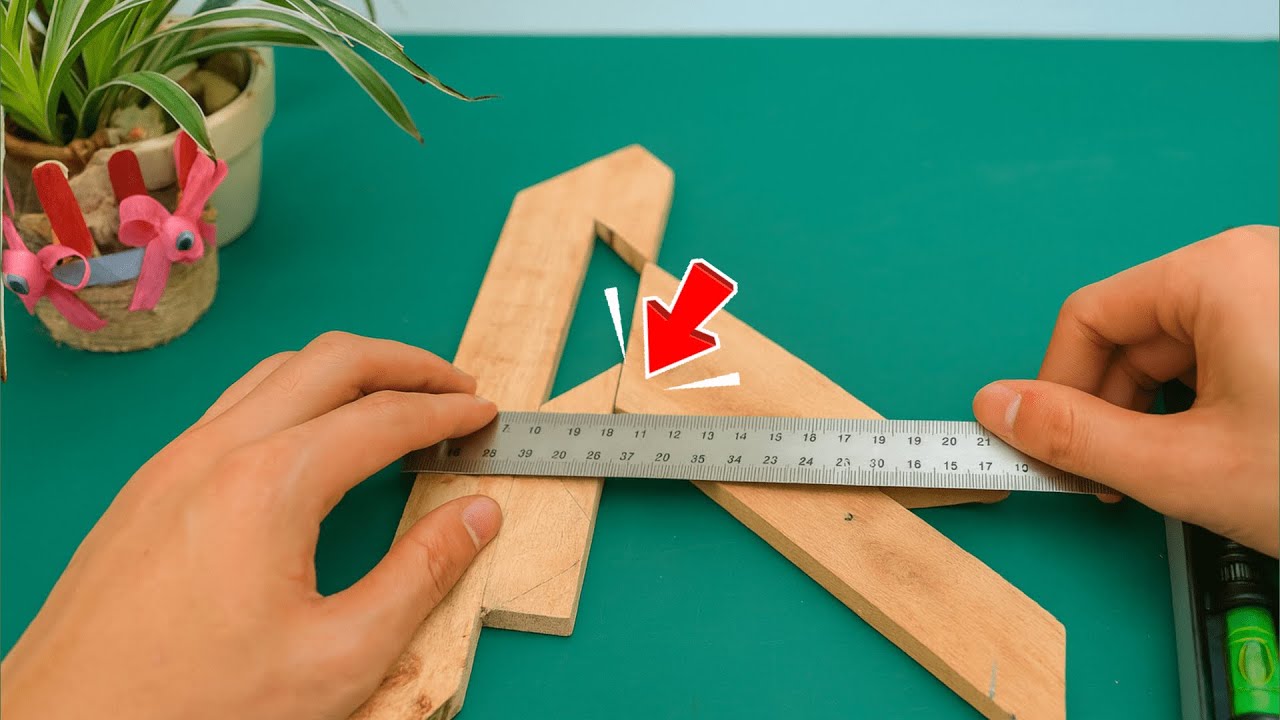
5 Essential Tips for Measuring Angles and Fitting Wood Like a Pro Carpenter
5 Essential Tips for Measuring Angles and Fitting Wood Like a Pro Carpenter
- Introduction
- Measuring Angles Accurately
- Tools Required for Wood Fitting
- Common Mistakes to Avoid
- FAQ
- Conclusion
Introduction
Many DIY enthusiasts and home improvement lovers often find themselves struggling with accurately measuring angles and fitting pieces of wood together seamlessly. This challenge can lead to wasted materials, frustrating revisions, and a final product that doesn’t quite meet expectations. Thankfully, with a few essential tips in hand, you can elevate your woodworking skills and achieve professional-level results. By mastering the right techniques, you’ll discover how to tackle your projects with confidence.
Measuring Angles Accurately
To start, understanding how to measure angles is crucial for any woodworking project. Whether you’re creating furniture, shelving, or decorative pieces, accurate measurements make all the difference.
1. Utilize a Protractor
A protractor is an essential tool for accurately measuring angles. Follow these steps:
- Align the protractor with one edge of your wood.
- Make a mark at the angle you need.
- Draw a line from this mark to the opposite edge, ensuring a precise cut.
2. Employ a Speed Square
A speed square is perfect for both measuring angles and marking straight lines. Here’s how to use it:
- Placement: Place the square on your material, aligning it with the edge.
- Mark the desired angle along the slanted edge of the square.
3. Check for Consistency
Always double-check your angle by measuring from multiple references. Using a combination square can help ensure your measurements are consistent.
Tools Required for Wood Fitting
Having the right tools at your disposal is key to fitting wood pieces accurately. Here are a few indispensable tools you should consider:
1. Clamps
Clamps are essential for keeping your joints secure while the glue sets or during assembly. Choose adjustable clamps for versatility.
2. Chisels
Precision is vital; having a good set of chisels allows you to refine joints and ensure a snug fit, especially in corners.
3. Measuring Tape
A reliable measuring tape will help you maintain precise control over your measurements. Look for one with clear markings for easier reading.
Common Mistakes to Avoid
Even the most seasoned woodworkers can make mistakes that affect the quality of their projects. Here are some common pitfalls to watch out for:
1. Skipping Measurements
One of the biggest errors is skipping initial measurements. Always measure twice before making any cuts to avoid wasting materials.
2. Ignoring Wood Grain
Failing to account for the wood grain when fitting pieces can lead to misaligned edges. Always consider how the grain will affect your cuts.
3. Overusing Glue
Applying too much glue can result in a mess and overflowing joints. Use just enough to create a bond without excess.
FAQ
Q: What is the best tool for measuring angles?
A: A protractor is ideal for measuring angles accurately, while a speed square provides additional versatility.
Q: How can I improve the fit of my wood joints?
A: Ensure precise measurements, refine edges with chisels, and clamp securely during assembly for better results.
Q: What are common mistakes to avoid in woodworking projects?
A: Common mistakes include skipping measurements, neglecting wood grain, and using too much glue.
Conclusion
Measuring angles accurately and fitting wood correctly is essential for achieving quality results in your woodworking projects. By incorporating these tips into your practice, you’ll find your skills improve significantly. What techniques do you use to ensure precise measurements in your projects? Share your thoughts in the comments below!