Revive Your Orchid in 5 Easy Steps with This Magical Method!
Revive Your Orchid in 5 Easy Steps with This Simple Method!
Introduction
Orchids can be a beautiful addition to your home, but they can also be quite challenging to care for. You might find your once-vibrant orchid losing its luster, with wilting leaves and drooping blooms. This can be disheartening, especially when you’ve put in the effort to keep it lush. If you’re wondering how to bring your treasured plant back to life, you’re in the right place. Let’s explore a straightforward approach to help your orchid thrive once again.
Understanding Orchids
Before you dive into the revival process, it’s essential to understand the unique needs of orchids. These stunning plants require special care to flourish, and knowing their characteristics will help guide your approach.
Types of Orchids
- Phalaenopsis: Commonly known as the moth orchid, these are popular due to their long-lasting blooms.
- Cattleya: Renowned for their fragrant flowers, they thrive in bright light.
- Dendrobium: These orchids prefer slightly cooler temperatures and can produce a stunning array of colors.
Orchid Care Basics
Orchids are epiphytes, meaning they naturally grow on other plants and trees in their native environments. This affects how you should care for them indoors:
- Ensure proper air circulation.
- Choose the right potting medium, such as bark or moss.
- Water appropriately—overwatering is a common mistake.
Steps to Orchid Revival
Now that you understand orchids better, let’s dive into the specific steps to help revive your plant.
Step 1: Assess the Damage
Take a close look at your orchid. Determine if it’s suffering from issues like:
- Yellow leaves: This can indicate overwatering.
- Brown tips: A sign of inconsistent watering or humidity issues.
- Dropping blooms: Stress from environmental changes.
Step 2: Adjust Watering Schedule
Orchids prefer to dry out between waterings. Here’s how to establish a better routine:
- Check moisture: Use your finger to feel the potting medium; if it’s dry two inches down, it’s time to water.
- Water thoroughly: Allow water to run out of the drainage holes, removing excess in the saucer.
- Frequency: Typically, watering every 7-10 days works well.
Step 3: Improve Lighting Conditions
Lighting can significantly impact an orchid’s health:
- Indirect sunlight: Position your orchid in a spot where it can receive bright, indirect light.
- Rotate the plant: Every few days to promote even growth.
- Avoid drafts: Keep your orchid away from air conditioning vents or open windows.
Step 4: Fertilize with Care
Using the right fertilizer can encourage healthy growth:
- Choose a balanced fertilizer designed for orchids.
- Apply every 2-4 weeks during the growing season.
- Dilute the fertilizer to half-strength to avoid over-fertilization.
Step 5: Repot if Necessary
If your orchid is root-bound or the medium has broken down, it’s time to consider repotting:
- Choose a new pot: Select one slightly larger than the current pot, with drainage holes.
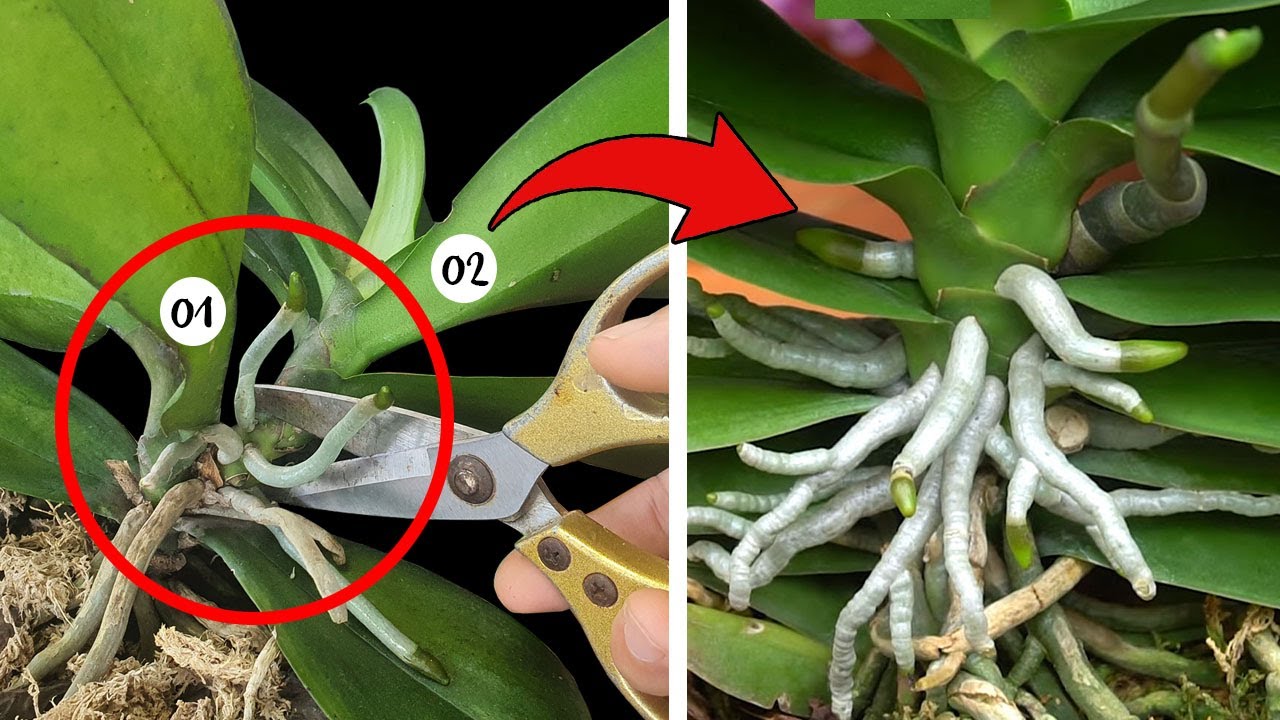
- Remove old medium: Gently take the orchid out and clean the roots.
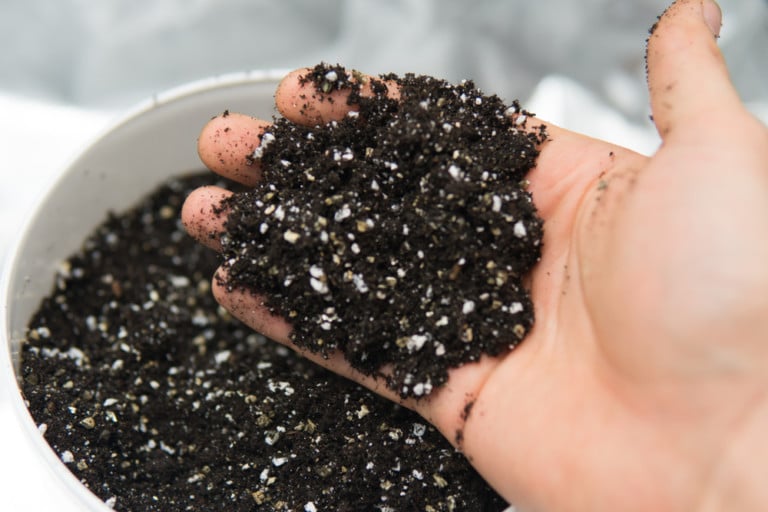
- Re-pot: Use fresh orchid mix to help rejuvenate your plant.
Common Mistakes to Avoid
Reviving your orchid can be a rewarding experience, but there are pitfalls to watch out for:
- Overwatering: One of the most common errors, leading to root rot.
- Insufficient light: Not providing enough brightness can inhibit blooming.
- Ignoring humidity: Orchids thrive in higher humidity levels, usually around 50-70%.
- Using regular potting soil: This can suffocate the roots; use a suitable orchid medium instead.
FAQ
How often should I water my orchid?
Typically, you should water your orchid every 7-10 days, allowing the potting medium to dry out between waterings.
What should I do if my orchid is not blooming?
Check light conditions, ensure proper watering, and consider the temperature, which should ideally be around 70-80°F during the day.
Can I use normal plant fertilizer on orchids?
No, regular plant fertilizers can harm orchids. Look for a fertilizer specifically formulated for orchids.
Conclusion
Reviving your orchid involves understanding its unique requirements and making simple adjustments to your care routine. By following these steps, you’ll be well on your way to enjoying a healthy, vibrant plant once again. What has been your biggest challenge in caring for orchids? Feel free to share your experiences in the comments!