This simple method reveals 5 hidden signs of gout and how to treat them…
This Simple Method Reveals 5 Hidden Signs of Gout and How to Treat Them
If you’ve ever experienced sudden, intense pain in your joints, particularly in your big toe, you may be dealing with **gout**. Understanding the **hidden signs** of gout is crucial for timely treatment. In this article, we’ll explore five vital indicators that could suggest you have gout and practical ways to manage the condition.
1. Sudden Joint Pain
The most common symptom of gout is **sudden joint pain**. It often strikes at night and can be so intense that even the weight of a sheet feels unbearable. This pain usually starts in the big toe but can affect other joints as well.
Tip:
Keep a pain diary to track your symptoms. Note when the pain starts, how long it lasts, and any potential triggers like red meat or alcohol.
2. Swelling and Inflammation
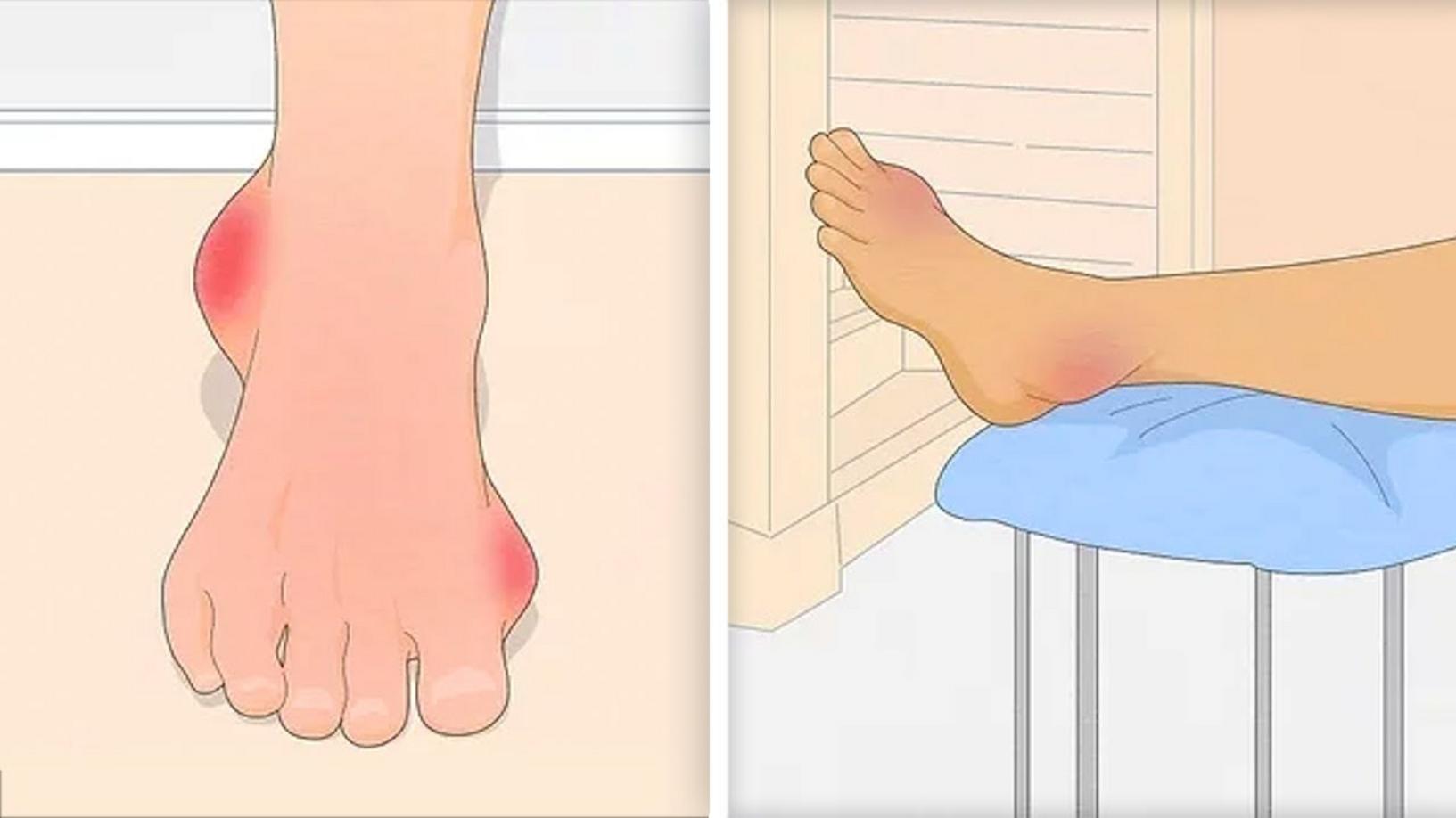
Another key sign of gout is **swelling and inflammation** around the affected joint. The skin may appear shiny and red, indicating that your body is reacting to the elevated levels of uric acid.
Practical Tip:
Apply ice packs to the swollen area for 15-20 minutes to reduce swelling. Elevating the joint can also help alleviate discomfort.
3. Lingering Discomfort
After the initial attack, many people experience a lingering, discomforting sensation in the affected joint. This **lingering discomfort** can last for days or even weeks.
Action Plan:
Stay hydrated by drinking plenty of water. Adequate hydration helps flush uric acid from your system and may reduce discomfort.
4. Limited Range of Motion
Gout can lead to a **limited range of motion** in the affected joints, making simple activities like walking or climbing stairs difficult. This can severely impact your quality of life.
What to Avoid:
Don’t skip physical activity! Gentle exercises like stretching can prevent stiffness and improve mobility. Avoid high-impact activities while in pain.
5. Tophi Formation
If gout goes untreated, **tophi**—which are lumps of uric acid crystals—can form under the skin around joints. These can be painful and may require surgical intervention if they cause significant issues.
Proactive Treatment:
Consider dietary changes to manage your uric acid levels. Focus on low-purine foods, such as fruits, vegetables, and whole grains. Incorporate cherries into your diet, as they may help reduce uric acid levels.
Conclusion: Take Action Now!
For more articles and tips on how to live a healthier life, subscribe to our channel and stay informed. Remember, your journey to wellness starts with awareness and action!