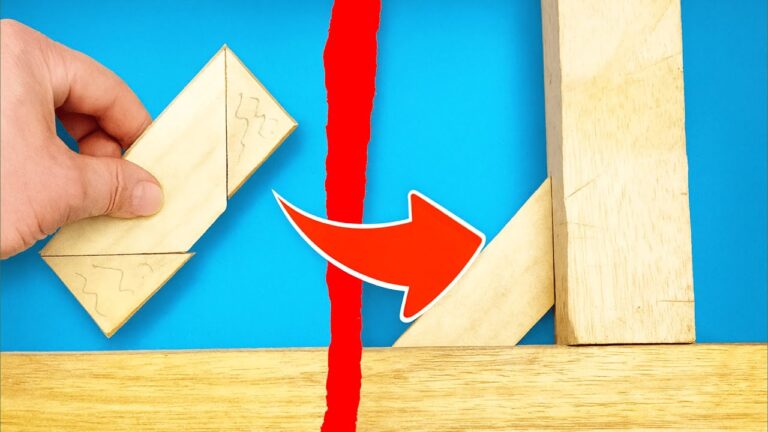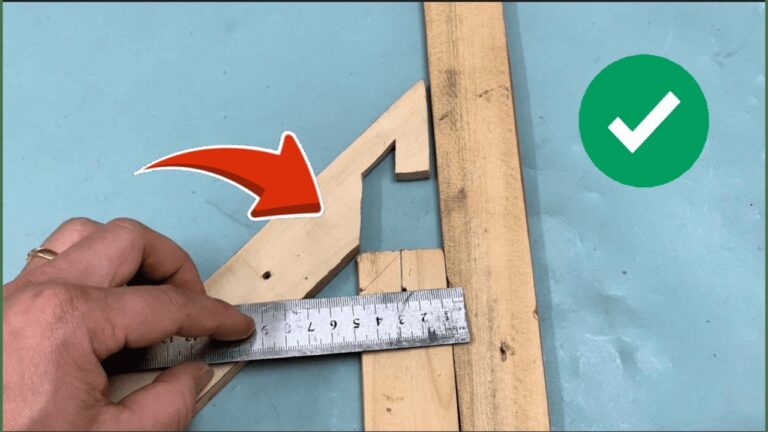

Discover 5 Amazing Wood Joints by a 75-Year-Old Craftsman – No Machines Needed!
5 Traditional Wood Joints You Can Learn from a Seasoned Craftsman
- Introduction
- Understanding Wood Joints
- Traditional Joint Techniques
- Common Mistakes to Avoid
- FAQ
- Conclusion
Introduction
Picture yourself surrounded by the warm aroma of freshly sawn wood and the gentle sound of tools gliding through timber. You’re ready to embark on a journey into the world of woodworking, wanting to master the art of creating sturdy and beautiful structures. However, you might feel overwhelmed by the array of techniques and tools at your disposal. Understanding how to utilize traditional wood joints can significantly enhance your skills and projects. Let’s explore these methods together.
Understanding Wood Joints
Before diving into specific techniques, it’s crucial to understand what wood joints are and why they matter. Wood joints are the connections made between two or more pieces of wood, playing a vital role in the durability and aesthetics of your projects.
1. The Purpose of Wood Joints
Wood joints serve various purposes, including:
- Providing structure
- Enhancing appearance
- Facilitating movement and expansion
2. Types of Joints to Explore
Each joint has its own strengths and applications:
- Butt Joint: Basic and easy to execute
- Dado Joint: Great for shelving
- Mortise and Tenon: Ideal for furniture making
3. Selecting the Right Joint for Your Project
Your choice largely depends on the type of project you’re working on. For strength and durability, consider mortise and tenon, while for simpler tasks, a butt joint may suffice.
Traditional Joint Techniques
Now, let’s delve into some traditional techniques that you can apply without needing modern machinery. Here’s how to execute five classic wood joints.
1. Butt Joint
- Align the two pieces of wood where they will meet.
- Apply wood glue to the edges.
- Clamp them together until the glue dries.
2. Dado Joint
- Measure the width of your shelf and mark it on the side pieces.
- Cut a groove with a chisel or hand saw.
- Fit the shelf into the groove and secure with glue.
3. Mortise and Tenon Joint
- Drill a mortise into one piece of wood.
- Shape a tenon on the end of the second piece.
- Fit the tenon into the mortise and secure with glue or a peg.
4. Lap Joint
- Overlap two pieces of wood at the joint.
- Trim both pieces down to size to create a flush surface.
- Glue and clamp them together until secured.
5. Finger Joint
- Cut interlocking profiles into both pieces of wood.
- Fit the pieces together, ensuring they lock securely.
- Glue and clamp them until the adhesive sets.
Common Mistakes to Avoid
When learning new woodworking techniques, it’s essential to recognize common pitfalls to enhance your skills effectively.
1. Not Measuring Accurately
Failing to take precise measurements can lead to misaligned joints, compromising the integrity of your project. Double-check your dimensions before making any cuts.
2. Skipping the Dry Fit
Skipping a dry fit, or assembling the joint before gluing, is a mistake. Always test the fit of your joint first to ensure everything aligns correctly.
3. Using Too Much Glue
Applying excessive glue can cause a mess and weaken the joint. Instead, use just enough to create a solid bond without oozing out of the edges.
FAQ
What are the strongest wood joints?
Mortise and tenon joints are often considered the strongest because they provide a secure connection without relying solely on glue.
Can I make wood joints without power tools?
Absolutely! Many traditional wood joints can be created using hand tools, making them accessible to anyone eager to learn woodworking.
What wood should I use for joint projects?
Hardwoods such as oak, maple, and walnut are excellent choices due to their strength and durability. Softwoods like pine can also work for lighter projects.
Conclusion
Mastering traditional wood joints can elevate your woodworking projects while connecting you to a timeless craft. Have you tried any of these joints in your projects? Share your experiences in the comments below!