
5 Tips to Keep Your Gut Healthy and Happy for a Better You! 🌟
5 Tips for Maintaining a Healthy Gut for Your Well-Being
- Understanding Your Gut Health
- Incorporating Fiber-Rich Foods
- Hydration and Gut Health
- Mistakes to Avoid
- Frequently Asked Questions
Understanding Your Gut Health
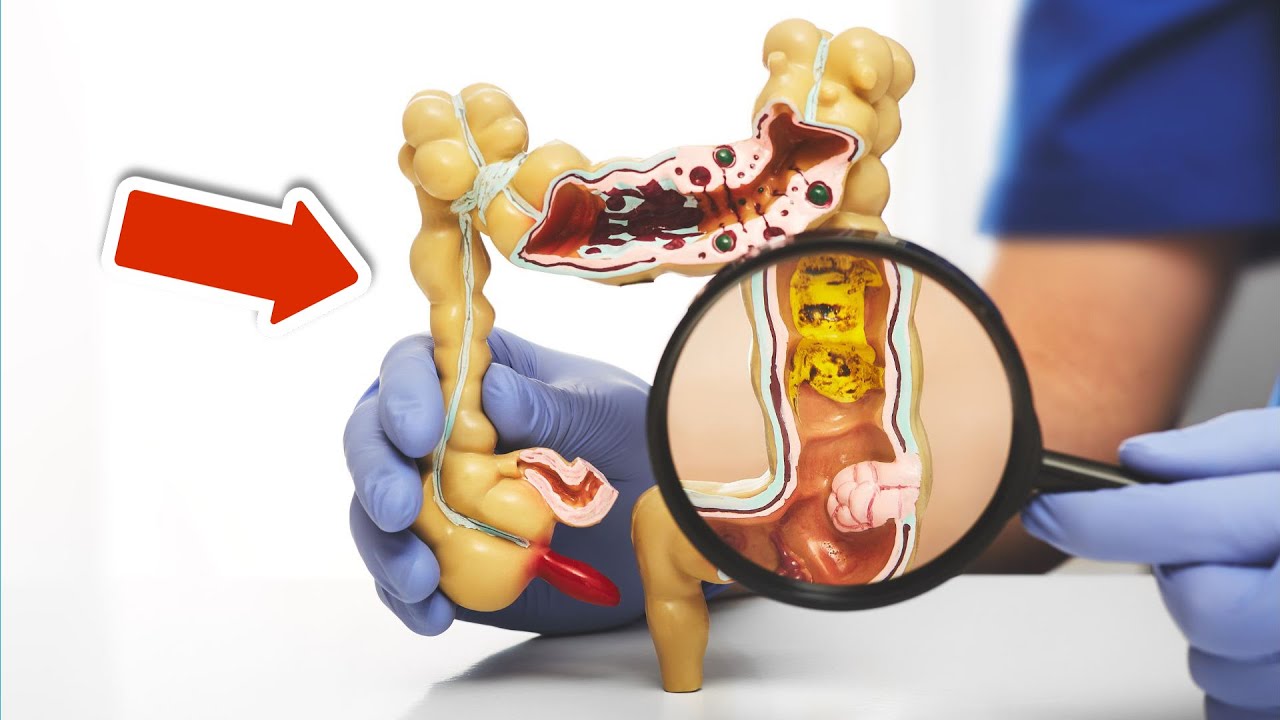
Have you ever felt uncomfortable after a meal or noticed digestive issues that seem to linger? Many people experience various forms of gut distress, which can be caused by diet, lifestyle, or stress. Your gut health is crucial not only for digestion but also for your overall well-being. It’s fascinating how interconnected your gut is with other bodily functions, including your immune system and even mental health. Discovering how to take charge of your gut health can lead to a happier, healthier you.
Incorporating Fiber-Rich Foods
One of the most effective ways to support a healthy gut is through your diet, particularly by
incorporating fiber-rich foods. Fiber helps to maintain regular bowel movements and feeds the beneficial bacteria in your gut.
1. Embrace Whole Grains
Whole grains, such as oats, quinoa, and brown rice, are excellent sources of fiber. Not only do they keep you feeling full longer, but they also promote healthy gut bacteria:
- Choose whole-grain options when possible.
- Try making overnight oats for breakfast, topped with your favorite fruits.
- Substitute white rice with quinoa or brown rice for lunch and dinner.
2. Load Up on Fruits and Vegetables
Fruits and vegetables provide vitamins and antioxidants that are beneficial for gut health. Consider:
- Incorporating leafy greens like spinach and kale into your salads.
- Adding berries to smoothies for a nutritious boost.
- Snacking on raw veggies for crunch and fiber.
Hydration and Gut Health
Staying adequately hydrated is crucial for digestion and overall gut function. Water helps dissolve nutrients and fibers that the body needs, making it easier for your digestive system to operate efficiently.
1. Set a Daily Water Goal
Consider your daily water intake and set a goal to ensure you’re drinking enough:
- Track your water consumption with a refillable bottle.
- Aim for at least 8 cups of water each day.
- Infuse your water with fruits for added flavor and nutrients.
2. Recognize Signs of Dehydration
Watch for signs that may indicate dehydration, such as:
- Dark urine, which can be a sign you need to drink more water.
- Fatigue and irritability due to lack of hydration.
- Constipation, which can be worsened without sufficient fluid intake.
Mistakes to Avoid
While aiming for a healthier gut, it’s essential to recognize common mistakes that may hinder your progress:
1. Skipping Meals
Skipping meals can disrupt your digestive rhythm and lead to unhealthy snacking later.
2. Overindulging in Processed Foods
Overconsumption of processed foods can negatively impact the balance of your gut microbiome.
3. Neglecting Gut-Friendly Probiotics
Ignoring the benefits of probiotics, found in yogurt and fermented foods, can miss out on fostering beneficial gut bacteria.
4. Being Sedentary
Long periods of inactivity can slow your digestive process; aim for regular physical activity.
5. Ignoring Stress Management
High stress can affect gut health—practice techniques like meditation or deep breathing for balance.
Frequently Asked Questions
1. What foods are best for gut health?
Foods rich in fiber, such as fruits, vegetables, whole grains, and fermented foods, are great for supporting gut health.
2. Can stress affect my gut health?
Yes, stress can disrupt your digestive system and lead to various digestive issues.
3. How do I know if my gut health is poor?
Signs of poor gut health can include bloating, gas, constipation, or irregular bowel movements.
Conclusion
Focusing on maintaining a healthy gut can lead to overall well-being. By incorporating fiber-rich foods, staying hydrated, and avoiding common mistakes, you can significantly improve your digestive health. What strategies have you found useful for maintaining your gut health? Share your experiences in the comments!