1001 Roots and Super Blooms: The Ultimate Orchid Care Secrets Revealed!
Essential Orchid Care Tips for Thriving Blooms
- Understanding Orchids
- Creating the Right Environment
- Effective Watering Techniques
- Fertilizing Your Orchids
- Common Mistakes to Avoid
- FAQ
Orchids are truly a sight to behold, with their stunning blooms and unique shapes. However, many enthusiasts find that nurturing these beautiful plants often comes with its own set of challenges. Whether your orchids are struggling to bloom or you simply want to elevate your orchid care game, understanding their needs can make all the difference. Dive deeper into our essential tips to ensure your orchids flourish.
Understanding Orchids
Before diving into care routines, it’s crucial to understand what makes orchids unique. With over 25,000 species, these plants have diverse requirements. Here’s what you need to know:
1. Types of Orchids
Orchids can be categorized broadly into two types: epiphytic and terrestrial. Epiphytic orchids grow on trees, deriving moisture and nutrients from the air and rain, while terrestrial orchids grow in the soil. Knowing your orchid type will guide your care practices.
2. Key Characteristics
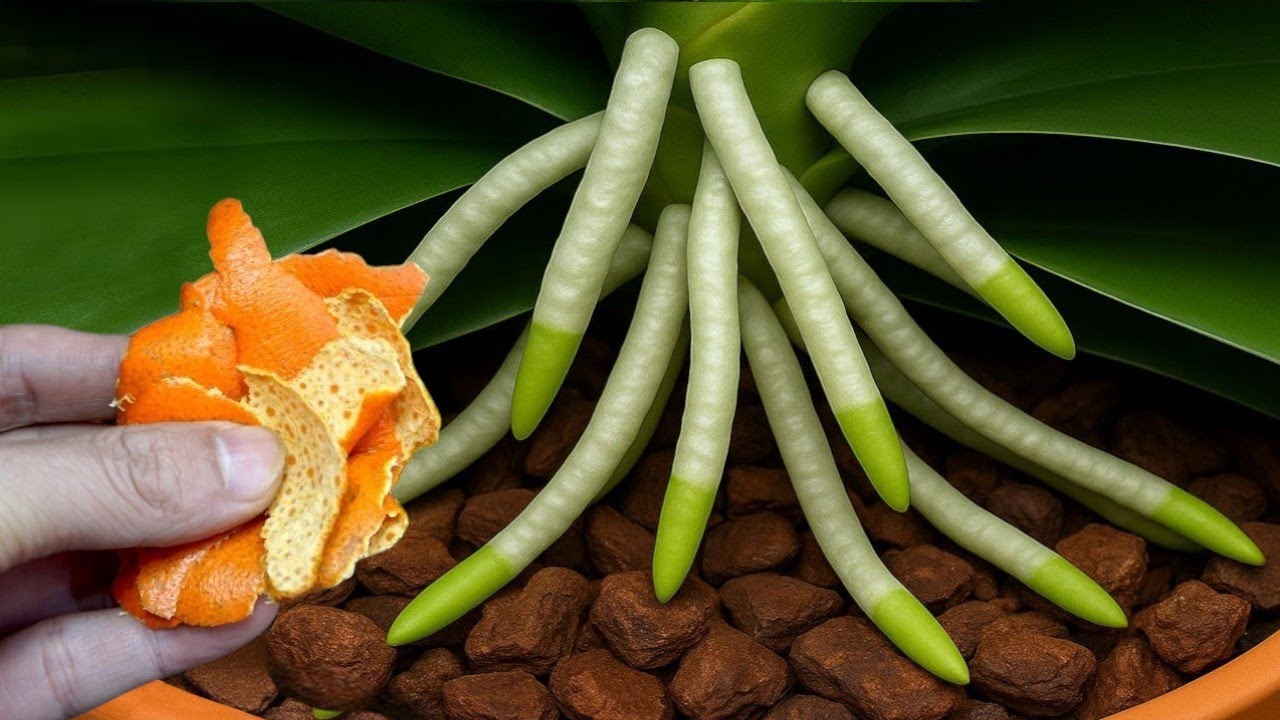
Orchids are known for their thick, fleshy roots which can photosynthesize and store water. Additionally, they have a unique way of blooming, often requiring specific conditions for their flowers to thrive.
Creating the Right Environment
To keep your orchids happy, replicating their natural environment is essential. Here are key elements to consider:
1. Light Requirements
Provide bright, indirect light for your orchids. Direct sunlight can scorch their delicate leaves, while too little light can hinder blooming. A south or east-facing window is ideal.
2. Temperature and Humidity
Orchids thrive in warmer temperatures ranging from 65°F to 75°F during the day and slightly cooler at night. Additionally, maintaining a humidity level of around 50% can help them flourish. Consider using a humidifier or placing a tray of water near your orchids to enhance humidity around them.
Effective Watering Techniques
Proper watering is one of the most vital aspects of orchid care. Understanding their unique watering needs can significantly impact their health:
1. Watering Frequency
Water your orchids only when the top inch of potting mix is dry. Generally, this could mean watering once a week, but factors like humidity and temperature can alter this schedule.
2. Water Quality
Using distilled or rainwater is preferred as tap water can contain chemicals that may harm orchids. Ensure water is at room temperature before applying.
Fertilizing Your Orchids
Regular fertilization is key to vibrant blooms. Here’s how to approach it:
1. Choosing the Right Fertilizer
Opt for a balanced orchid fertilizer with equal parts nitrogen, phosphorus, and potassium. Look for a fertilizer labeled specifically for orchids to ensure it meets their nutritional needs.
2. Feeding Schedule
Feed your orchids every two weeks during the growing season, which typically spans from spring to early fall. Reduce feeding during the dormant winter months.
Common Mistakes to Avoid
Even experienced gardeners can make mistakes when caring for orchids. Here are some pitfalls to watch out for:
1. Overwatering
One of the most common errors is overwatering, which can lead to root rot. Always ensure pots have drainage holes to prevent excess water buildup.
2. Ignoring Pests
Pests such as aphids and mealybugs can wreak havoc on your orchids. Regularly inspect your plants and address infestations promptly with natural solutions.
3. Using Regular Potting Mix
Standard potting soil retains too much moisture for orchids. Instead, use a specialized orchid mix that allows for proper drainage and aeration.
FAQ
How often should I water my orchids? Typically, water orchids once a week, allowing the top layer of the potting mix to dry between waterings.
Why are my orchid leaves turning yellow? Yellowing leaves can indicate overwatering, poor light conditions, or nutritional deficiencies. Evaluate your care routine to pinpoint the issue.
When is the best time to fertilize orchids? Fertilize orchids every two weeks during the growing season and reduce frequency in winter when the plant is dormant.
With the right care, your orchids can become stunning focal points in your home. What challenges have you faced with your own orchids, and how have you tackled them? Share your stories in the comments!