
4 Shocking Foods That Make Your Farts Smell Terrible – Discover the Truth!
4 Foods to Avoid for Fresher Digestion: Understanding What Affects Your Gas
- Common Gas-Causing Foods
- Why Do Some Foods Cause Smelly Gas?
- Tips for Fresher Digestion
- Mistakes to Avoid
- FAQ
Have you ever experienced the embarrassment of passing gas after a meal? It’s a common issue that many face, often without understanding the root causes. Certain foods are notorious for causing unpleasant odors, leaving you feeling anxious about social situations. This guide will provide insights into these foods and how to manage their effects on your digestion.
Common Gas-Causing Foods
Some foods are more likely to cause gas than others, disrupting your digestive comfort. Below are four categories of foods you might want to monitor.
1. Cruciferous Vegetables
Cruciferous vegetables like broccoli, cauliflower, and Brussels sprouts can lead to increased gas production. They contain complex carbohydrates and fiber which can be hard to digest.
2. Legumes
Beans and lentils are often referred to as “musical fruit” for a reason. They are rich in oligosaccharides, a type of complex sugar that your body struggles to break down, resulting in gas.
3. Dairy Products
For those who are lactose intolerant, dairy can lead to significant digestive discomfort. The body lacks the enzyme lactase needed to properly digest lactose, causing bloating and smell.
4. Processed Foods
Many processed foods contain additives and preservatives that can interfere with digestion. Ingredients like sorbitol and other artificial sweeteners can also cause gas and discomfort.
Why Do Some Foods Cause Smelly Gas?
Understanding why certain foods result in strong odors can help you manage your diet better. Here are some insights into the causes of smelly gas.
How Digestive Enzymes Work
Your body produces digestive enzymes to break down food, but some foods require more effort than others. When food isn’t fully digested, it ferments in the intestines, leading to gas production.
The Role of Fermentation
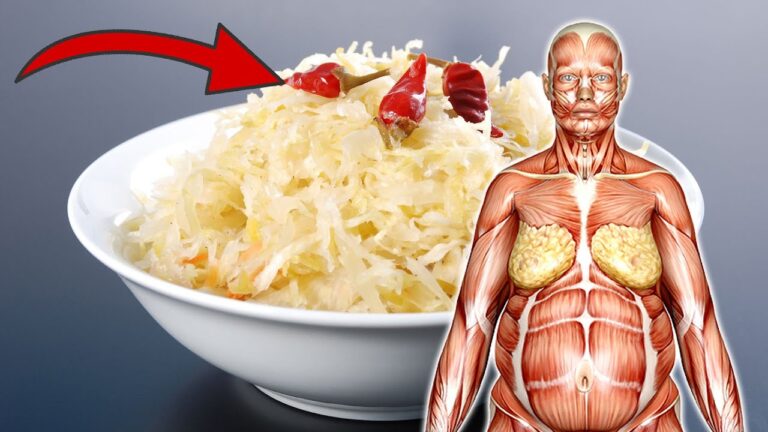
Fermented foods, while generally healthy, can also lead to gas. The bacteria that help ferment food produce gas as a byproduct, contributing to the odor.
Individual Reactions
Not everyone reacts the same way to the same foods. Some individuals may have specific intolerances or sensitivities that lead to increased gas production.
Tips for Fresher Digestion
Managing your diet is essential for minimizing unpleasant gas. Here are some practical tips to promote fresher digestion.
1. Eat Smaller Portions
Consider breaking your meals into smaller, more manageable portions. This can reduce the workload on your digestive system and decrease the likelihood of gas.
2. Introduce Foods Gradually
If you’re adding new foods to your diet, do so gradually. This allows your digestive system to adapt and may help reduce gas.
3. Stay Hydrated
Drinking plenty of water can aid in digestion and help your body break down food more effectively, reducing gas buildup.
4. Consider Natural Remedies
Incorporating natural remedies like ginger tea or peppermint can soothe your digestive system and lessen gas.
Mistakes to Avoid
As you work to improve your digestive health, steer clear of these common mistakes.
1. Skipping Meals
Skipping meals can lead to overeating later, which is harder on your digestive system and may trigger more gas.
2. Ignoring Food Labels
Not paying attention to food labels can result in unintentionally consuming gas-causing ingredients, especially in processed foods.
3. Eating Too Quickly
Eating too fast can lead to swallowing air, which contributes to gas. Take your time to savor your meals.
4. Underestimating Gut Health
Neglecting your gut health can lead to imbalances in gut bacteria, exacerbating issues with gas. Consider probiotics to help maintain a healthy gut flora.
FAQ
What foods commonly cause smelly gas? Foods like beans, cruciferous vegetables, and dairy products are known to contribute to smelly gas due to their complex structure and fermentation process.
Can I prevent gas from certain foods? Yes, by eating smaller portions, introducing foods gradually, and staying hydrated, you can minimize gas production.
Are there natural remedies for gas? Ginger and peppermint are popular natural remedies that can help soothe digestive discomfort and reduce gas.
Conclusion
By being mindful of the foods you consume and incorporating simple dietary practices, you can achieve a more comfortable digestive experience. What changes have you noticed in your digestion after adjusting your diet? Share your insights in the comments!