7 Alarming Signs of a Blood Clot You Should Never Ignore
7 Alarming Signs of a Blood Clot You Should Never Ignore
- Common Signs of Blood Clots
- Specific Symptoms to Monitor
- Potential Risk Factors for Blood Clots
- Mistakes to Avoid
- FAQ
Many people experience unpleasant sensations in their legs or other areas but may brush them off as temporary discomfort. However, recognizing serious symptoms can be crucial for your health. Blood clots can pose significant risks, and understanding the signs can lead to life-saving actions. With increasing sedentary lifestyles and certain health conditions, knowing what to look for is essential. Continue reading to ensure you’re informed and prepared.
Common Signs of Blood Clots
Early detection of blood clots can be critical. Here are some signs you should be aware of:
1. Swelling
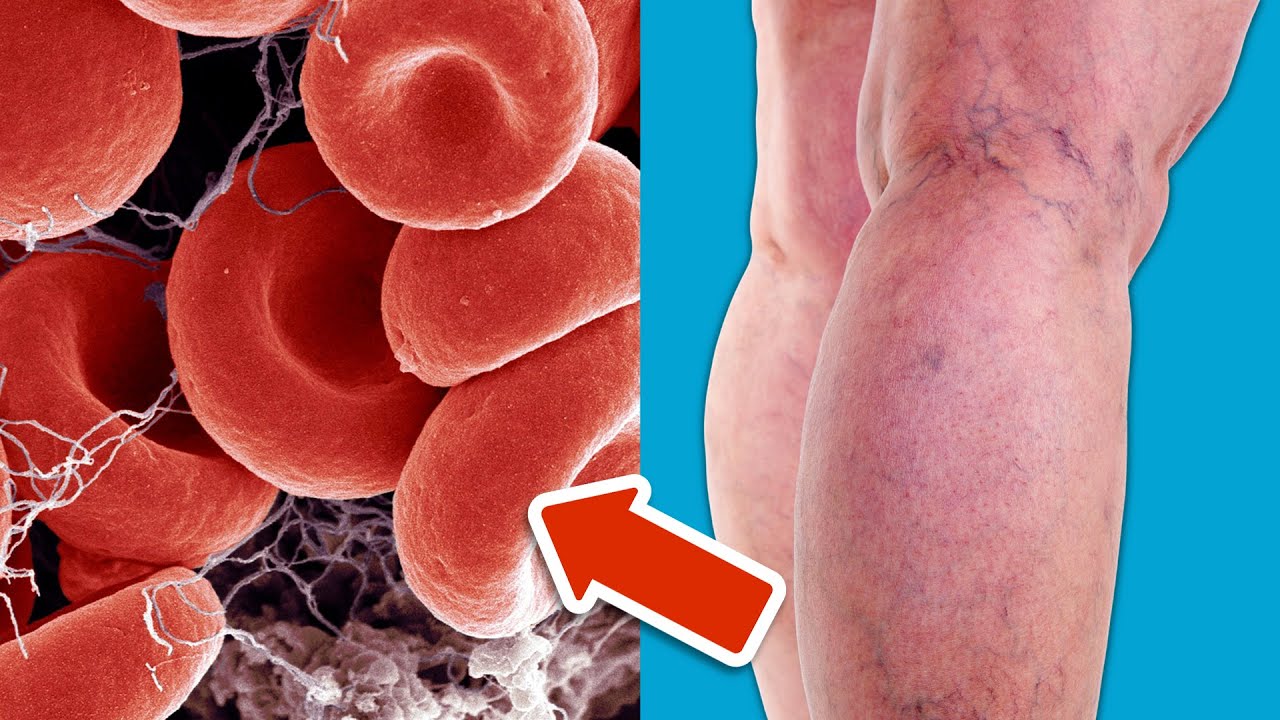
Swelling in one leg, particularly if accompanied by warmth or redness, may indicate a clot. If you notice sudden swelling, it’s important to seek medical attention.
2. Pain and Tenderness
Experiencing unexplained pain in your leg, often described as a cramp or soreness, could be a sign of a developing clot. Pay attention if the pain feels different from typical strain.
3. Skin Changes
If the skin over the affected area appears red or discolored, this might raise alarm. Skin changes often accompany other symptoms, so monitor these closely.
Specific Symptoms to Monitor
While general signs are important, specific symptoms associated with certain types of blood clots require immediate attention:
1. Chest Pain
If you experience sudden chest pain, especially if it radiates to your arm or jaw, you may be facing a pulmonary embolism, a serious condition caused by clots that travel to the lung.
2. Shortness of Breath
Acute shortness of breath without an obvious cause can indicate a serious issue. If this symptom arises alongside chest pain, seek emergency help.
3. Rapid Heart Rate
Feeling your heart racing unexpectedly may signal the presence of a clot. This is particularly true if accompanied by other concerning symptoms. Tracking your heart rate can be beneficial in these situations.
Potential Risk Factors for Blood Clots
Understanding risk factors helps you take preventive steps against blood clots. Consider these common conditions and lifestyle choices:
1. Prolonged Sitting or Immobility
Long periods of inactivity, such as during long flights or desk jobs, can increase your risk. Make it a habit to stand up and stretch or walk around periodically.
2. Hormonal Factors
Certain hormonal medications, particularly birth control, can elevate the risk of clots. Discuss with your doctor if you have concerns regarding your medication.
3. Obesity and Underlying Health Conditions
Conditions like heart disease, diabetes, and obesity significantly heighten the risk of clots. Engaging in a balanced diet and regular exercise can help mitigate these risks.
Mistakes to Avoid
Awareness is key, but so is how you respond. Here are some common mistakes when it comes to identifying blood clots:
1. Ignoring Early Symptoms
Many people dismiss early signs as minor issues. Recognizing and responding early can prevent complications.
2. Delaying Medical Attention
It can be easy to hesitate in seeking help due to fear or uncertainty. However, timely medical assistance is crucial if you suspect a clot.
3. Relying Solely on Home Remedies
While some home treatments can assist, they should never replace professional medical advice. Always consult with a healthcare provider for symptoms indicating serious conditions.
FAQ
What are the first signs of a blood clot? Common signs include swelling, pain, and skin changes such as redness in one leg.
How can I prevent blood clots? Staying active, maintaining a healthy weight, and discussing medications with your doctor can help prevent blood clots.
When should I seek medical help for symptoms? If you experience sudden pain, swelling, or breathing issues, seek medical help immediately.
Being aware of the signs, symptoms, and risk factors associated with blood clots can empower you to act quickly. Regular check-ins with your health can lead to early detection and better outcomes. What steps do you plan to take to ensure your wellbeing?