Say Goodbye to Limescale: 5 Effective Alternatives You Need to Try Now!
Say Goodbye to Limescale: 5 Effective Alternatives You Need to Try Now!
- Understanding Limescale
- Natural Alternatives to Combat Limescale
- Step-by-Step Methods for Cleaning
- Common Mistakes to Avoid
- FAQ
Understanding Limescale
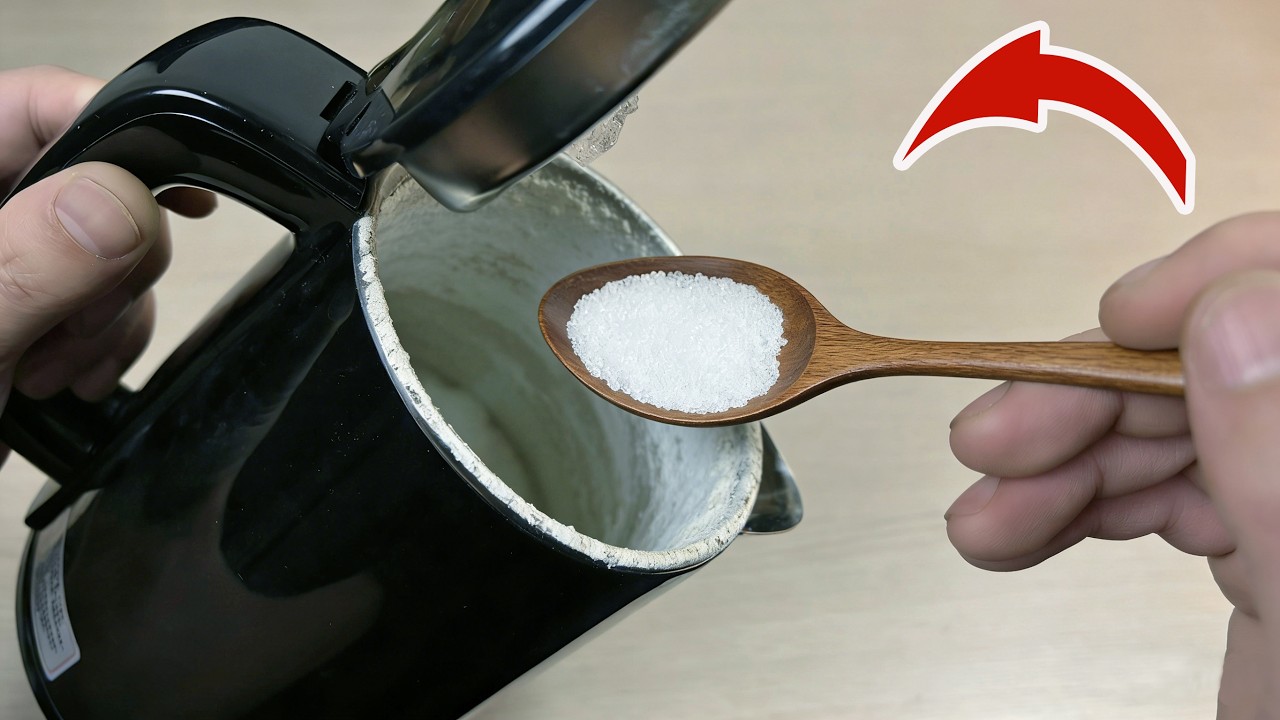
Limescale is a common issue in households, especially if you live in areas with hard water. It often appears as a chalky white residue on faucets, showerheads, and even glass shower doors. This buildup can create an unsightly look and may even affect the functionality of your fixtures. Instead of resorting to harsh chemicals, consider exploring more natural and effective options. Read on to find out how you can tackle limescale efficiently.
Natural Alternatives to Combat Limescale
There are several natural solutions that can effectively dissolve limescale without the need for harsh detergents. Here are some you may want to try:
- White vinegar: This common kitchen staple is great for breaking down mineral deposits.
- Baking soda: When mixed with vinegar, it can enhance the cleaning power against limescale.
- Citrus fruits: The acidity in lemon and lime juice works effectively in dissolving limescale.
Benefits of Using Natural Products
Using natural alternatives not only protects your health but also benefits the environment. Unlike synthetic cleaners, these natural products are biodegradable and non-toxic.
Personalizing Your Cleaning Solutions
You can easily tailor your cleaning mix based on what you have at home. Feel free to mix vinegar with essential oils for a refreshing scent!
Step-by-Step Methods for Cleaning
Follow these detailed steps to effectively remove limescale from various surfaces in your home:
1. Cleaning Faucets
- Soak: Moisten a cloth with equal parts vinegar and water.
- Wrap: Wrap the moistened cloth around the faucet and leave it for 30 minutes.
- Wipe: After soaking, gently scrub with a soft sponge to remove residue.
2. Cleaning Showerheads
- Mix: Combine one cup of vinegar with one cup of water in a plastic bag.
- Submerge: Secure the bag around the showerhead using a rubber band, ensuring it’s submerged in the solution.
- Rinse: Let it sit for an hour before removing and rinsing with water.
3. Cleaning Glass Shower Doors
- Spray: Fill a spray bottle with vinegar and spray generously on the doors.
- Wait: Allow it to sit for about 10 minutes.
- Wipe: Use a soft cloth or sponge to scrub off the limescale.
Common Mistakes to Avoid
While tackling limescale, keeping a few common mistakes in mind can enhance your cleaning efforts:
- Avoid using abrasive scrubbers that can scratch surfaces.
- Don’t mix vinegar with bleach; it creates harmful fumes.
- Don’t neglect areas that are hard to reach, as limescale can accumulate there too.
FAQ
What causes limescale buildup?
Limescale is primarily caused by hard water, which contains high levels of calcium and magnesium. When this water evaporates, it leaves deposits behind.
Can limescale be harmful?
While limescale itself isn’t harmful, it can affect plumbing fixtures and appliances by reducing water flow and efficiency.
How often should I clean for limescale?
Regular cleaning every few weeks can help prevent limescale buildup, especially in areas prone to hard water.
Conclusion
Using natural alternatives to combat limescale not only keeps your home looking great but also promotes a healthier environment. Have you tried any of these methods before? Share your thoughts in the comments below!