
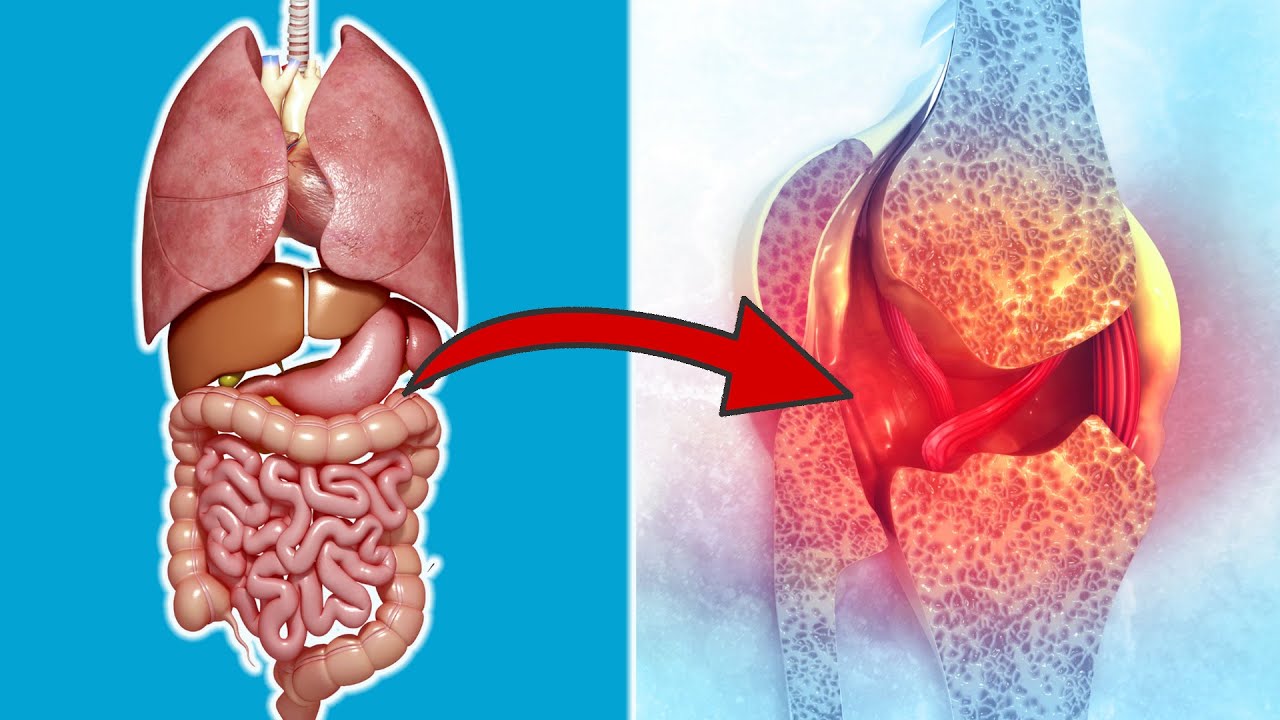
4 Signs You’re Unknowingly Sick: Discover the Shocking Truth!
4 Signs You’re Unknowingly Sick: Recognizing Subtle Symptoms
- Common Signs of Illness
- Unusual Fatigue and Weakness
- Digestive Issues You Might Overlook
- Mood Changes as Warning Signs
- Mistakes to Avoid When Noticing Symptoms
- Frequently Asked Questions
Common Signs of Illness
Many women go through their daily routines, unaware that subtle symptoms might be indicators of underlying health issues. These signs can easily be attributed to stress, fatigue, or just the hustle and bustle of daily life. However, being aware of these symptoms is essential to maintaining your overall well-being. If you’ve been experiencing any changes in your body, it might be time to pay attention. Here are some common signs that you should not ignore.
1. Persistent Thirst
If you find yourself feeling dehydrated despite drinking enough fluids, it could be a sign of an underlying condition such as diabetes. Monitor how frequently you’re reaching for water, and discuss any concerning patterns with your healthcare provider.
2. Frequent Headaches
While headaches can be caused by things like stress or dehydration, frequent or severe headaches might signal something more serious. Track your headache patterns, including their triggers, intensity, and duration to provide your doctor with useful information.
3. Changes in Sleep Patterns
Have you been experiencing insomnia or excessive sleepiness? Changes in your sleep cycle can reflect changes in your health. Keeping a sleep journal can help you identify trends and communicate them with your doctor.
Unusual Fatigue and Weakness
Feeling tired is often dismissed as a normal part of life, but when fatigue becomes unusual, it’s worth investigating. Many women experience fatigue for various reasons, but recognizing when it exceeds typical limits is crucial. Consider these factors:
Identifying Unusual Fatigue
If you are feeling exhausted even after a full night’s sleep, it may indicate more than just a busy schedule. Look for patterns in your energy levels throughout the day. Keep a journal to track your feelings and activities, and try to understand if specific activities lead to more fatigue.
Link to Emotional Health
Sometimes fatigue is closely tied to emotional health, including anxiety and depression. If you feel overwhelmed by daily tasks, consider seeking support. Evaluating your mental well-being is just as important as addressing physical symptoms.
Consulting with Medical Professionals
If fatigue persists, it may be time to consult with your healthcare provider. They can help determine if underlying conditions are at play or recommend lifestyle changes to improve your energy levels.
Digestive Issues You Might Overlook
Digestive health is often taken for granted, yet many women experience digestive problems that they brush off as normal. Understanding common digestive symptoms can be pivotal in identifying health issues early.
Common Symptoms to Watch For
- Bloating after meals can be a sign of diet-related issues or food intolerances.
- Experiencing irregular bowel movements may indicate underlying conditions such as IBS or other gastrointestinal disorders.
Keeping a Food Diary
Consider documenting your meals and any digestive symptoms. This can help identify if specific foods trigger unwanted reactions. Tracking this information can be beneficial when discussing symptoms with a healthcare provider.
Seeking Professional Help
If your digestive issues persist or worsen, consulting a professional who specializes in gastroenterology may provide the insights needed to address your concerns.
Mood Changes as Warning Signs
Sometimes our emotional states can reflect our physical health. Changes in mood—like persistent sadness, irritability, or anxiety—may signify deeper health concerns. Recognizing these signs can lead to timely intervention.
Understanding Emotional Patterns
Keep an eye on your emotions. Are there any significant changes? These could hint at underlying issues like hormonal imbalances or nutritional deficiencies. Regularly checking in with a trusted friend or keeping a mood journal can help clarify your feelings.
Actions to Consider
- Engage in activities that promote relaxation and mental well-being, like yoga or meditation.
- If feelings persist, reach out to a mental health professional for guidance.
Mistakes to Avoid When Noticing Symptoms
Recognizing signs of illness in yourself is crucial, but there are common mistakes that can hinder effective action. Avoid these pitfalls to better manage your health.
1. Ignoring Symptoms
It’s easy to brush off minor symptoms as temporary issues. However, chronic symptoms should not be ignored. Keeping track of your health can empower you to seek help when needed.
2. Self-Diagnosis
Even if you feel certain about what’s going on, self-diagnosis can lead to misunderstandings. Always consult a healthcare professional for accurate guidance.
3. Relying Solely on Home Remedies
While natural remedies can be helpful, relying solely on them without professional advice may lead to complications. A balanced approach is best.
Frequently Asked Questions
What are the early signs of illness?
Early signs can include unusual fatigue, changes in sleep patterns, digestive issues, and persistent headaches. Pay attention to your body’s signals as they can indicate health concerns.
When should I see a doctor?
Consider seeing a doctor if symptoms persist for longer than a week or disrupt your daily life. Early intervention can often lead to better outcomes.
Can stress affect my health?
Yes, chronic stress can lead to a variety of health issues, including anxiety disorders, digestive problems, and heart health complications. Managing stress is vital for overall well-being.
Conclusion
Recognizing these signs and symptoms is a crucial step toward maintaining your health. By paying attention to your body and taking action, you can address potential issues early. Have you noticed any subtle signs lately that you’ve been overlooking? Share your thoughts in the comments!