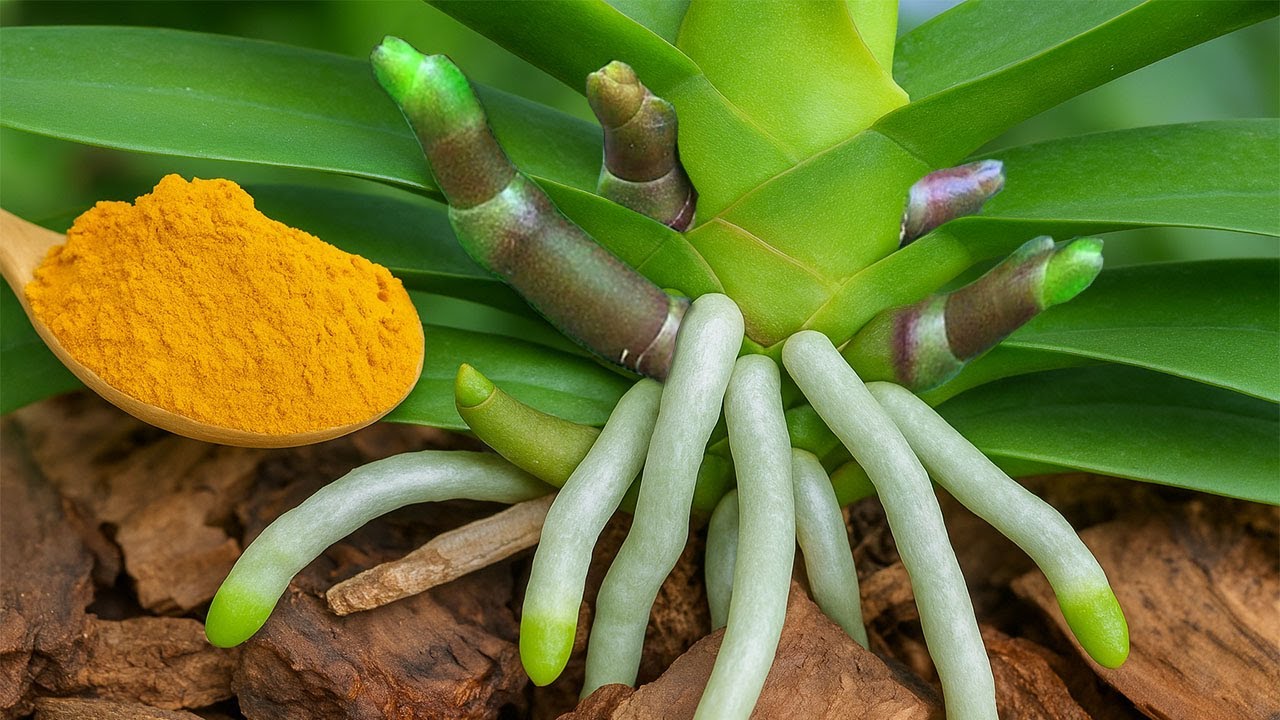
1 Spoon a Week Transforms Your Orchid: Grow Roots and Flowers All Year!
1 Spoon a Week Transforms Your Orchid: Grow Roots and Flowers All Year!
- Introduction
- Understanding Your Orchid’s Needs
- How to Water Orchids
- Common Mistakes to Avoid
- FAQ
- Conclusion
Introduction
Orchids can be one of the most breathtaking additions to your home, with their delicate flowers and unique shapes. However, you might find yourself frustrated when your orchids don’t thrive as expected. Perhaps the blooms are sparse or the roots are struggling to establish themselves. Don’t despair—it’s often a simple adjustment in care that can make all the difference. Keep reading to discover how a small but consistent change can help your orchids flourish.
Understanding Your Orchid’s Needs
To care for your orchid effectively, it’s important to understand the specific requirements of your plant. Each type of orchid has unique needs regarding light, water, and nutrients.
1. Light Requirements
Orchids typically thrive in bright, indirect light. A sunny windowsill can be ideal, but make sure to shield them from direct sunlight, which can scorch their leaves. If you notice your orchid leaning towards the light source, it might need more exposure.
2. Watering Basics
Using water wisely is crucial. Orchids prefer to dry out slightly between watering, so check the moisture level of the potting medium before adding more water. A good rule of thumb is to water once a week but adjust based on the humidity in your home.
3. Nutrient Needs
Orchids benefit significantly from the right nutrients. A balanced orchid fertilizer diluted to half strength can provide essential nutrients. Applying it during your weekly watering routine will support root growth and flowering.
How to Water Orchids
Watering your orchids correctly can be the key to healthy plants. A proper watering routine helps prevent root rot and promotes robust growth.
1. Materials You’ll Need
- Watering can or measuring cup
- Clear pot to observe root health
- Orchid fertilizer
2. Detailed Steps
- Check the potting medium for moisture. Stick your finger about an inch into the medium to assess if it feels dry.
- If it’s dry, gently remove the pot from the decorative container.
- Water the orchid until water flows out of the drainage holes at the bottom of the pot. This ensures the roots are adequately saturated.
- Return the pot to its place, ensuring it has good air circulation around it.
- Fertilize once a month during the growing season, following the fertilizer’s recommendations.
3. Practical Tips
- Use room temperature water to avoid shocking the roots.
- Be cautious of overwatering—it’s better to underwater than overwater.
- Observe your plant for signs of distress, such as yellow leaves or mushy roots.
Common Mistakes to Avoid
Many factors can hinder the growth of your orchids. Here are some common mistakes to watch out for.
1. Overwatering
Giving too much water can lead to root rot, a common issue among orchid owners. Always check soil moisture first.
2. Poor Lighting
Not providing enough light can stunt your orchid’s growth. Make sure it receives ample but indirect sunlight.
3. Neglecting to Fertilize
Your orchids need nourishment to thrive. Skipping fertilization can result in weak roots and fewer flowers.
4. Using Regular Potting Soil
Orchids thrive in a specific potting mix designed for their unique root systems. Standard potting soil can suffocate them.
5. Ignoring Pests
Regularly check for pests like aphids or mealybugs. Catching them early can save your plant from serious damage.
FAQ
How often should I water my orchid?
Typically, watering once a week is sufficient, but this can vary based on your home’s humidity and the specific type of orchid.
What type of fertilizer is best for orchids?
A balanced orchid fertilizer diluted to half strength is generally best for providing essential nutrients.
Can I use regular potting soil for orchids?
No, orchids need a specialized potting mix that allows for proper drainage and airflow to their roots.
Conclusion
By understanding your orchid’s needs and making a few simple adjustments, you can enjoy stunning blooms year-round with just one spoon of water per week. Have you tried any specific techniques that have worked for your orchids? Share your experiences in the comments!