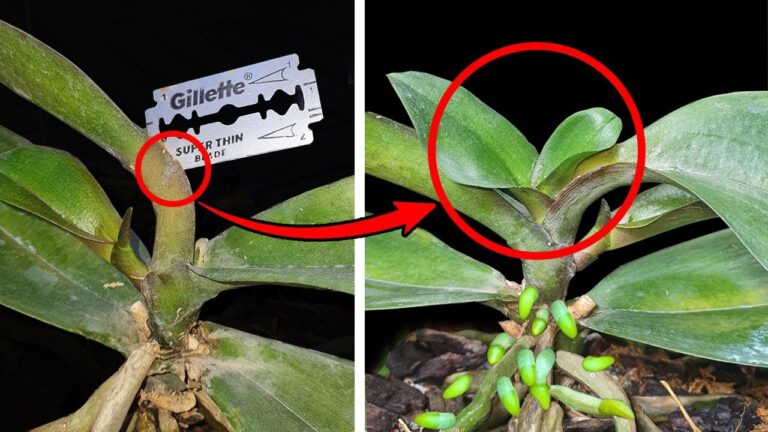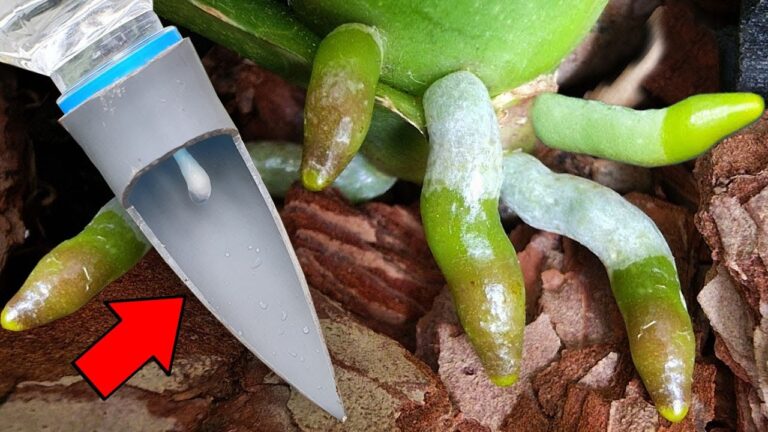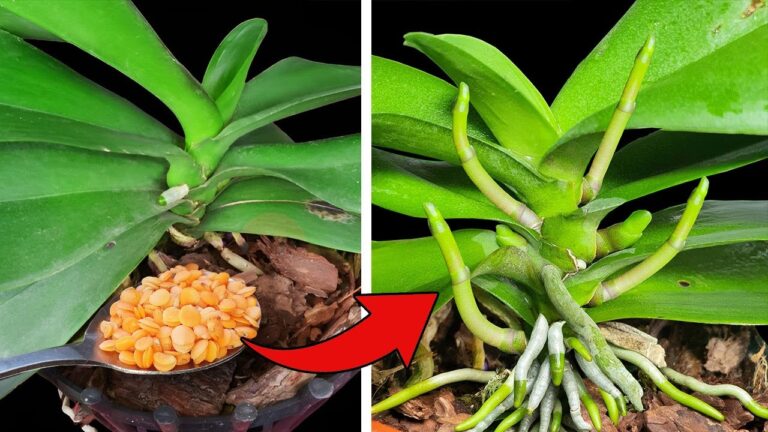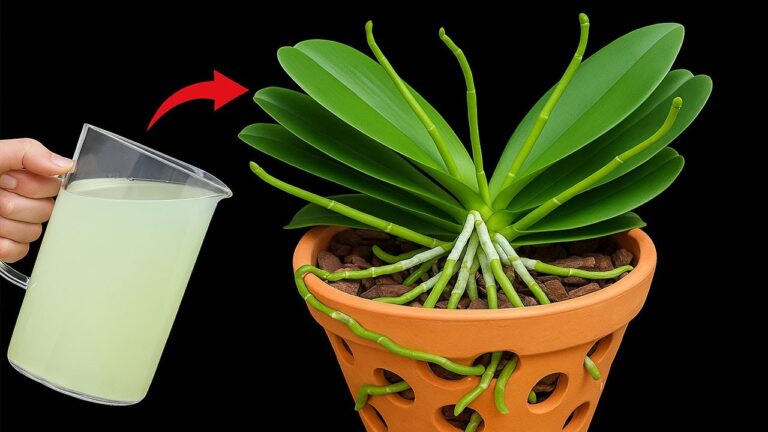
10 Magical Tips for Helping Orchid Leaves Grow Roots Instantly
10 Essential Tips for Helping Orchid Leaves Grow Roots
- Understanding Orchid Roots
- Creating the Right Environment
- Best Techniques for Encouraging Root Growth
- Common Mistakes to Avoid
- FAQ
Picture this: your beautiful orchid is thriving with lush leaves, but you notice it’s not producing roots as you’d hoped. You wonder whether there’s something you could be doing to encourage that healthy root system. It’s a common dilemma for orchid enthusiasts and can be a bit tricky to navigate. However, there are straightforward techniques and environmental adjustments you can implement to support your orchid in this journey. Let’s dive deeper to see how you can help your orchid leaves grow roots effectively.
Understanding Orchid Roots
Before we delve into root growth tips, it’s essential to understand the purpose and importance of orchid roots. Orchid roots serve several functions, including nutrient intake, anchoring the plant, and moisture absorption. Knowing this can guide you in creating the best conditions for your orchid.
Why Roots Matter
Healthy roots are vital for your orchid’s overall health. They help the plant absorb water and nutrients, allowing it to flourish. A well-developed root system also makes your orchid more resilient to environmental changes.
Root Structure
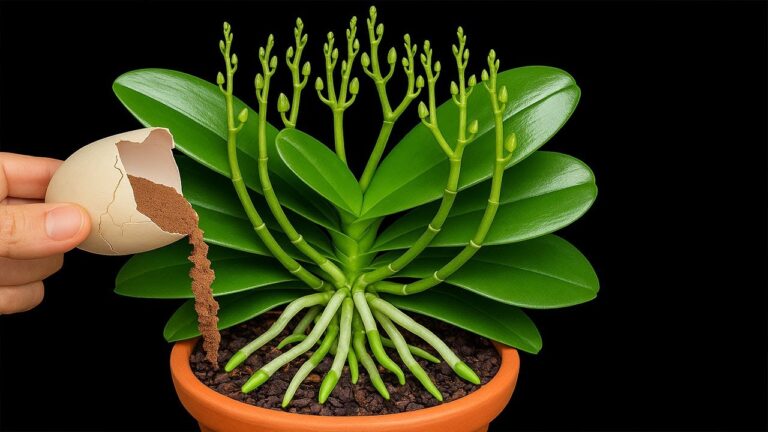
Orchid roots have a unique structure consisting of a velamen layer, which is a spongy, porous tissue that helps in water absorption while preventing rot. Understanding this can aid in selecting the right care methods.
Creating the Right Environment
Orchids thrive in specific environmental conditions. Ensuring your orchid is in the right environment can significantly affect root growth.
Light and Shadow
Most orchids prefer bright, indirect sunlight. Too much direct sunlight can scorch their leaves, while too little light can inhibit root growth. Placing your orchid in a spot where it receives filtered light can promote healthy development.
Temperature and Humidity
Orchids thrive in temperatures between 65°F and 75°F during the day and slightly cooler at night. Additionally, maintaining humidity levels around 50-70% will help create an optimal environment for root growth. Using a humidity tray or a humidifier can assist in achieving this.
Best Techniques for Encouraging Root Growth
Now that you understand the environmental factors, let’s explore some practical methods to support your orchid leaves in developing robust roots.
1. Use the Right Potting Medium
- Select an orchid-specific potting mix, which typically consists of bark, moss, or coir.
- Ensure the medium provides excellent drainage while retaining some moisture.
2. Watering Techniques
Water your orchid only when the potting medium feels dry to the touch. Overwatering can lead to root rot, while underwatering can cause desiccation. A good rule of thumb is to water once every week or two, depending on the humidity in your home.
3. Fertilizing Wisely
- Use a balanced orchid fertilizer, diluting it to half-strength.
- Fertilize during the growing season, typically spring and summer, and reduce feeding during the dormant months.
4. Propagation Techniques
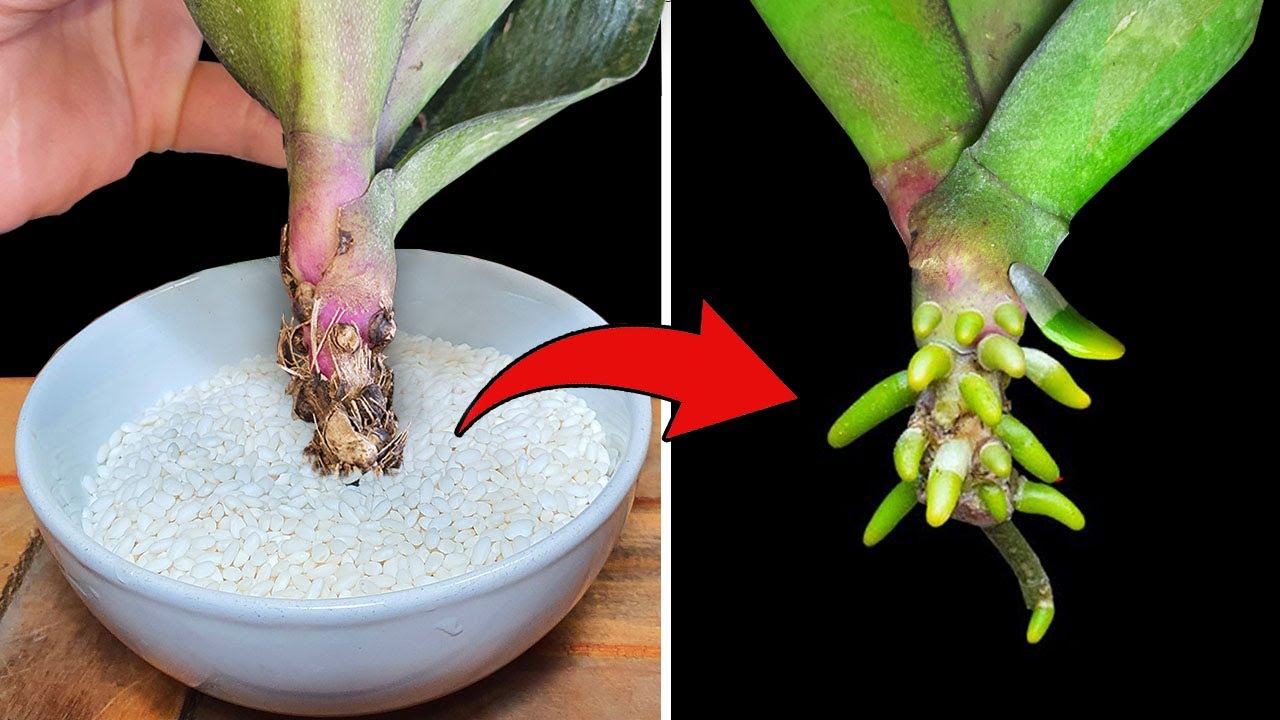
If your orchid is mature enough, consider propagating it. Dividing the plant can prompt new root growth and rejuvenate the existing plant. Be careful to do this during the growing season for the best results.
Common Mistakes to Avoid
When caring for orchids, some simple missteps can hinder root growth. Here are a few common pitfalls to steer clear of:
- Overwatering: This is one of the most frequent causes of root rot. Always check the potting medium before watering.
- Ignoring Light Needs: Ensure your orchid is not in direct sunlight, as this can damage the leaves.
- Using Garden Soil: Traditional garden soil retains too much moisture and lacks the aeration orchids require.
FAQ
1. How can I tell if my orchid roots are healthy? Healthy roots are typically firm, green, and plump. If they appear brown or mushy, they might be suffering from rot.
2. Can I use tap water for my orchids? It is best to use distilled or rainwater, as tap water can contain chemicals that may harm your orchids.
3. Should I repot my orchid for better root growth? Yes, if your orchid’s roots are crowded or if the potting medium decomposes, repotting can encourage healthier growth.
In summary, creating the right conditions and avoiding common pitfalls are crucial to helping your orchid leaves grow roots. Have you tried any of these tips with your orchids? Share your experiences in the comments below.