3 Rice Cooker Cleaning Hacks to Lower Your Electricity Bills Now!
3 Essential Rice Cooker Cleaning Hacks to Lower Your Electricity Bills
- Overview of Cleaning Hacks
- Understanding Environmental Impact
- Practical Cleaning Tips
- Common Mistakes to Avoid
- FAQ
Overview of Cleaning Hacks
Many of us rely on our rice cookers for convenient meals, but over time, they can build up grime and residue that affects their efficiency. If you’ve ever noticed your rice cooker struggling or your electricity bills rising, it might be due to neglecting its maintenance. A dirty rice cooker not only affects your cooking but can also lead to higher energy consumption. Explore these cleaning hacks to help you maintain your appliance and potentially lower those electricity bills.
Understanding Environmental Impact
Cleaning your rice cooker isn’t just about aesthetics; it has a significant impact on its performance and energy efficiency. A clean cooker ensures even heat distribution, which can help in reducing cooking times and energy use. The following sections will provide practical steps you can take to keep your rice cooker in optimal condition.
Practical Cleaning Tips
Keeping your rice cooker clean can be straightforward. Here are some effective hacks to help you maintain its performance:
1. Use Vinegar and Baking Soda
- Combine 1 cup of water with 1 cup of vinegar and pour it into your rice cooker.
- Add 1/2 cup of baking soda to the mixture. The reaction will help lift grime and stains.
- Run the rice cooker on a normal cooking cycle, then let the mixture cool before wiping down the interior.
2. Regular Wipe Down
After each use, it’s beneficial to give your rice cooker a quick wipe. Here’s how:
- Use a damp cloth or sponge to wipe the inside and outside surfaces.
- Pay special attention to the lid and steam vent, which can accumulate residue and odors.
- Dry everything thoroughly to prevent moisture buildup, which may lead to mold.
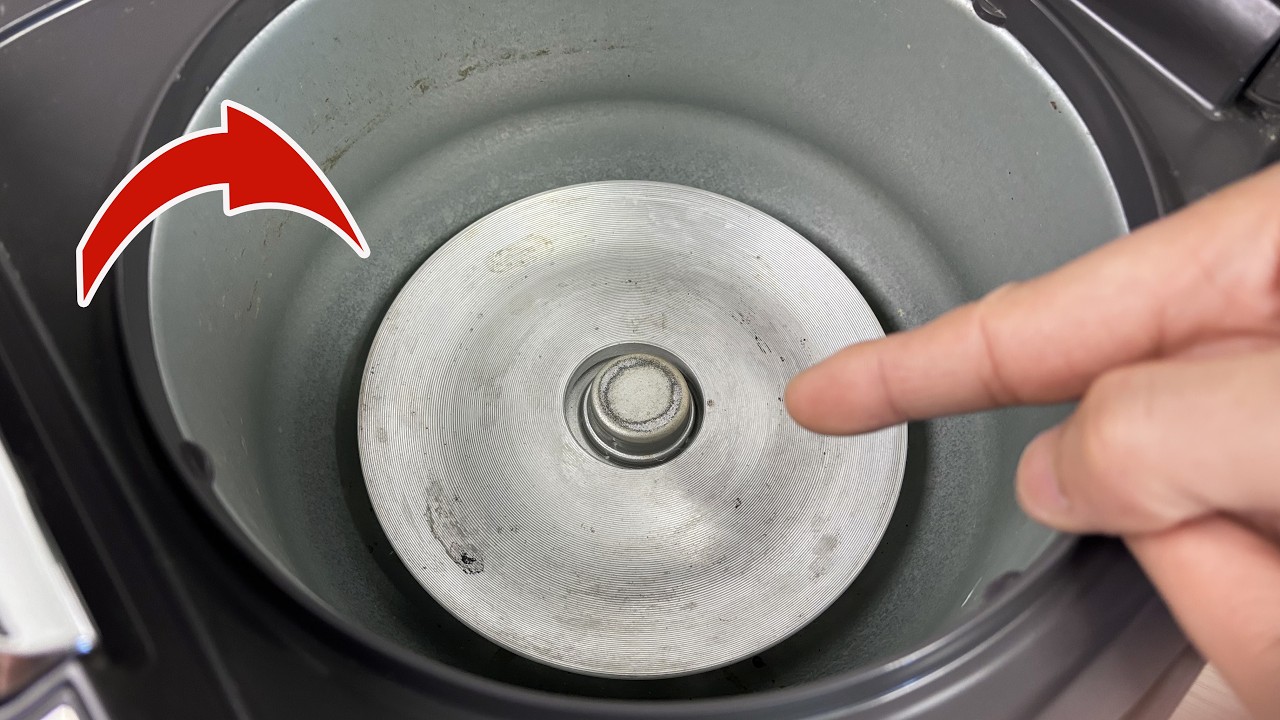
3. Clean the Heating Element
The heating element at the bottom can collect rice particles and grease. To clean it:
- Unplug the cooker and allow it to cool completely.
- Use a soft brush or cloth to gently scrub the heating element. Avoid abrasive tools that can scratch the surface.
- Reassemble your rice cooker once everything is clean and dry.
Common Mistakes to Avoid
While cleaning your rice cooker is simple, some common missteps can actually worsen the problem. Here are mistakes to steer clear of:
- Not allowing the cooker to cool down before cleaning can lead to burns and damage.
- Using harsh chemicals can negatively affect the non-stick coating and overall appliance integrity.
- Neglecting the steam vent may cause blockages, affecting efficiency and increasing energy use.
- Leaving food residue in the cooker can lead to mold growth and unpleasant odors.
- Not regularly cleaning the rice cooker can lead to buildup, making subsequent cleanings more difficult.
FAQ
How often should I clean my rice cooker?
It’s beneficial to clean your rice cooker after every use for optimal performance and hygiene.
Can I use soap to clean my rice cooker?
Yes, but ensure to rinse it thoroughly to remove any soap residue that can affect the taste of your food.
What other natural cleaners can I use?
Besides vinegar and baking soda, lemon juice can be a good alternative for cleaning due to its natural antibacterial properties.
Conclusion
Regularly maintaining your rice cooker can not only enhance its functionality but also help reduce electricity bills. Using natural cleaning solutions simplifies the process while ensuring your cooker remains in excellent condition. What are your favorite rice cooker cleaning techniques? Share in the comments below!