4 Signs Your Liver Needs Help Now – Don’t Ignore These
4 Signs Your Liver Needs Help Now
- Introduction
- Understanding Liver Health
- Common Signs of Liver Distress
- What to Do If You Have These Signs
- Mistakes to Avoid
- FAQ
Introduction
Many people tend to overlook their liver health until serious issues arise. You might experience fatigue, unexplained weight gain, or other persistent symptoms without realizing your liver is struggling. Ignoring these signs can have significant consequences. Understanding the early indicators of liver distress is essential for maintaining your overall well-being. Let’s dive deeper into how to recognize when your liver needs some extra care.
Understanding Liver Health
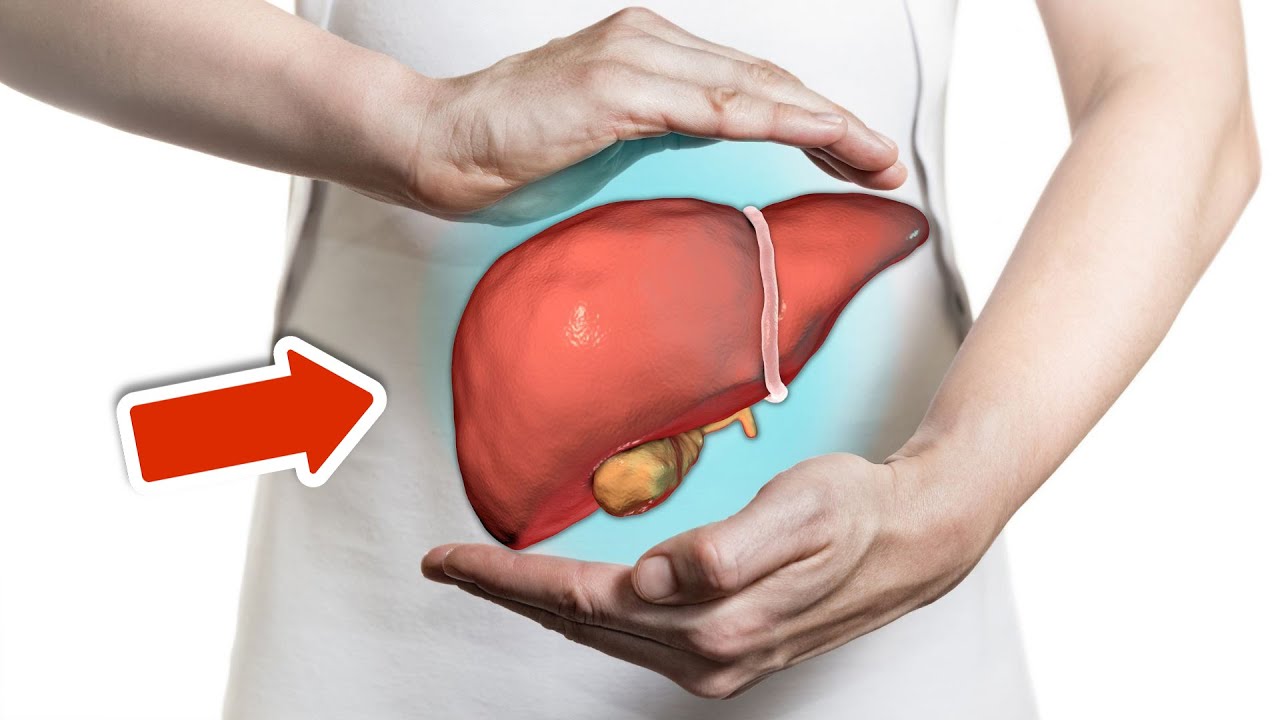
Your liver plays a crucial role in detoxification, digestion, and metabolism. It’s important to understand what a healthy liver does and how you can support it. Here are some key functions:
- Filtering toxins from your blood.
- Producing bile to aid in digestion and fat absorption.
- Storing vitamins and nutrients.
- Regulating blood sugar levels.
Maintaining healthy liver function is vital, as a compromised liver can affect various aspects of your health. However, what should you be on the lookout for?
Common Signs of Liver Distress
There are several signs that may indicate your liver needs help. Recognizing these symptoms early can be crucial for taking appropriate action.
1. Unexplained Fatigue
One of the first signs of liver distress is unexplained fatigue. If you find yourself constantly tired despite enough sleep, it may be time to consider your liver health.
2. Digestive Issues
Another noticeable sign is experiencing frequent digestive issues, such as nausea or changes in stool color. This could indicate that your liver is struggling to produce bile effectively.
3. Skin Changes
Pay attention to your skin’s appearance. Signs such as yellowing of the skin or eyes, known as jaundice, can signal a problem with liver function.
4. Abdominal Discomfort
If you experience abdominal discomfort or swelling, particularly on the right side, this could suggest liver enlargement or inflammation. It’s essential to monitor these symptoms closely.
What to Do If You Have These Signs
If you notice any of these signs, it’s crucial to take action. Here are some steps you can consider:
1. Consult a Healthcare Professional
The first step is to schedule a consultation with your healthcare provider. They can perform tests to assess your liver function and provide guidance tailored to your situation.
2. Improve Your Diet
Focus on a diet rich in whole foods, such as fruits, vegetables, and whole grains. Foods like leafy greens, citrus fruits, and beets are particularly beneficial for liver health.
3. Stay Hydrated
Drinking adequate water is vital in helping your liver detoxify effectively. Aim for at least 8 glasses of water a day to support liver function.
4. Limit Toxins
Be mindful of the toxins you expose yourself to, including alcohol and processed foods. Reducing or eliminating these from your diet can significantly benefit your liver.
Mistakes to Avoid
When you become aware of liver health, avoiding certain mistakes is crucial. Here are some common pitfalls:
- Ignoring symptoms instead of seeking advice from a professional.
- Over-relying on supplements without dietary modifications.
- Self-diagnosing without proper medical evaluation.
- Neglecting hydration and healthy eating habits.
- Excessively consuming alcohol or processed foods.
FAQ
What are the early signs of liver problems?
Early signs include fatigue, digestive issues, yellowing skin, and abdominal discomfort. It’s important to monitor any persistent symptoms.
Can diet affect liver health?
Yes, a healthy diet can significantly improve liver function. Focus on whole foods, fruits, and vegetables while avoiding processed foods and excessive alcohol.
What should I do if I’m worried about my liver?
If you’re concerned about your liver health, consult a healthcare professional for assessment and tailored recommendations.
Conclusion
Recognizing the signs your liver needs help is essential for maintaining your overall health. Early intervention can lead to improved well-being and longevity. What steps will you take to prioritize your liver health in the future?