4 Stress Symptoms You Must Never Ignore for Your Well-Being 💥 Discover Now!
4 Stress Symptoms You Must Never Ignore for Your Well-Being
- Understanding Stress
- Common Symptoms of Stress
- Long-Term Consequences of Untreated Stress
- Mistakes to Avoid When Managing Stress
- Frequently Asked Questions
Have you ever felt a tightness in your chest or an overwhelming sense of worry when facing daily tasks? Many people experience stress without even realizing it, often brushing off their symptoms as temporary discomfort. However, certain signs can indicate that stress has taken a significant toll on your well-being. Recognizing these symptoms early can prevent further complications. Let’s explore some of these indicators together and how to effectively navigate them.
Understanding Stress
Stress can manifest in various forms, impacting both our physical and mental health. It’s essential to identify what stress looks like for you and how it affects your daily life.
What is Stress?
Stress is the body’s response to challenging or threatening situations. It can be triggered by a variety of factors, including work pressures, personal relationships, or significant life changes. Understanding the root causes of your stress is crucial for finding effective coping strategies.
The Body’s Response to Stress
When faced with stress, your body releases hormones like cortisol and adrenaline. While these hormones can be beneficial in small doses, chronic stress can lead to serious health issues if left unmanaged. Learning to recognize how your body responds to stress is pivotal.
Common Symptoms of Stress
Recognizing the symptoms of stress is the first step toward addressing it. Here are four key symptoms to look out for:
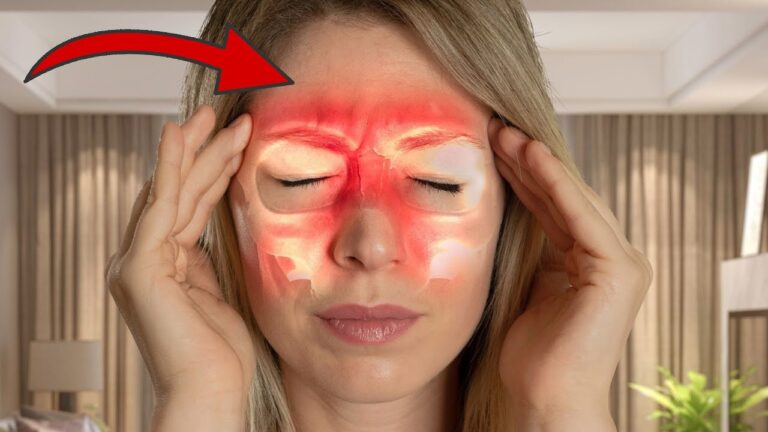
- Physical Tension: Pay attention to tension in your muscles, particularly in the neck, shoulders, or back. Regular stretching and relaxation techniques can aid in alleviating this discomfort.
- Emotional Disturbance: Feelings of anxiety, irritability, or sadness may indicate underlying stress. Mindfulness practices, like meditation or breathing exercises, can help ground you.
- Sleep Disruptions: Stress can lead to difficulties in falling or staying asleep. Establishing a calming bedtime routine can improve your sleep quality.
- Changes in Appetite: Some may experience a loss of appetite, while others may find comfort in food. Keeping a food journal can help you identify patterns related to your stress levels.
Identifying Your Symptoms
Take a moment to reflect on your current state. Are you experiencing any of the symptoms mentioned? Writing down your feelings can help you better understand your stress triggers.
Long-Term Consequences of Untreated Stress
If not addressed, stress can lead to serious health complications. Understanding these consequences can motivate you to take action.
Physical Health Risks
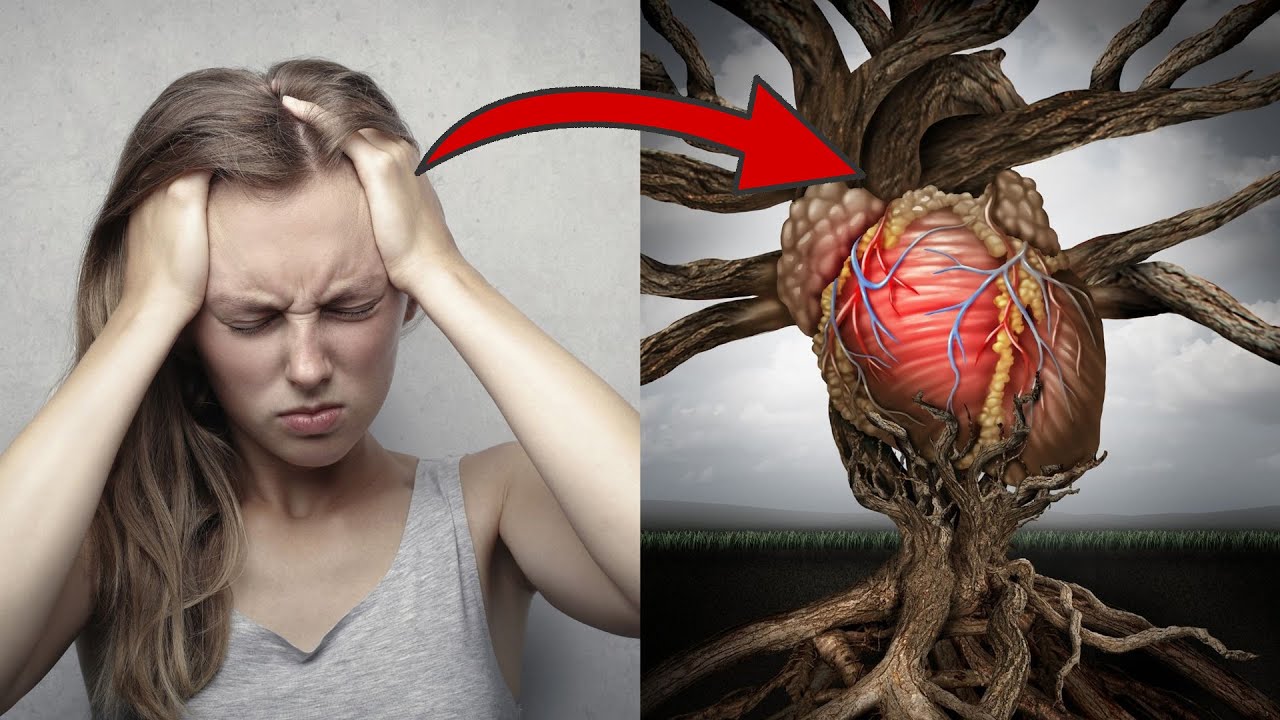
Chronic stress has been linked to heart disease, diabetes, and other significant health issues. Engaging in regular physical activity and maintaining a healthy diet are vital for mitigating these risks.
Mental Health Impact
Long-term stress can contribute to anxiety disorders and depression. Seeking professional help or community support can be beneficial for your mental well-being.
Mistakes to Avoid When Managing Stress
Managing stress effectively is essential for your health. Here are some common mistakes to avoid:
- Ignoring Symptoms: Dismissing your feelings can lead to greater issues. Acknowledging stress is the first step toward healing.
- Avoiding Healthy Coping Mechanisms: Resorting to unhealthy habits, like excessive drinking or unhealthy eating, can worsen your stress levels.
- Neglecting Self-Care: Skipping on self-care practices, like regular exercise or relaxation breaks, can lead to burnout.
Finding What Works for You
Experiment with different stress-relief techniques to find what resonates with you. Whether it’s yoga, reading, or spending time in nature, prioritize your self-care.
Frequently Asked Questions
What are the first signs of stress? The initial signs of stress often manifest as physical tension, emotional disturbances, and changes in your sleeping or eating habits.
How can I relieve stress quickly? Techniques such as deep breathing, taking a short walk, or listening to calming music can provide immediate relief.
When should I seek help for stress? If stress begins to interfere with your daily life or leads to severe symptoms, it’s wise to seek assistance from a healthcare professional.
Recognizing and addressing stress symptoms is essential for maintaining your well-being. By understanding the signs and implementing effective strategies, you can foster a healthier lifestyle. What methods do you use to manage stress in your life? Feel free to share your thoughts in the comments.