5 Common Signs of Urinary Tract Infections and What They Mean for Your Health
5 Common Signs of Urinary Tract Infections and What They Mean for Your Health
Many women experience discomfort when it comes to their health, and one common issue is a urinary tract infection (UTI). You might notice a burning sensation during urination or perhaps an urgent need to go even when your bladder isn’t full. These are often just a few of the signs that your body may be trying to tell you something important. Understanding these symptoms can help you take control of your health and seek the necessary care. Keep reading to discover more about the common signs associated with UTIs and what they mean for your well-being.
Understanding Symptoms
When it comes to urinary tract infections, recognizing the symptoms is crucial for timely intervention. UTIs can cause discomfort, and knowing the signs can help you respond appropriately.
1. Overview of Urinary Tract Infections
UTIs occur when harmful bacteria enter the urinary system and multiply. They are quite common and can affect any part of the urinary tract, which includes the bladder, urethra, kidneys, and ureters. Women are more prone to these infections due to their anatomy.
2. Importance of Early Detection
Detecting a UTI early can prevent further complications. If left untreated, a UTI can lead to more severe health issues, including kidney infections. Being aware of what to look for can make a significant difference.
Common Signs of UTIs
Identifying the common signs of a UTI early may lead to quicker relief and recovery. Here are several symptoms to watch for:
1. Painful Urination
One of the first noticeable symptoms is a painful or burning sensation while urinating. This discomfort can range from mild to quite intense.
2. Frequent Urge to Urinate
Feeling the need to urinate frequently, even when your bladder isn’t full, is another clear sign. This constant urge can be both inconvenient and uncomfortable.
3. Cloudy or Strong-Smelling Urine
Changes in the appearance or odor of your urine can be telling. If your urine looks cloudy or has a strong, unusual smell, it may indicate an infection.
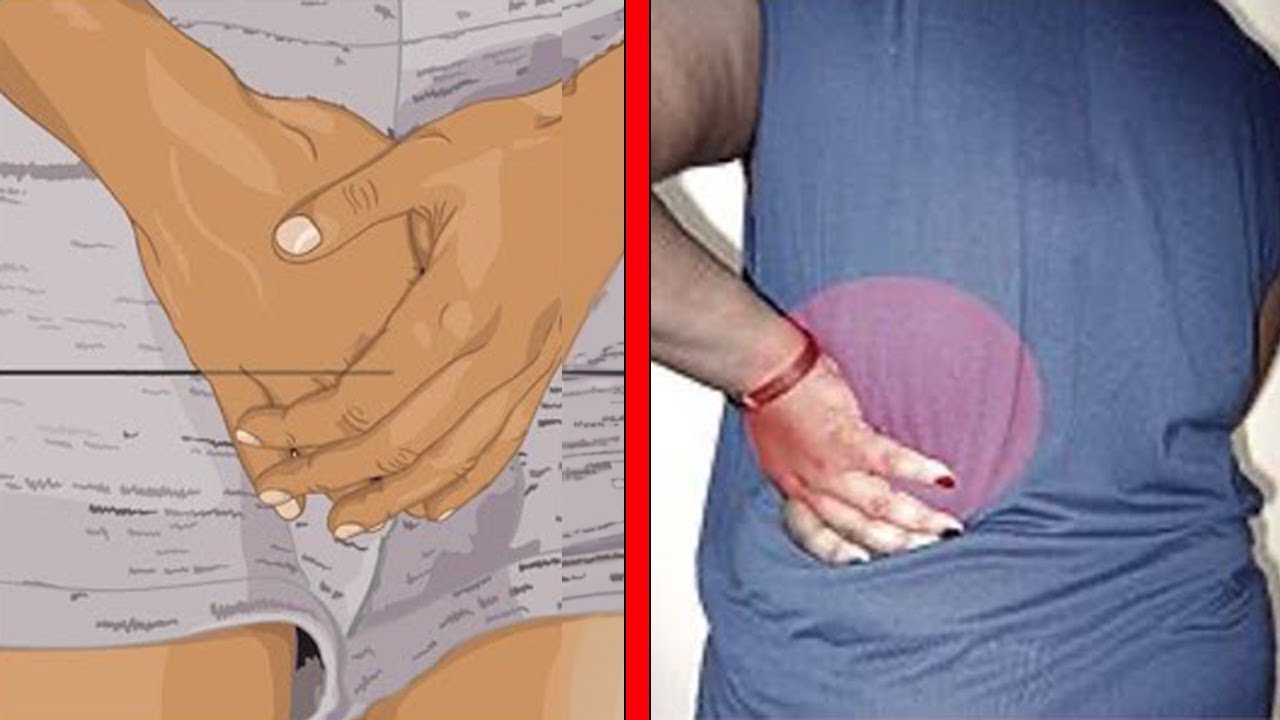
4. Lower Abdominal Pain
Experiencing pressure or pain in your lower abdomen is another symptom. This discomfort is often a result of inflammation in the bladder
or surrounding areas.
5. Fever or Chills
In more severe cases, you might experience fever, chills, or even nausea. These symptoms may signal that the infection has spread beyond the bladder and requires immediate medical attention.
Causes and Risk Factors
Understanding the causes and risk factors for developing a UTI can help you take preventative steps. Here are a few elements that contribute to the risk:
1. Women’s Anatomy
Women have a shorter urethra, which allows bacteria quicker access to the bladder. Additionally, hormonal changes can affect the urinary tract’s defenses.
2. Sexual Activity
Sexual intercourse can introduce bacteria into the urinary tract. After sexual activity, it’s advisable to urinate, as this can help flush out potential bacteria.
3. Personal Hygiene
Improper personal hygiene can exacerbate the risk of UTIs. It’s essential to wipe from front to back to avoid transferring bacteria from the rectal area to the urethra.
Mistakes to Avoid
Recognizing common mistakes when dealing with UTIs can help you manage your health more effectively. Here are a few pitfalls to avoid:
1. Delaying Medical Attention
Ignoring symptoms can lead to complications. If you suspect a UTI, it’s vital to consult a healthcare provider as soon as possible.
2. Self-Medicating
Self-treating with over-the-counter medications may not resolve the issue. Proper diagnosis from a professional is essential for effective treatment.
3. Inadequate Water Intake
Failing to drink enough water can hinder your recovery. Staying hydrated helps flush out bacteria from your urinary system.
FAQ
What causes urinary tract infections?
UTIs are primarily caused by bacteria entering the urinary tract, often from the skin or rectal area. Factors like sexual activity, inadequate hygiene, or anatomical differences in women contribute to this.
How can I prevent urinary tract infections?
To avoid UTIs, maintain good personal hygiene, stay hydrated, and urinate after sex. Wearing breathable cotton underwear can also help.
When should I see a doctor for a UTI?
If you experience severe symptoms, such as fever, chills, or pain that doesn’t subside, it’s important to seek medical attention immediately.
Conclusion
Recognizing the signs of urinary tract infections can empower you to take control of your health. Prompt recognition and action can lead to quicker relief and a healthier outcome. What strategies have you used to manage your health effectively? Share your experiences in the comments below!