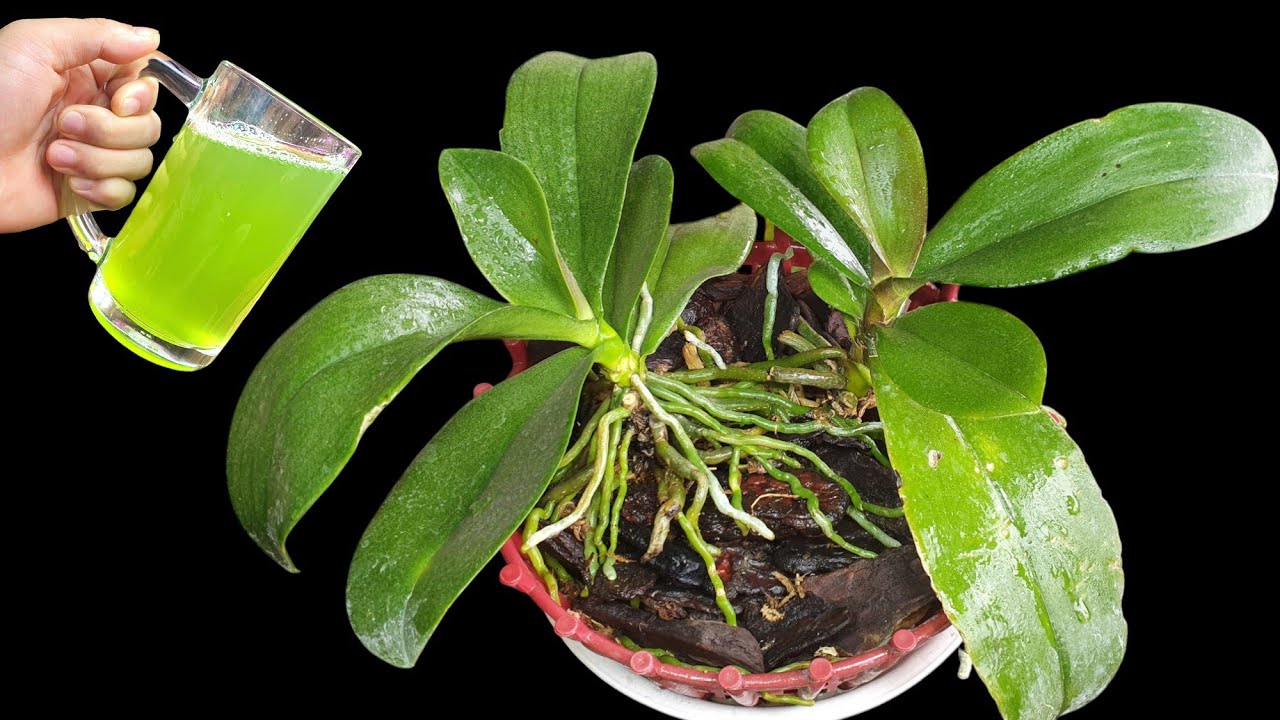
5 Essential Tips for Orchid Care: Boost Growth After Flowers Fall
5 Essential Tips for Orchid Care: Boost Growth After Flowers Fall
- Understanding Orchid Growth
- Water and Nutrient Needs
- Ideal Environment for Orchids
- Common Mistakes to Avoid
- Frequently Asked Questions
Understanding Orchid Growth
Many plant enthusiasts find themselves in a puzzling situation when their beautiful orchids finish blooming. The vibrant flowers fade, leaving behind bare stems and leaves that may appear lackluster. This can be disheartening, but understanding how orchids grow and thrive after blooming is crucial. Instead of losing hope, it’s time to nurture these elegant plants back to health. This guide will help you optimize your orchid care and ensure they flourish once again.
Lifecycle of an Orchid
Orchids have unique growth cycles that involve periods of dormancy and active growth. After flowering, your orchid may enter a resting phase, so it’s essential to know what to expect during this time:
- Assess the health of your orchid by checking leaves and roots.
- Identify whether the plant is ready for new growth based on environmental conditions.
- Adjust care routines based on the orchid’s needs during this phase.
Types of Orchids to Consider
Different types of orchids may have varying needs. Some common varieties include:
- Phalaenopsis: Known for their large, showy flowers.
- Oncidium: Recognized for their small and cluster-like blooms.
- Cattleya: Valued for their fragrant flowers.
Water and Nutrient Needs
After blooms fall, the care routine for orchids may change, with a focus on proper watering and feeding. Here’s how to keep your orchids hydrated and nourished:
Watering Guide
Over or under-watering can stress your orchids. Follow these simple steps for optimal watering:
- Check the potting medium for dryness. If it’s dry to the touch, it’s time to water.
- Water thoroughly, allowing excess water to drain out of the pot.
- Avoid letting orchids sit in water to prevent root rot.
Nutrient Requirements
Feeding your orchids correctly is vital for their recovery:
- Balance your fertilizer: Use a balanced orchid fertilizer during the growing season.
- Reduce feeding in the resting phase to avoid overfertilizing.
- Frequency: Fertilize every 2-4 weeks, depending on growth and season.
Ideal Environment for Orchids
The environment plays a significant role in orchid health post-bloom. Creating the right conditions can help your orchids thrive:
Temperature and Humidity
Orchids thrive in specific temperature ranges:
- Daytime: Maintain temperatures between 65°F and 75°F (18°C to 24°C).
- Nighttime: Aim for 60°F to 65°F (15°C to 18°C) to encourage new growth.
Humidity is equally important; aim for around 50-70% humidity levels for optimal growth.
Lighting Conditions
Your orchids also have lighting preferences:
- Indirect light: Position your orchids near a window with filtered light.
- Avoid: Direct sunlight, as it can scorch leaves.
Common Mistakes to Avoid
Before diving into orchid care, it’s essential to be aware of common pitfalls. Here are the mistakes you should be cautious of:
Mistakes to Watch Out For
- Overwatering: This is the most prevalent mistake; ensure proper drainage.
- Ignoring humidity: Dry air can stress orchids; consider using a humidity tray.
- Neglecting the right fertilizer: using non-orchid fertilizer can hinder growth.
- Too much light: Be mindful of lighting conditions to avoid leaf burn.
- Repotting too soon: Allow your orchid to stabilize before repotting after flowering.
Frequently Asked Questions
How often should I water my orchid after blooming?
Watering frequency varies but generally, water when the potting medium feels dry. Check weekly, adjusting based on environmental conditions.
When should I fertilize my orchid after flowers fall?
Start fertilizing every 2-4 weeks once you see new growth, using an orchid-specific fertilizer for best results.
What can I do if my orchid is not growing after blooming?
If your orchid seems to be stalling, review light, water, and humidity conditions, and ensure it’s not suffering from root rot.
Conclusion
Nurturing your orchids after their bloom can lead to healthy growth and beautiful flowers in the future. By paying attention to their water, nutrients, and environment, you’ll create the ideal conditions for flourishing orchids. What experiences do you have with orchid care? Share your thoughts in the comments!