
5 Surprising Signs Too Much Sleep Is Bad for You! Discover the Truth Now
5 Surprising Signs Too Much Sleep Is Bad for You
- Too Much Sleep
- Common Issues with Oversleeping
- Possible Consequences of Excessive Sleep
- Mistakes to Avoid
- FAQ
Have you ever woken up feeling groggy after a long night’s sleep? It’s a frustrating experience that many face, often leading to questions about sleep quality and overall health. While sleep is essential, more isn’t always better. You might be surprised to learn that too much sleep can have unexpected effects on your body and mind. Understanding these signs can help you find a balance that works for you.
Too Much Sleep
In today’s fast-paced world, we often romanticize the idea of getting more shut-eye, believing it’s key to success and well-being. However, research shows that oversleeping may also be a symptom of underlying issues. Here are some key points to consider.
Identifying Oversleeping
While sleep needs vary, consistently exceeding 9 hours a day can be a red flag. If you notice that bouts of longer sleep are regular, it’s worth evaluating the reasons behind it.
Effects on Your Mood
Oversleeping can lead to feelings of lethargy and even sadness. A poor sleep cycle can disrupt your mood and mental health, leaving you feeling more fatigued than rejuvenated.
Common Issues with Oversleeping
Many people are unaware of the various issues that too much sleep can cause. These include:
Weight Gain
Research indicates a link between excessive sleep and weight gain. When you’re inactive for long periods, your body tends to burn fewer calories, which can result in unwanted weight accumulation.
Increased Inflammation
Studies suggest that too much sleep may contribute to heightened inflammation, which can lead to chronic health issues. This is due to sleep’s role in regulating your immune system.
Possible Consequences of Excessive Sleep
Understanding the consequences of excessive sleep can help you prioritize a healthier lifestyle. Here are some potential outcomes to be aware of:
Cardiovascular Problems
People who oversleep may be at a higher risk of developing cardiovascular diseases. Frequent long sleep sessions can elevate blood pressure and lead to other heart-related conditions.
Impacts on Cognitive Function
Excessive sleep can impair cognitive function over time. You might find that you’re less alert and focused, which can affect your daily productivity and overall performance.
Mistakes to Avoid
To foster better sleep habits and overall health, consider these common pitfalls:
- Relying on sleep to recover from fatigue: Instead, aim for balanced rest and activity throughout the day.
- Ignoring bedtime routine: Establish a consistent schedule that prioritizes quality over quantity.
- Not addressing underlying issues: If you’re feeling excessively tired, consult with a healthcare professional to understand potential causes.
FAQ
What is considered too much sleep?
Typically, sleeping more than 9 hours per night on a regular basis is seen as excessive for adults.
Can oversleeping cause headaches?
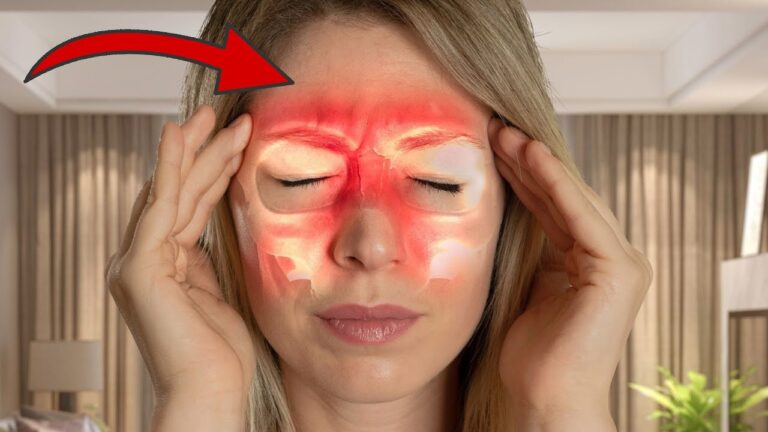
Yes, oversleeping can contribute to headaches due to changes in neurotransmitter levels and disruptions in sleep patterns.
What should I do if I’m oversleeping?
Consider adjusting your sleep schedule and incorporating more activity during the day to help regulate your sleep patterns.
Finding the right sleep balance is key to maintaining both physical and mental well-being. If you’ve noticed any signs of oversleeping, it might be time to reassess your habits. What strategies have you found helpful in maintaining a healthy sleep routine?