5 Unusual Signs of Iron Deficiency You Should Never Ignore! Discover Them Now!
5 Unusual Signs of Iron Deficiency You Should Never Ignore
- Common Signs of Iron Deficiency
- Lesser-Known Signs of Iron Deficiency
- Causes and Solutions
- Mistakes to Avoid
- FAQ
Common Signs of Iron Deficiency
Many individuals experience fatigue and weakness, often linked to low iron levels. If you find yourself feeling unusually tired after a short day, it might be more than just a busy schedule. Understanding the common symptoms can help you identify if it’s time to evaluate your iron intake. Let’s explore some frequent signs that might indicate a deficiency.
1. Persistent Fatigue
One of the most prevalent indications is feeling exhausted despite adequate rest. Iron is crucial for transporting oxygen in your blood, so low levels can lead to overwhelming tiredness.
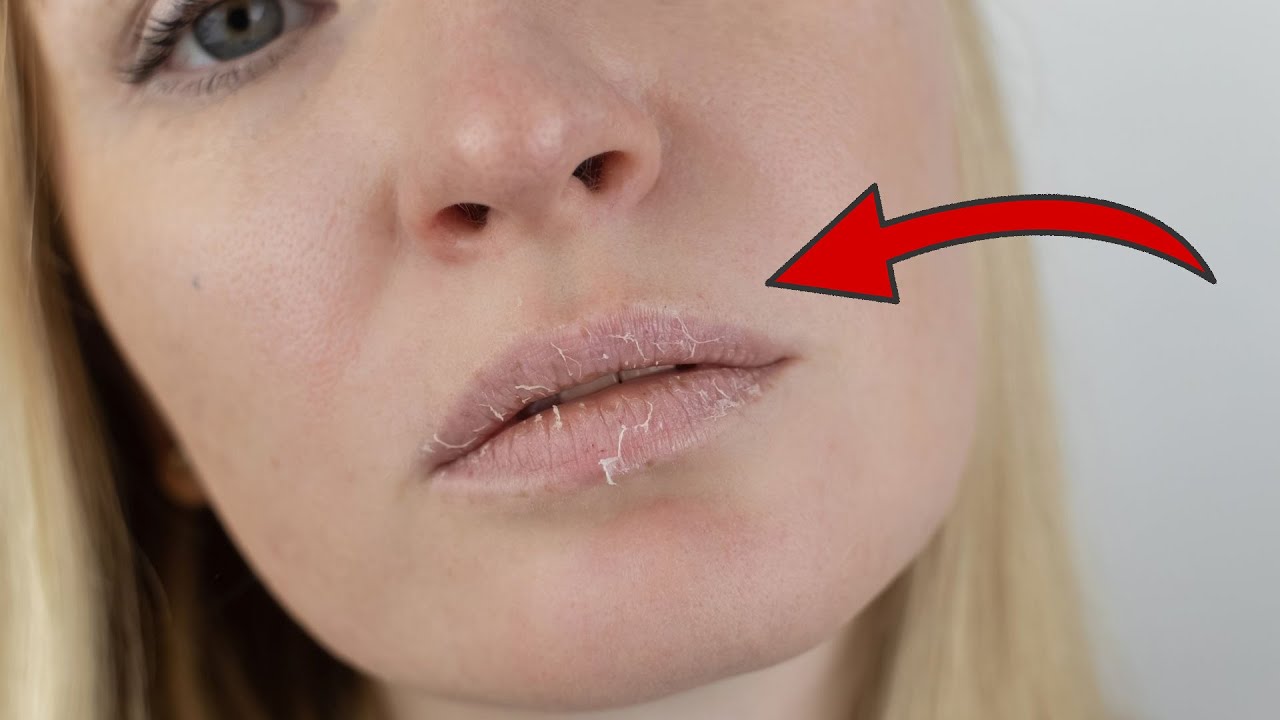
2. Pale Skin
If your complexion appears paler than usual, it may signify decreased hemoglobin from insufficient iron. Pay attention to how your skin looks and feels day to day.
3. Shortness of Breath
You might find yourself becoming easily short of breath during everyday activities, such as climbing stairs or doing household chores. This could be linked to low iron affecting your body’s ability to carry oxygen.
Lesser-Known Signs of Iron Deficiency
While the common symptoms are significant, there are also unconventional signs of iron deficiency that often go unnoticed. Recognizing these can guide you toward seeking help when necessary.
1. Unusual Cravings
People with iron deficiency sometimes experience pica, which is a craving for non-food items like ice, dirt, or starch. If you’ve been indulging in unusual cravings, it’s worth considering your iron intake.
2. Restless Legs Syndrome
This condition causes an overwhelming urge to move your legs, especially at night, making it difficult to sleep. Low iron levels may be a contributing factor.
3. Frequent Infections
A weakened immune system can also be a sign of iron deficiency. If you’re catching colds and infections more often than usual, low iron might be the culprit.
Causes and Solutions
Understanding the causes of iron deficiency is essential for addressing the issue effectively. Here are some possible reasons and practical solutions to help improve your iron levels.
1. Dietary Choices
Your diet plays a significant role in your iron levels. Consider incorporating iron-rich foods into your meals. Good sources include:
- Leafy greens like spinach
- Legumes, such as lentils and beans
- Red meat and poultry
- Nuts and seeds
2. Absorption Issues
Some individuals may have difficulty absorbing iron due to gastrointestinal conditions. It’s important to consult a healthcare provider if you suspect this is the case.
3. Menstrual Loss
Women with heavy menstrual periods are at a higher risk for iron deficiency. If this is relevant to you, discussing management strategies with a healthcare professional can be beneficial.
Mistakes to Avoid
When it comes to addressing iron deficiency, there are several common pitfalls to be aware of:
- Relying solely on supplements without dietary changes
- Ignoring symptoms and not consulting a healthcare provider
- Overconsumption of calcium, which can inhibit iron absorption
- Neglecting to include vitamin C, which helps with iron absorption
- Misunderstanding the types of iron sources – heme versus non-heme
FAQ
What are the best food sources of iron?
Iron-rich foods include red meat, poultry, lentils, beans, and green leafy vegetables. Including a variety can help you meet your daily needs.
Can iron deficiency cause hair loss?
Yes, low iron levels can lead to increased hair loss, as iron is vital for hair follicle health.
How is iron deficiency diagnosed?
A healthcare provider will typically diagnose iron deficiency through blood tests that measure hemoglobin and ferritin levels.
Conclusion
Recognizing the signs of iron deficiency, both common and unusual, is crucial for your overall health. By making informed dietary choices and addressing potential causes, you can effectively manage your iron levels. What signs have you noticed in yourself or others that prompted a deeper look into their health? Share your thoughts in the comments.