
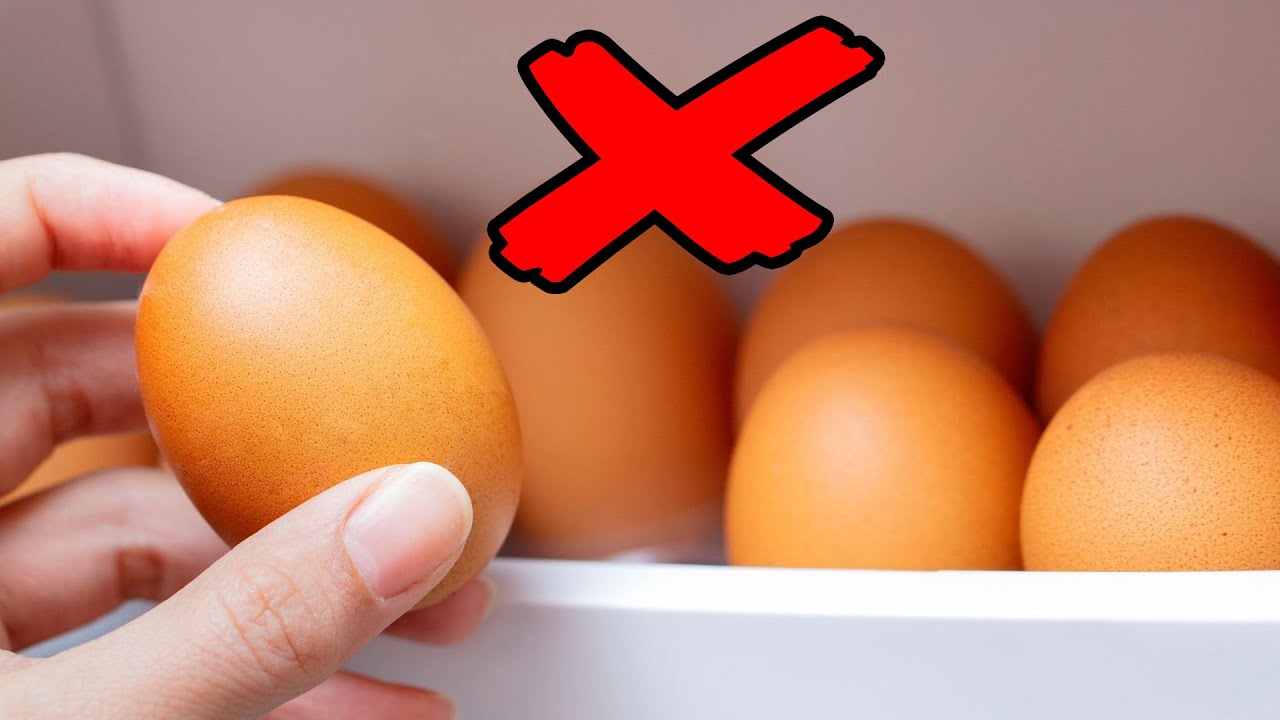
7 Reasons You Should NEVER Store Eggs in the Refrigerator for Better Freshness
Why You Should Avoid Storing Eggs in the Refrigerator for Better Freshness
Understanding Egg Freshness
When you crack open an egg and find it less than fresh, it can be disappointing. Have you ever wondered why your eggs don’t seem to last? One factor many overlook is how they are stored. The way you keep eggs can significantly affect their longevity and quality. As you read on, you’ll uncover why avoiding refrigeration might just be the key to preserving freshness.
Optimal Storage Methods for Eggs
To maintain your eggs in the best condition, it’s essential to understand the appropriate techniques for storage.
1. Keep Eggs at Room Temperature
Storing eggs at room temperature can preserve their natural protective coating, which helps keep bacteria out. Here are steps to ensure they stay fresh:
- Choose a cool spot: Find a place in your kitchen that stays cool and is away from direct sunlight.
- Use a basket: A well-ventilated basket allows air circulation around the eggs.
- Keep them intact: Do not wash the eggs until you’re ready to use them, as this can remove the protective coating.
2. Monitor Humidity Levels
Eggs prefer a moderate level of humidity. Too much moisture can encourage bacterial growth, while too little can cause the egg to dry out. Consider the following:
- Check the humidity in your kitchen if possible.
- Store eggs in a dedicated area that maintains an even environment.
Common Mistakes to Avoid
1. Refrigerating Eggs
The most common mistake is placing eggs in the refrigerator. This can lead to a change in texture and taste, impacting their overall freshness.
2. Washing Eggs Before Storage
Many people wash their eggs, thinking it will keep them cleaner. However, this can strip away their natural protection, making them more prone to spoilage.
3. Storing Eggs in the Carton
Although it seems convenient, the carton can trap moisture. Instead, use a breathable container for better airflow.
FAQ
Why shouldn’t I store eggs in the fridge? Storing eggs in the refrigerator can remove their protective coating, leading to faster spoilage and a change in taste.
How long can eggs stay fresh at room temperature? Generally, eggs can remain fresh for about two to three weeks at room temperature.
What are signs that eggs have gone bad? If the egg floats in water or has an off smell when cracked open, it’s best to discard it.
Conclusion
Understanding how to properly store eggs can lead to better freshness and taste. By avoiding refrigeration and following simple guidelines, you can enjoy high-quality eggs for longer. What are your egg storage tips? Feel free to share in the comments!