8 Secrets for a Thriving Pepper Harvest
8 Secrets for a Thriving Pepper Harvest
Whether you prefer them spicy or sweet, peppers are a delightful addition to any garden. If you love making salsa (and who doesn’t?), growing peppers is essential. Last summer, we canned ten jars of zesty salsa, and the last batch mysteriously vanished on New Year’s Eve. Time to up our game for next year’s harvest!
From fresh crunching in salads to the adventurous heat of jalapeños and habaneros, there’s a pepper for everyone. No matter your spice level, understanding how to successfully grow capsicums is key to a thriving harvest.
Growing Conditions for Peppers
Although many articles claim that growing peppers is easy, certain challenges can arise. The right environment is crucial; chilly nights can pose a greater threat than heat. Ideal temperatures for pepper plants (Capsicum annuum) range from 60°F to 90°F, with an optimal preference for 70-80°F.
If you live in a cooler climate, consider using a greenhouse or polytunnel. Peppers also thrive in containers, making it easy to start a garden on your patio. Remember, both daytime and nighttime temperatures significantly impact your harvest.
8 Easy-Growing Tips for Abundant Peppers
While both sweet and spicy peppers share some similarities in care, their unique requirements must be taken into account. Here are eight helpful tips for growing robust peppers:
1. Germinating Pepper Seeds
Starting pepper seeds can be tricky. Many gardeners opt for nursery plants, but with patience and a bit of luck, you can germinate your own! Ideally, seeds should sprout at temperatures between 70°F and 80°F, which is warmer than many other vegetables.
To boost germination, dampen a thick paper towel, place the seeds inside, and seal it in a plastic bag in a warm area. Once they sprout, transplant them into individual containers.
2. Choosing the Right Planting Spot
Peppers thrive in full sun, requiring about 6-8 hours of direct sunlight for optimal growth. While bell peppers can tolerate some shade, hot peppers prefer maximum sunlight exposure for productivity.
3. Ideal Soil for Peppers
Peppers like well-draining sandy loam enriched with organic matter. When selecting a garden spot, ensure it’s different from where peppers have been grown recently to encourage healthy growth. Avoid excessive nitrogen, as it can hinder fruit production.
4. Hardening Off Seedlings
Before planting, it’s essential to acclimate your seedlings to outdoor conditions, a process called “hardening off.” Start by exposing them to warmer temperatures during the day, gradually increasing exposure over several days, and only bringing them indoors at night.
5. Watering Peppers Correctly
Peppers require about 1 inch of water per week. Focus on maintaining optimal soil conditions instead of overwatering. Mulching can help retain moisture while preventing weeds.
6. Mulching Techniques
Applying mulch around pepper plants not only suppresses weeds but also reduces moisture loss from the soil. Make sure to wait until the soil warms up before laying down mulch for best results.
7. Pinching Off Early Flowers
Though it may seem counterproductive, removing the first flowers can promote stronger growth. This encourages the plant to focus on root development and overall strength, which leads to better yields later on.
8. Knowing When to Harvest
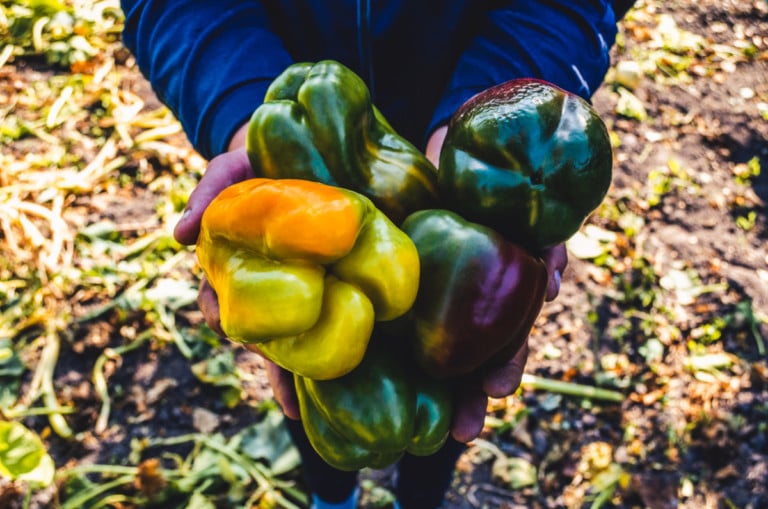
Peppers can be harvested at various stages, but they will be most flavorful if allowed to fully ripen on the plant. They can come in many colors, including red, yellow, orange, purple, and green. Use garden snips to gently harvest, as pulling can damage the plant.
Conclusion
For a fruitful pepper harvest, consider companion planting with herbs like basil and dill, which attract beneficial insects. Keep an eye out for plant spacing, especially for larger varieties that may need support. And when handling hot peppers, protect your hands to avoid irritation. With these tips, you’ll be well on your way to enjoying your very own pepper bounty!