30-Year-Old Trick: How Plastic Wrap Transforms Your Cutting Board!
Transform Your Cutting Board with This 30-Year-Old Trick Using Plastic Wrap
- Why Use Plastic Wrap on Your Cutting Board?
- Step-by-Step Guide to Using Plastic Wrap
- Creative Uses for Plastic Wrap Beyond the Cutting Board
- Common Mistakes to Avoid When Using Plastic Wrap
- Frequently Asked Questions
Why Use Plastic Wrap on Your Cutting Board?
Have you ever finished chopping vegetables or preparing a meal only to find your cutting board stained with stubborn colors or strong odors? If so, you’re not alone. Many home cooks struggle with keeping their cutting boards in pristine condition. The good news is that a simple solution exists. In fact, many home chefs have been using this technique for years to simplify cleanup and maintain their boards’ quality. Understanding the benefits of using plastic wrap on your cutting board can help ensure your kitchen stays organized and your meals remain delicious.
Step-by-Step Guide to Using Plastic Wrap
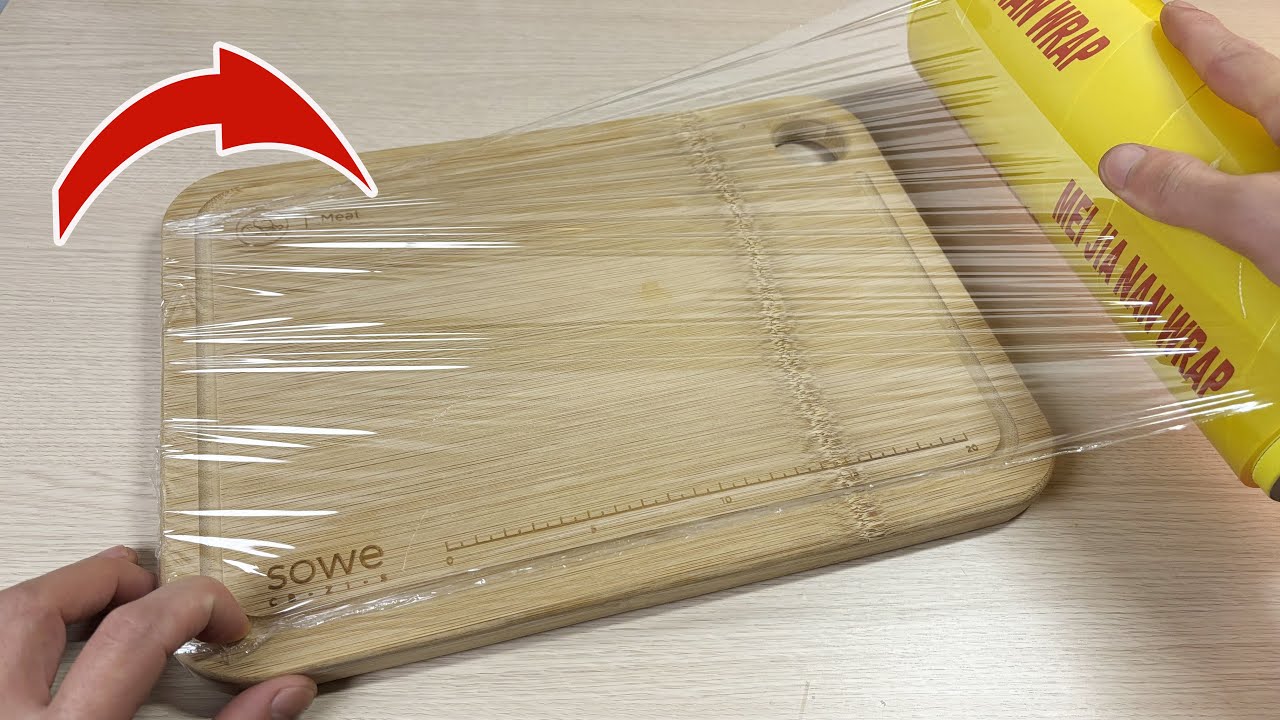
Utilizing plastic wrap on your cutting board can keep it clean and prolong its lifespan. Follow these steps for best results:
- Select the right type of plastic wrap—choose a heavy-duty variety for maximum effectiveness.
- Cut a piece of plastic wrap that covers your cutting board entirely, often a few inches larger than the board itself.
- Place the plastic wrap on the board, ensuring there are no wrinkles or bubbles.
- Begin chopping your ingredients directly on the plastic-covered surface.
- Remove the plastic wrap when you’re done, and dispose of it properly, leaving a clean board behind.
Practical Tips for Best Results
- Make sure to apply the wrap tightly to minimize any slips while cutting.
- Consider using paper towels between the plastic and board for added cushioning.
How This Trick Saves Time
Using plastic wrap can save you precious time during meal prep. Instead of scrubbing away stains and odors after cooking, simply discard the wrap. This technique not only makes cleanup easier but ensures your cutting board remains intact.
Creative Uses for Plastic Wrap Beyond the Cutting Board
Plastic wrap is versatile and can be employed in various ways in the kitchen:
- Wrap bowls for storage. Instead of cling film, use plastic wrap to cover your dishes safely.
- Cover fruits and vegetables after slicing to keep them fresh longer.
- Seal jars with a layer of plastic wrap under the lid to create an airtight seal.
Innovative Uses in DIY Projects
Beyond your kitchen, plastic wrap can even be used in DIY projects to protect surfaces or as a temporary seal to hold items in place while they dry.
Combining Plastic Wrap with Other Techniques
For added efficiency, consider using plastic wrap alongside parchment paper or silicone mats, especially during baking, to prevent sticking and make cleanup effortless.
Common Mistakes to Avoid When Using Plastic Wrap
While using plastic wrap is straightforward, there are a few pitfalls to watch out for:
- Skipping the cleaning step: Always ensure your cutting board is clean and dry before applying the wrap.
- Using thin or inferior quality plastic wrap, which can tear easily.
- Neglecting to change the wrap for different food types, which can lead to cross-contamination.
Frequently Asked Questions
Can I use plastic wrap in the microwave?
Yes, but ensure it is labeled as microwave-safe to avoid chemical leaching.
How often should I replace my cutting board?
It’s recommended to replace your cutting board every few years or sooner if it develops deep grooves that trap bacteria.
Is there a more sustainable alternative to plastic wrap?
Yes, reusable beeswax wraps or silicone covers can be eco-friendly alternatives worth considering.
Conclusion
Using plastic wrap on your cutting board is a simple yet effective way to maintain cleanliness and prolong its life. Implement these tips in your kitchen routine, and enjoy the benefits that come with them. What unique uses have you found for plastic wrap in your home?