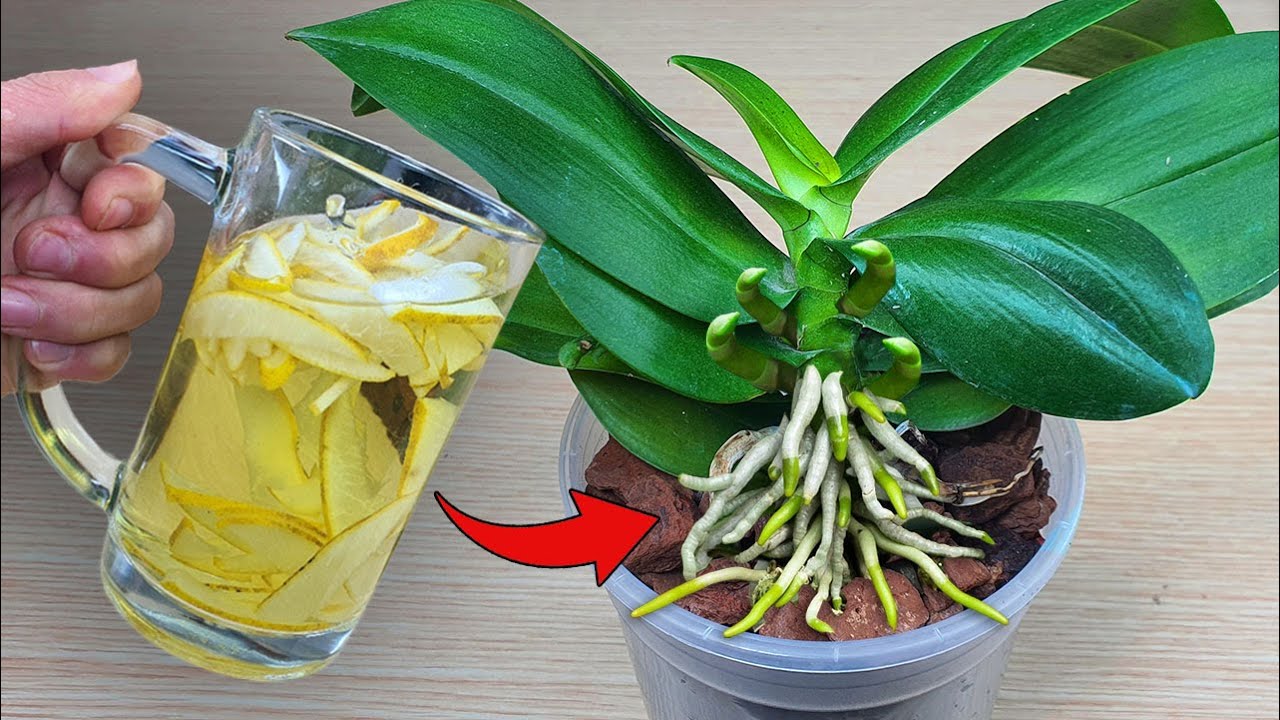
1 Simple Trick to Keep Your Orchids Blooming All Year Long!
One Simple Trick to Keep Your Orchids Blooming All Year Long
- Introduction
- Understanding Orchid Needs
- Optimal Lighting for Orchids
- Watering Techniques
- Common Mistakes
- FAQ
- Conclusion
Introduction
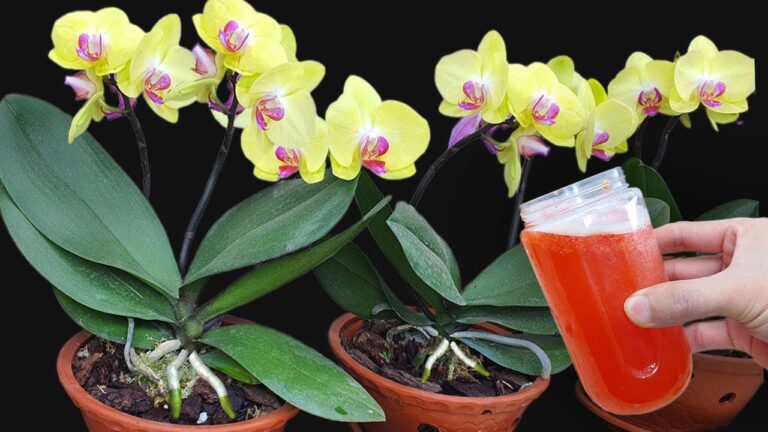
Picture this: you’ve nurtured your orchids with care, but they seem to go through long phases of not blooming. It can be frustrating when you’re hoping to enjoy their beauty consistently throughout the year. Learning about the specific needs of these lovely plants can significantly impact their flowering cycles. In this article, we will explore one simple trick that can help you keep your orchids vibrant and blooming. Let’s dive into the details!
Understanding Orchid Needs
Before applying any tricks to enhance blooming, it’s essential to understand what your orchids need:
- Light: Orchids thrive in bright, indirect sunlight.
- Humidity: They prefer humidity levels around 40-70%.
- Temperature: A temperature range of 65-75°F (18-24°C) during the day and 10°F cooler at night is ideal.
Getting to know these basics helps create an optimal environment for your orchids. Consider investing in a humidity gauge or a light meter to monitor these variables.
Light Requirements
Ensuring your orchids receive the right amount of light is crucial. They generally prefer bright, indirect sunlight. This means placing them near a window but not in direct sunlight, which can scorch the leaves.
Humidity Levels
High humidity makes a significant difference in orchid health. If your home is dry, consider placing a tray of water with pebbles beneath the pot or using a humidifier to maintain the required levels.
Optimal Lighting for Orchids
Proper lighting directly influences the blooming of your orchids. Here are some methods to ensure your plants get the right light:
- Choose the Right Window: East or west-facing windows usually provide the right balance of light.
- Rotate Regularly: Rotating your orchids every couple of weeks ensures even exposure to light.
- Use Sheers: If you notice leaf burn, consider using sheer curtains to mitigate harsh sunlight.
Observing the leaves can also guide you; yellowing leaves might indicate too much light, while dark green leaves can suggest insufficient light.
Artificial Lighting
If natural light is limited in your home, using grow lights can be a beneficial alternative. LED or fluorescent grow lights can supplement the sunlight your orchids need, especially during winter months.
Seasonal Considerations
During the growing season, your orchids may need more light. Adjusting their location with the changing seasons can help maintain consistent blooming.
Watering Techniques
Effective watering is another crucial aspect of orchid care:
- Frequency: A good rule of thumb is to water once a week, allowing the potting medium to dry out slightly between waterings.
- Water Quality: Use distilled water when possible, as tap water can have chlorine and other chemicals harmful to orchids.
- Temperature: Water your orchids with room temperature water to avoid shocking their roots.
Overwatering is a common mistake, so always ensure proper drainage.
Signs of Overwatering
Look out for yellow leaves or root rot, which can indicate overwatering. Adjust your watering schedule accordingly.
Best Practices for Watering
When watering, ensure that water reaches the roots directly. Using a watering can with a narrow spout can help control the amount of water given.
Common Mistakes
Avoiding these common mistakes can enhance your orchid care:
- **Ignoring light requirements:** Ensuring proper lighting is vital for blooming.
- **Overwatering:** Regularly check the potting medium and adjust watering schedules.
- **Not monitoring humidity levels:** Low humidity can stress orchids and impede flowering.
- **Neglecting repotting:** Over time, orchids may outgrow their pots, requiring repotting for continued growth.
- **Forgetting fertilizer:** Using an appropriate orchid fertilizer helps promote healthy blooms.
FAQ
How often should I water my orchids? Water your orchids approximately once a week, allowing the potting medium to dry out slightly in between.
What type of light do orchids need? Orchids thrive in bright, indirect sunlight, so placing them near an east or west-facing window is ideal.
How can I increase humidity for my orchids? You can increase humidity by placing a tray of water with pebbles under the pots or using a humidifier in the room.
Conclusion
Taking care of your orchids involves understanding their unique needs, especially regarding light and water. Implementing the discussed techniques can help you keep your orchids blooming beautifully throughout the year. Have you tried any other tips for maintaining your orchid blooms? Share your experiences in the comments!