1 Spoon That Makes Even Weak Orchids Bloom: Discover the Secret to Beautiful Flowers!
One Spoon That Makes Weak Orchids Bloom: Discover the Secret to Beautiful Flowers!
- Understanding Orchid Needs
- Perfect Nutritional Formula
- Application Techniques for Best Results
- Common Mistakes to Avoid
- FAQ
Are your orchids struggling to bloom? You might find them wilting or producing weak, lifeless flowers that seem far from their vibrant potential. Caring for these delicate plants can sometimes feel overwhelming, especially when they fail to thrive as expected. Understanding their unique requirements can dramatically shift your plant care routine. Let’s explore some effective strategies that will breathe life back into your orchids.
Understanding Orchid Needs
Orchids are unique among flowers, needing specific conditions to flourish. These conditions include proper light, humidity, and, most importantly, the right nutrients. Here are some essential elements for your orchids’ well-being:
Light Requirements
Orchids thrive in bright, indirect sunlight. A south or east-facing window usually provides optimal conditions. However, be careful not to expose them to harsh direct sunlight, which can scorch their leaves.
Humidity Levels
These plants hail from tropical environments, and high humidity levels are crucial for their growth. Maintaining a humidity level of 50-70% can lead to better blooming.
Temperature Preferences
In general, orchids prefer temperatures between 65°F to 80°F (18°C to 27°C) by day and slightly cooler nights. Avoid placing them near temperature extremes like air conditioning vents or heaters.
Perfect Nutritional Formula
One essential aspect of orchid care is providing a nutritional formula that supports strong growth and blooming. You can easily create a nourishing mix using common household ingredients.
Homemade Nutrient Recipe
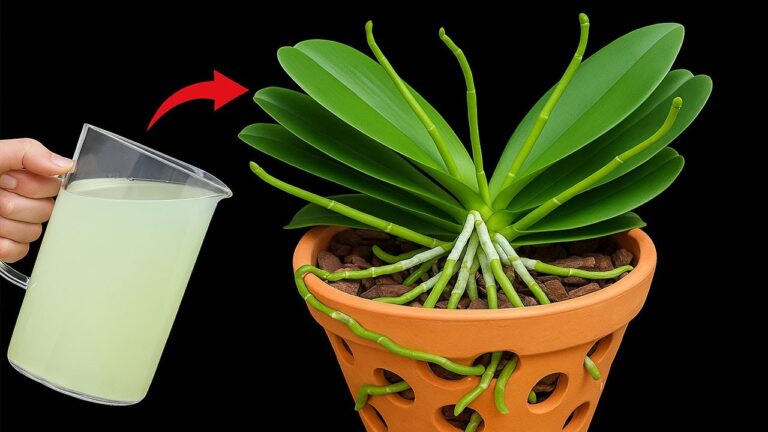
To stimulate blooming in your orchids, consider this simple nutrient solution:
- Mix one tablespoon of Epsom salt with one gallon of water.
- Add a quarter teaspoon of liquid fertilizer specifically formulated for orchids.
- Stir the mixture well to ensure everything dissolves completely.
Application Frequency
Applying this nutrient mixture every two weeks during the growing season can give your orchids the boost they need. Be sure to adjust this frequency if your plants show signs of stress.
Observation Tips
Pay attention to your orchids after application. Healthy leaves should be firm and vibrant. If you notice any wilting or discoloration, it may be time to reconsider your formula or application schedule.
Application Techniques for Best Results
The method of applying nutrients can significantly impact the health of your orchids. Here are some techniques to maximize absorption:
Soaking Method
To enhance nutrient uptake, you can soak the roots of your orchids directly in the nutrient solution:
- Remove the orchid from its pot, gently detangling the roots.
- Submerge the roots in the nutrient solution for about 30 minutes.
- Drain any excess solution and repot your orchid.
Foliar Feeding
Applying the nutrient solution directly onto the leaves can also provide a quick nutrient boost:
- Use a spray bottle to mist the leaves lightly with the solution.
- Avoid the center of the plant to minimize rot risks.
- Do this in the early morning to allow the leaves to absorb nutrients before the heat of the day.
Routine Care
After application, continue your regular watering schedule to ensure the plant remains hydrated while it processes the nutrients.
Common Mistakes to Avoid
When caring for your orchids, it’s easy to make mistakes that can hinder their growth. Here are some common pitfalls to watch for:
- Overwatering: Many orchid owners tend to overwater, leading to root rot. Ensure proper drainage and allow the potting medium to dry between waterings.
- Ignoring Light Levels: Insufficient light can stunt growth. Regularly check and adjust their placement based on their light needs.
- Neglecting Humidity: Failure to maintain adequate humidity can affect blooming. Consider using a pebble tray or humidifier to create a favorable environment.
- Wrong Fertilizer Type: Using standard houseplant fertilizer can be detrimental. Opt for formulations specifically designed for orchids.
- Inconsistent Care: Orchids thrive on consistency. Maintain regular watering and feeding schedules to promote healthy growth.
FAQ
What kind of fertilizer is best for orchids? Look for a fertilizer specifically formulated for orchids, usually labeled as balanced with a higher phosphorus ratio to promote blooming.
How often should I water my orchids? Water your orchids once a week, ensuring the potting medium is dry before the next watering.
Can I use tap water for my orchids? Yes, but it’s best to let tap water sit out for 24 hours to allow chlorine to dissipate before using it on your orchids.
By understanding your orchids’ needs and providing the right nutrients with care, you can promote beautiful blooms. What tips have worked best for you in nurturing your orchids? Share your experiences in the comments!