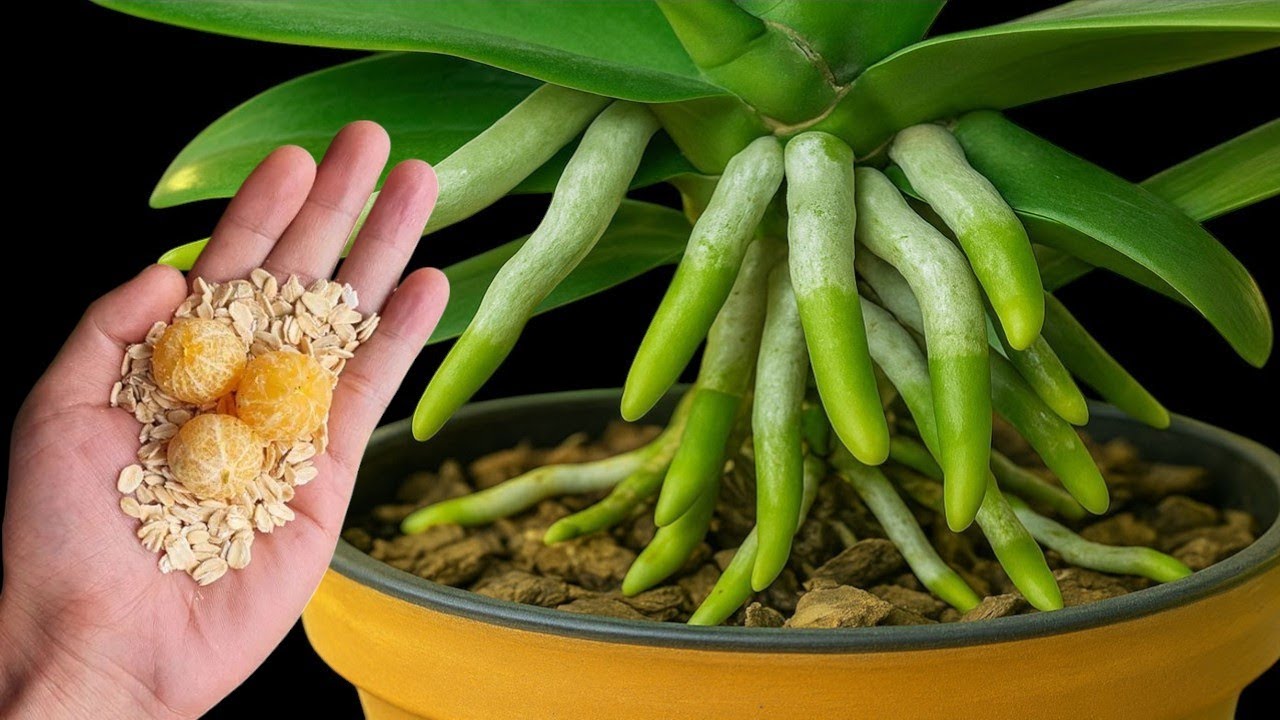
5 Secrets to Make Your Orchids Grow Faster and Bloom Instantly!
5 Secrets to Make Your Orchids Thrive and Bloom Beautifully
- Understanding Orchids
- Ideal Growing Conditions for Orchids
- Feeding Your Orchids
- Common Mistakes to Avoid
- FAQ
You’ve invested in beautiful orchids, perhaps as a centerpiece in your home or as a thoughtful gift for someone special. However, you may find that these stunning plants sometimes struggle to flourish or bloom as expected. If you’ve faced this challenge, you’re certainly not alone. Many orchid enthusiasts wrestle with similar concerns, wondering how to coax their plants into optimal growth. By understanding the unique needs of orchids, you can transform your experience and witness them flourish. Keep reading to discover the essential secrets that can help your orchids thrive and bloom beautifully.
Understanding Orchids
Orchids come in various species, each with its own requirements. Understanding these needs is the first step in ensuring they thrive.
1. The Diversity of Orchids
Orchids belong to the Orchidaceae family, which encompasses thousands of species. Each type, from Phalaenopsis to Cattleya, has unique characteristics and care demands. Knowing what variety you have will greatly impact how you care for it.
2. The Importance of Roots
The root system of orchids is unique. They are often epiphytic, meaning they grow on other plants. This adaptation allows them to access moisture and nutrients from the air and surrounding environment. Keeping the roots healthy is crucial for their overall health.
3. Lifespan and Growth Cycles
Orchids can have long lifespans, often blooming multiple times a year. However, their growth cycles can vary significantly. Being aware of whether your plant is in a growth or rest period will help you provide the right care at the right time.
Ideal Growing Conditions for Orchids
Creating optimal conditions for your orchids is vital for their growth and blooming potential.
1. Light Requirements
Provide your orchids with bright, indirect light. Direct sunlight can scorch their leaves, while too little light will stunt their growth. Placing them near a window with filtered light often works best.
2. Humidity Levels
Orchids thrive in high humidity. Aim for levels between 40% to 70%. You can use a humidifier, or place a tray of water near your orchids to increase moisture in the air.
3. Temperature Control
Maintaining a consistent temperature is key. Most orchids prefer temperatures ranging from 65°F to 75°F during the day and slightly cooler at night. Check for drafts from windows or air conditioning that might disrupt their environment.
Feeding Your Orchids
Nutrition is another crucial part of ensuring your orchids thrive and bloom.
1. Fertilization Schedule
Use a balanced orchid fertilizer every two weeks during the growing season, and reduce to once a month during the dormant phase. This will ensure your orchids receive the necessary nutrients for growth.
2. Watering Techniques
Your orchids need careful watering. Water them thoroughly and allow excess to drain. A general rule is to water once a week, but always check the moisture level of the potting medium before doing so.
3. Organic Alternatives
Consider using organic fertilizers or compost to give your orchids a nutrient boost. Options like worm castings or orchid-specific compost can enhance soil quality without harmful chemicals.
Common Mistakes to Avoid
Even seasoned gardeners can make errors that hinder orchid growth. Here are a few common pitfalls to be aware of.
1. Overwatering
One of the biggest mistakes is overwatering, leading to root rot. Always ensure your pots have adequate drainage and allow the medium to dry out slightly between waterings.
2. Neglecting Repotting
Orchids often need repotting every couple of years. If you notice that the potting medium has broken down or the roots are outgrowing their pot, it’s time to repot them.
3. Ignoring Pests
Keep an eye out for signs of pests like aphids or mealybugs. If you spot them, act quickly with natural remedies like neem oil to protect your orchids.
FAQ
What type of potting mix should I use for orchids?
A well-draining potting mix specifically formulated for orchids is ideal. This often includes bark, charcoal, and sphagnum moss to allow for airflow and moisture retention.
How often should I fertilize my orchids?
Fertilize your orchids every two weeks during their growing season and once a month while they are dormant to keep them healthy.
Can orchids survive indoors without natural light?
Orchids can survive indoors with artificial light if natural light is insufficient. Use a fluorescent bulb designed for plants to provide adequate light.
In summary, caring for your orchids involves understanding their specific needs, creating the right environment, and providing proper nutrition. What tips or experiences do you have with growing orchids? Feel free to share in the comments below!