Avoid This 1 Mistake to Save Your DIY Wood Project from Disaster!
Avoid This Common Mistake to Save Your DIY Wood Project from Disaster
Introduction
You’re excited to dive into your next DIY wood project, perhaps creating a rustic bookshelf or a chic coffee table. However, as you gather your tools and materials, an uneasy feeling creeps in. Will your vision match the reality of your skills and resources? Many DIYers encounter this situation, often leading to frustration and wasted materials. Understanding the common pitfalls before you start can save you time and heartache. Let’s explore some key areas to ensure your project goes smoothly.
Underestimating Materials
One of the first mistakes you might make is underestimating the materials needed for your project. Whether it’s the wood itself, screws, or finishing products, having insufficient supplies can hamper your progress.
Checklist for Materials
Before starting, create a checklist to keep track of what you’ll need:
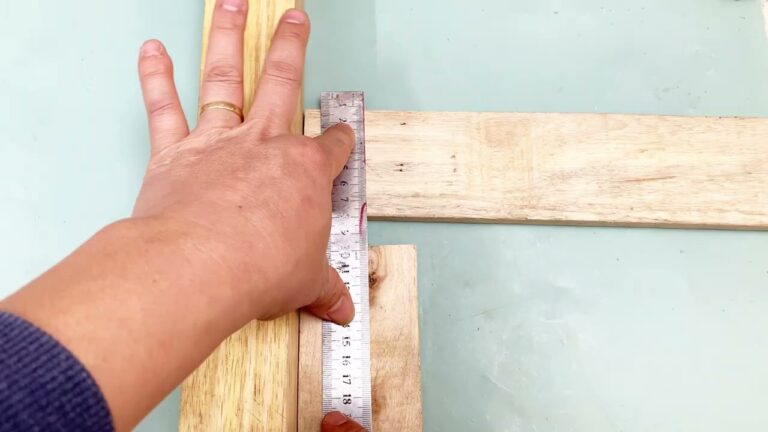
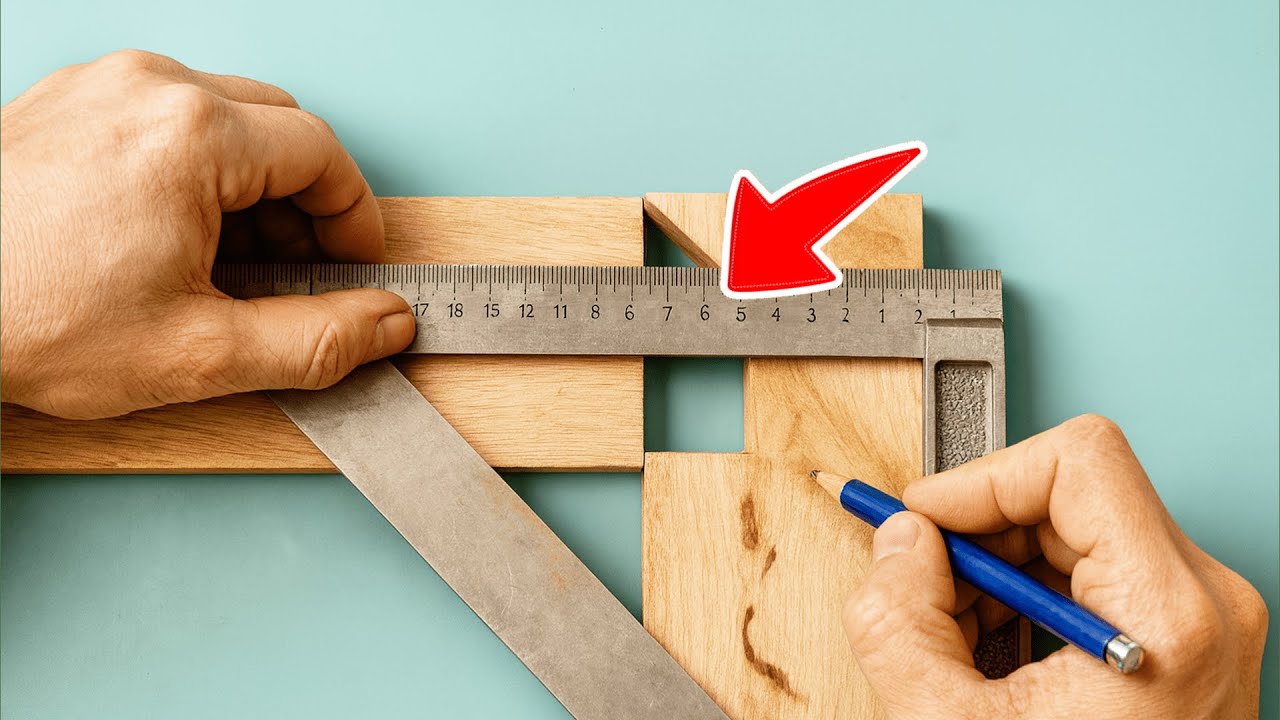
- Measure each piece carefully and account for potential mistakes.
- List all necessary materials, including types of wood and finishing products.
- Purchase extra material to compensate for errors; a good rule of thumb is to buy 10-20% more than you think you need.
Quality vs. Quantity
While it may be tempting to save money by buying cheaper materials, this can affect the final outcome. Consider quality as essential:
- Research various wood types to determine which one is suitable for your project.
- Invest in good-quality screws and joints to ensure durability.
- Think about the finish; a high-quality stain or sealant can enhance longevity.
Not Planning Ahead
A crucial aspect of any DIY project is planning ahead. Without a solid plan, you might face unexpected challenges that can derail your progress.
Creating a Detailed Blueprint
Your blueprint doesn’t have to be elaborate, but it should include:
- Dimensions of your finished project.
- A step-by-step outline of assembly.
- Details about the tools required at each stage.
Time Management Tips
To avoid rushing through your project, allocate specific time slots for each step:
- Estimate how long each part of your project will take.
- Set deadlines for each phase to keep you on track.
- Factor in extra time for any unexpected challenges.
Common Mistakes to Avoid
Even with careful planning, it’s easy to fall into traps that can jeopardize your DIY wood project. Here are common mistakes that you can steer clear of:
Mistake 1: Skipping Safety Gear
Neglecting to wear safety gear, such as goggles and gloves, can be detrimental. Always prioritize safety to ensure a pleasant crafting experience.
Mistake 2: Ignoring Wood Grain
Understanding the wood grain is vital for the aesthetic and structural integrity of your project. Cutting against the grain can lead to splintering or cracking.
Mistake 3: Rushing the Drying Time
Impatience can be your enemy. Whether it’s glue or finish, allowing ample drying time enhances the durability and finish of your project. Always read the instructions for drying times.
FAQ
What materials do I need for a DIY wood project?
You typically need wood, tools such as saws and drills, screws, and finishing products like stains or sealants, depending on your specific project.
How can I avoid mistakes in my DIY wood project?
Planning ahead, quality materials, and meticulous measuring can greatly minimize mistakes. Consider drafting a blueprint and allocating sufficient time for each step.
Is it okay to use scrap wood for DIY projects?
Absolutely! Scrap wood can be an excellent choice for smaller projects and creative recycling, as long as it is structurally sound.
Conclusion
By avoiding common pitfalls such as underestimating materials and not planning adequately, your DIY wood project is likely to succeed. Take your time, and share your experiences or tips in the comments below. What has your biggest challenge been when working on wood projects?