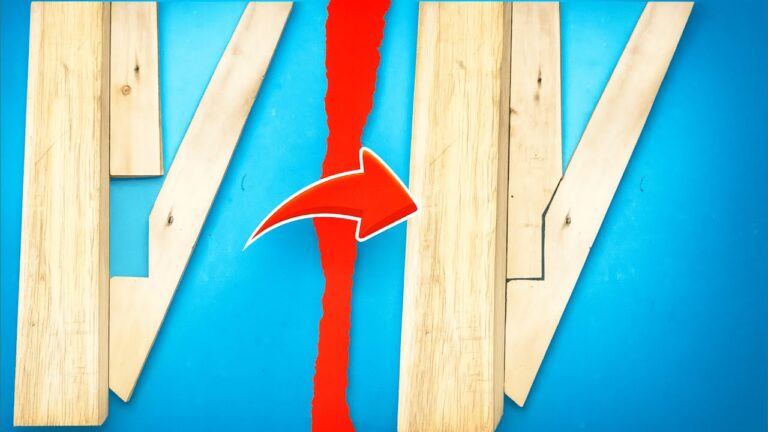
5 Unique Wood Joint Shapes to Try in Your Home Workshop Today
5 Unique Wood Joint Shapes to Try in Your Home Workshop
Introduction
As you embark on your woodworking projects, you may find yourself yearning for unique techniques that can elevate your creations. Choosing the right wood joint is crucial for both aesthetics and durability. However, navigating through the myriad of options can be overwhelming. By exploring distinctive shapes and techniques, you not only enhance the look of your woodworking but also strengthen the structure. Let’s delve into some interesting wood joint shapes that can add character to your home projects, giving you the inspiration to continue crafting.
Types of Wood Joints
When it comes to woodworking, understanding the different types of wood joints is essential. Each type has its own unique advantages and applications.
1. Dovetail Joint
A traditional choice in fine woodworking, the dovetail joint is known for its interlocking shape that provides excellent resistance to pulling apart.
2. Mortise and Tenon Joint
This classical joint is favored for its strength and stability, making it perfect for furniture construction. The tenon fits snugly into the mortise, creating a robust connection.
3. Biscuit Joint
Utilizing small oval-shaped biscuits, this joint offers ease of use, making it ideal for aligning edges and boards, particularly in cabinetry.
4. Half-Lap Joint
The half-lap joint features overlapping pieces, which not only bond well but also create a flush surface, ideal for framing and supports.
5. Box Joint
Also known as a finger joint, this type is prominent in box construction. Its interlocking fingers provide excellent surface area for gluing, ensuring a strong hold.
Step-by-Step Guide
Now that you are familiar with some wood joint shapes, let’s explore how to create a couple of these joints in your workshop.
Creating a Dovetail Joint
- Gather your materials: two pieces of wood, a dovetail saw, chisels, and a marking gauge.
- Mark the tails and pins on your wood pieces using the marking gauge for precision.
- Cut along your markings with the dovetail saw, taking care to maintain straight lines.
- Chisel out the waste wood between your cuts, ensuring a clean fit.
- Assemble the joint by applying wood glue and gently tapping it together.
Making a Mortise and Tenon Joint
- Select the wood pieces you will be joining.
- Mark the tenon on one piece and the mortise on the other piece using a square for accuracy.
- Cut the mortise using a chisel, removing excess wood to create a rectangular hole.
- Shape the tenon carefully using a saw and chisel; precision is key for a snug fit.
- Join the pieces with glue and secure with clamps for a strong bond.
Common Mistakes to Avoid
As you explore these wood joint techniques, be mindful of these common pitfalls that often arise during the woodworking process.
1. Inaccurate Measurements
One of the top mistakes is not taking accurate measurements, which can lead to ill-fitting joints.
2. Overly Tight Joints
While it’s important for a joint to fit well, an overly tight joint can compromise the wood’s integrity, causing cracks.
3. Insufficient Drying Time
Rushing the glue drying process can weaken the joint. Always allow adequate time for the glue to set before moving forward.
4. Ignoring Wood Grain
Not considering the wood grain direction can lead to weaker joints. Ensure you align your joints with the grain for optimal strength.
5. Lack of Practice
Jumping straight into complex joints without practice can lead to frustration. Take time to practice simpler joints first.
FAQ
What is the strongest wood joint?
The mortise and tenon joint is often considered one of the strongest due to its interlocking design, providing excellent stability.
How do I choose the right wood joint for my project?
Consider the type of project, the load it needs to support, and the aesthetic you wish to achieve when choosing a wood joint.
Can I use wood joints for outdoor furniture?
Yes, wood joints can be used for outdoor furniture, but ensure you utilize weather-resistant wood and appropriate finishes for durability.
Conclusion
Experimenting with unique wood joint shapes can add both beauty and strength to your woodworking projects. By avoiding common mistakes and following these steps, you can confidently create sturdy and aesthetically pleasing joints. What unique wood joint shapes are you excited to try in your next project? Let us know in the comments below!