40 Unexpected Bumper Fixes Every Car Owner Should Know!
40 Essential Bumper Fixes Every Car Owner Should Know
- Introduction
- Common Bumper Issues and Their Causes
- DIY Bumper Repairs You Can Try
- Creative Solutions for Bumper Durability
- Common Mistakes to Avoid When Fixing Bumpers
- Frequently Asked Questions
- Conclusion
Introduction
Many car owners can relate to the sinking feeling of noticing a dent or scratch on their bumper. Whether it’s from a minor fender bender or an unfortunate encounter with a shopping cart, bumper damage can be frustrating. You might be wondering if repairs are necessary or if you can tackle the problem yourself. By exploring various fixes, you may discover simple solutions that save you time and money. Read on to uncover practical ideas for addressing those pesky bumper issues.
Common Bumper Issues and Their Causes
Understanding the types of bumper damage can help you decide how best to address the problem. Here are some of the most common issues car owners face:
- Scratches – Often caused by contact with other vehicles or objects, scratches can affect the appearance of your bumper.
- Dents – Dents may occur due to impacts or collisions, and they can sometimes obscure tail lights or other features.
- Cracks – In more severe cases, you might find cracks in the bumper that impair its structural integrity.
Knowing the cause of the damage can guide you toward the best repair method.
DIY Bumper Repairs You Can Try
If you’re feeling handy, there are several DIY repairs that you might find effective:
1. Repairing Scratches
- Clean the scratched area with soap and water to remove dirt.
- Buff the scratch using fine-grit sandpaper, working gently.
- Apply touch-up paint carefully to blend with your car’s color.
2. Fixing Dents
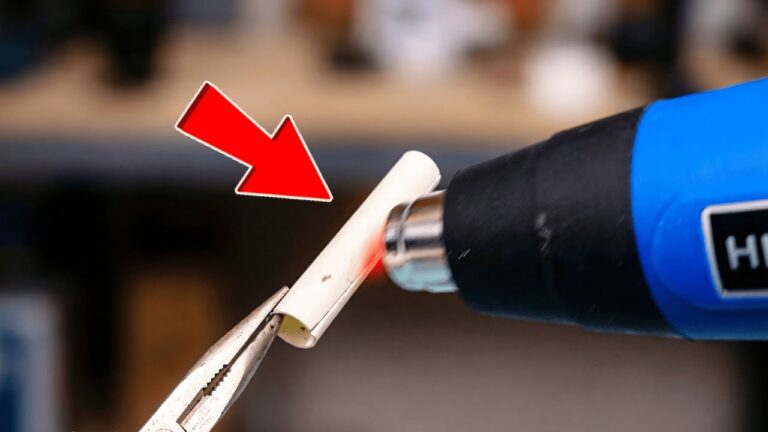
- Heat the dented area with a hairdryer to expand the plastic.
- Use a plunger to pull the dent out, creating suction.
- Cool the area with ice to help the plastic return to its original shape.
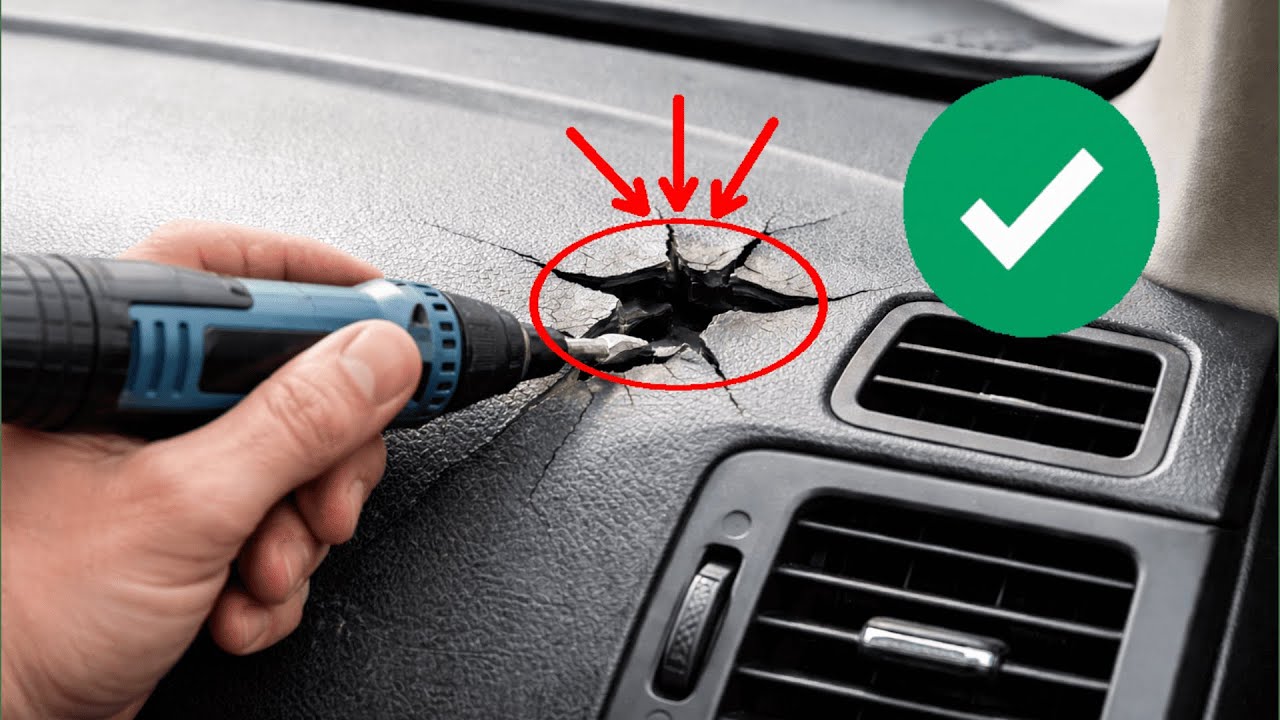
3. Addressing Cracks
For minor cracks, you can:
- Clean around the crack with rubbing alcohol.
- Apply a plastic repair adhesive designed for automotive use.
- Sand the area once dried, making it smooth.
Creative Solutions for Bumper Durability
Enhancing your bumper’s resilience can prevent future problems. Here are some proactive strategies:
1. Protective Film
Applying a transparent protective film can shield against scratches and chips from debris.
2. Bumper Guards
Consider installing a bumper guard or protector, especially if you often park in crowded areas.
3. Regular Maintenance
Routine washing and waxing of your car can help maintain the bumper’s appearance and protect it from environmental damage.
Common Mistakes to Avoid When Fixing Bumpers
When addressing bumper damage, be mindful of these common pitfalls:
- Using the wrong type of adhesive can lead to poor repairs.
- Skipping the cleaning step can prevent proper adhesion.
- Rushing the drying process can compromise repair quality.
- Ignoring the color match can make your repairs noticeable.
Frequently Asked Questions
What types of materials are best for bumper repairs? Most bumper repairs use polyurethane or specific automotive adhesives for durability.
Can I paint my bumper myself? Yes, as long as you have the right tools and paint that matches your car’s color.
How can I prevent bumper damage in the future? Consider using protective film or bumper guards to avoid potential scratches and dents.
Conclusion
By understanding common bumper issues and exploring effective DIY repairs, you can maintain your vehicle’s appearance and functionality. Have you experienced bumper damage? Share your experiences and tips in the comments!