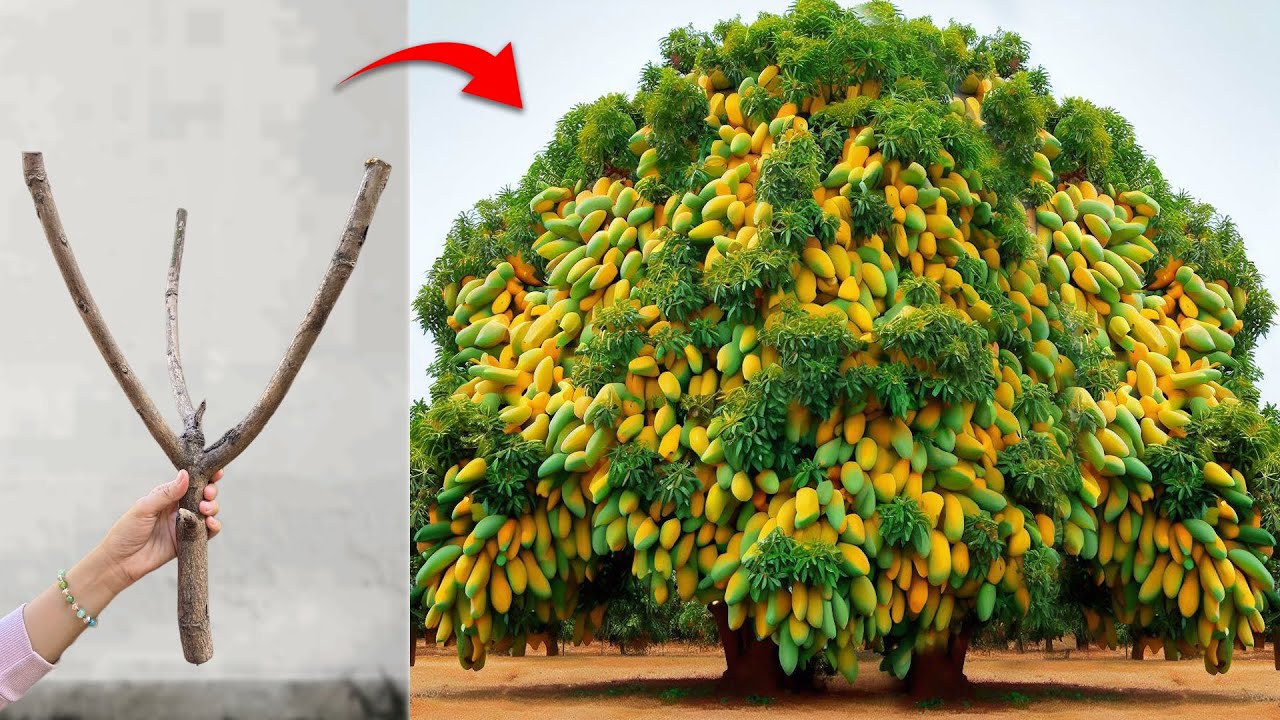
Graft 1 Mango with Apple for Surprising Fruit Hybrids You Must Try!
Grafting Mango and Apple for Unique Fruit Hybrids
- Introduction
- Understanding Grafting Techniques
- Benefits of Grafting Mango and Apple
- Step-by-Step Grafting Guide
- Common Mistakes to Avoid
- FAQ
- Conclusion
Introduction
Have you ever dreamt of tasting a fruit that combines the sweet, tropical flavor of mango with the crispness of apple? This delightful fusion might be closer than you think. Imagine cultivating a unique fruit in your garden that not only satisfies your taste buds but also impresses your friends. Grafting mango with apple is a captivating project for any gardening enthusiast eager for something different. Continue reading to explore how you can begin this fascinating venture.
Understanding Grafting Techniques
Grafting is a horticultural technique used to propagate plants by joining a piece of one plant (the scion) to the root system of another (the stock). This process allows you to combine the best characteristics of both plants, making it a popular choice among gardeners seeking innovation in their gardens.
What You Need to Know About Grafting
Before diving into grafting mango and apple, it’s important to understand the fundamental principles:
- Choose Compatible Species: Not all plants can be grafted together. Mango and apple belong to different families but can sometimes successfully graft with careful techniques.
- Timing Matters: Late winter or early spring is generally the best time for grafting, as plants begin their growth cycle.
- The Right Tools: A sharp grafting knife, pruning shears, and grafting wax are essential for a successful graft.
Types of Grafting Techniques
There are various grafting methods to explore, including:
- Chipping Graft: Useful when trying different types of fruit trees.
- Whip and Tongue Graft: Ideal for matching the diameters of the scion and stock.
- Side Graft: Suitable for grafting larger plants where simplicity is key.
Benefits of Grafting Mango and Apple
Grafting isn’t just an interesting project; it also offers various advantages for those who decide to try it.
Enhanced Fruit Quality
When you graft, you can potentially create fruit that captures the sweetness of mango combined with the crunch of apple. This can lead to a unique culinary experience.
Improved Hardiness
By selecting a rootstock with great disease resistance, you can enhance the overall hardiness of your grafted plant. This can lead to healthier growth and better yields.
Space Savings
If you have limited garden space, grafting allows you to grow multiple types of fruit from a single tree. This can turn your backyard into a mini fruit orchard.
Step-by-Step Grafting Guide
Now that you understand the basics and the benefits, here’s a practical guide to grafting mango with apple.
Materials Needed
- Mango scion (a young branch with healthy buds)
- Apple rootstock (a young apple tree)
- Grafting knife
- Pruning shears
- Grafting wax or tape
Grafting Process
- Prepare the Scion: Cut a 6-8 inch twig from the mango tree that has at least two buds.
- Prepare the Rootstock: Make a clean cut at an angle on the apple tree to increase the surface area for a strong connection.
- Join the Pieces: Align the cambium layers of both the mango scion and apple rootstock as closely as possible for better union.
- Secure the Graft: Use grafting tape or wax to secure the grafted area, protecting it from moisture and disease.
- Monitor Growth: Keep the grafted plant in a shaded, humid environment until new growth appears. Regularly check for any signs of infection.
Post-Grafting Care
Once you’ve completed the grafting process, proper care is essential:
- Water the plant regularly but avoid over-saturating the soil.
- Provide adequate support for the grafted area to encourage strong growth.
- Check for any signs of distress, including increased wilting or discoloration of leaves.
Common Mistakes to Avoid
Even experienced gardeners may encounter challenges during the grafting process. Here are some common mistakes to watch out for:
1. Choosing Incompatible Plants
Not all plants can be successfully grafted together. Ensure that the plants have compatible growth habits and genetic backgrounds.
2. Inadequate Injury Healing
Failure to make clean cuts can lead to poor healing. Always use a sharp knife to create smooth surfaces for grafting.
3. Overlooking Care
Neglecting the newly grafted plant can lead to its failure. Provide necessary care and monitor its progress.
FAQ
Can I graft different types of mango trees?
Yes, you can graft different varieties of mango to enhance fruit characteristics. Ensure they are compatible varieties.
What is the best time to graft mango and apple?
The best time for grafting is during late winter or early spring when the plants are beginning to grow actively.
How long does it take for the graft to take?
It usually takes several weeks to a few months for the graft to take completely. Monitor for new growth to confirm success.
Conclusion
Grafting mango and apple opens up opportunities for unique blends of fruit and improved garden productivity. With the right techniques and care, this gardening project can yield delightful results. Have you tried grafting before, or are you planning to take this step? Share your thoughts below!