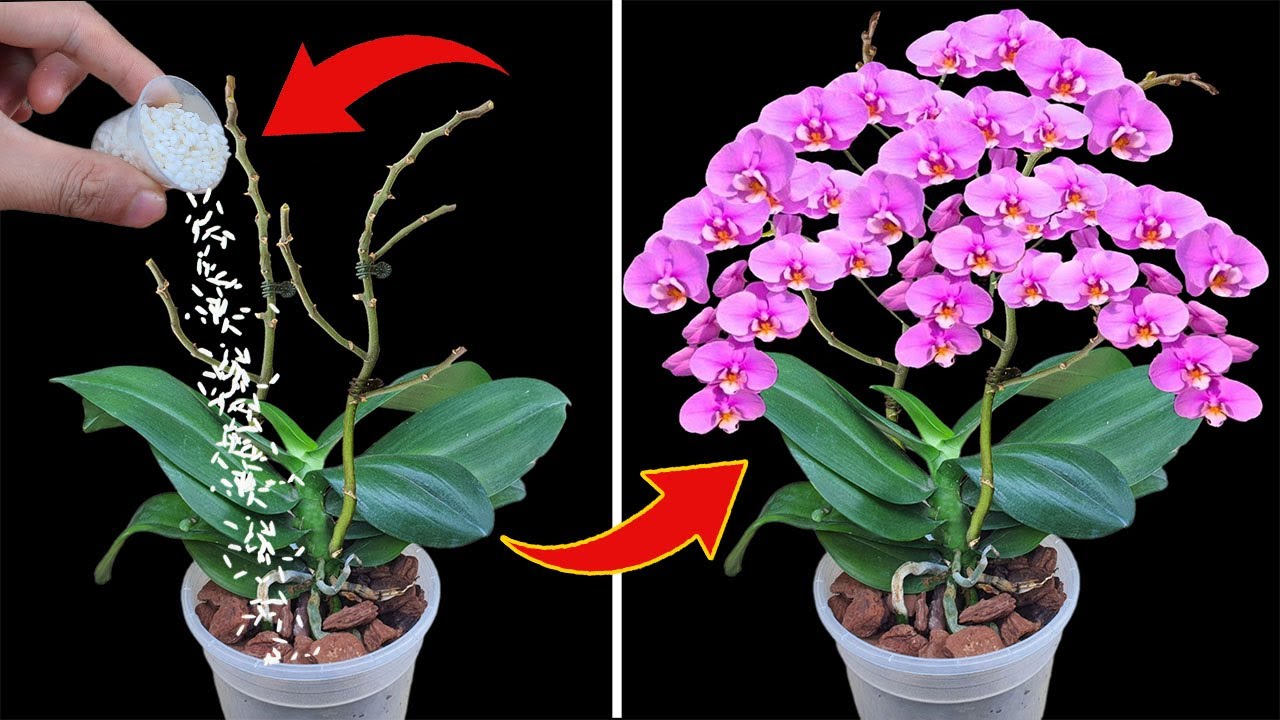
Revive Your Orchids: 1 Simple Cup for Year-Round Blooms!
Revive Your Orchids: How One Simple Cup Can Ensure Year-Round Blooms
- Introduction
- Understanding Orchids
- Choosing the Right Cup for Your Orchids
- Watering and Nourishing Your Orchids
- Common Mistakes to Avoid
- FAQ
- Conclusion
Introduction
Are your orchids refusing to bloom, leaving you wondering what went wrong? Many orchid enthusiasts face this dilemma, feeling frustrated despite their best efforts. Understanding these beautiful plants and how to care for them properly can transform your experience. The journey involves simple yet effective practices that can yield stunning results. Follow along as we explore how one cup can change the way you nurture your orchids.
Understanding Orchids
Orchids are unique plants requiring specific care to thrive. Recognizing their needs is essential for cultivating vibrant blooms throughout the year.
Types of Orchids
There are over 25,000 species of orchids. Here are some common types you might consider:
- Phalaenopsis: Known for their stunning flowers, they flourish indoors.
- Cattleya: Often called the “queen of orchids,” they prefer sunlight.
- Dendrobium: Popular for their vibrant colors and varied bloom times.
Growing Conditions
Orchids thrive in a balanced environment. Consider these factors:
- Light: Most orchids prefer indirect sunlight.
- Humidity: They enjoy a humid atmosphere, ideally between 40-70%.
- Temperature: Aim for 65-75°F during the day and slightly cooler at night.
Choosing the Right Cup for Your Orchids
Selecting the right cup is crucial for your orchids’ health. The right choice can promote strong root growth and vibrant blooms.
Material Matters
Choose a cup made from materials such as ceramic or plastic. Here’s why:
- Ceramic: Offers stability and retains moisture.
- Plastic: Lightweight and easy to handle, but ensure it has proper drainage.
Size and Shape
The size and shape of your cup can impact your orchid’s growth. Here are some tips:
- Choose a cup that is slightly larger than your orchid’s root system.
- Opt for a shallow cup to promote air circulation around the roots.
Watering and Nourishing Your Orchids
Proper watering and nutrition are vital for thriving orchids. Follow these guidelines to keep your plants healthy.
Watering Techniques
Understanding how and when to water your orchids can prevent overwatering.
- Check soil moisture: Use your finger to feel the top inch of the soil.
- Water: Only when the soil is dry to the touch.
Nourishing with Fertilizer
Using the right fertilizer can boost your orchids’ growth. Consider these practices:
- Type: Select a balanced, water-soluble fertilizer.
- Frequency: Fertilize every 2-4 weeks during the growing season.
- Dilution: Always dilute fertilizer to half-strength to avoid root burn.
Common Mistakes to Avoid
Even experienced gardeners can make mistakes with orchids. Here are some pitfalls to watch out for:
Overwatering
Overwatering is the most common mistake. Ensure your cup has adequate drainage to avoid root rot.
Insufficient Light
Orchids need bright, indirect light. Placing them in dark corners may prevent blooming.
Neglecting Humidity
Dry air can stress orchids. Consider using a humidity tray or misting them regularly.
FAQ
How often should I water my orchids?
Water your orchids when the top inch of the soil feels dry.
What type of fertilizer should I use for orchids?
A balanced, water-soluble fertilizer is ideal for orchids.
Why aren’t my orchids blooming?
Insufficient light, overwatering, or lack of nutrients might be the cause.
Conclusion
Proper care, including the right cup choice and watering techniques, can help ensure your orchids thrive year-round. What tips have you found helpful in keeping your orchids blooming? Share your thoughts in the comments!