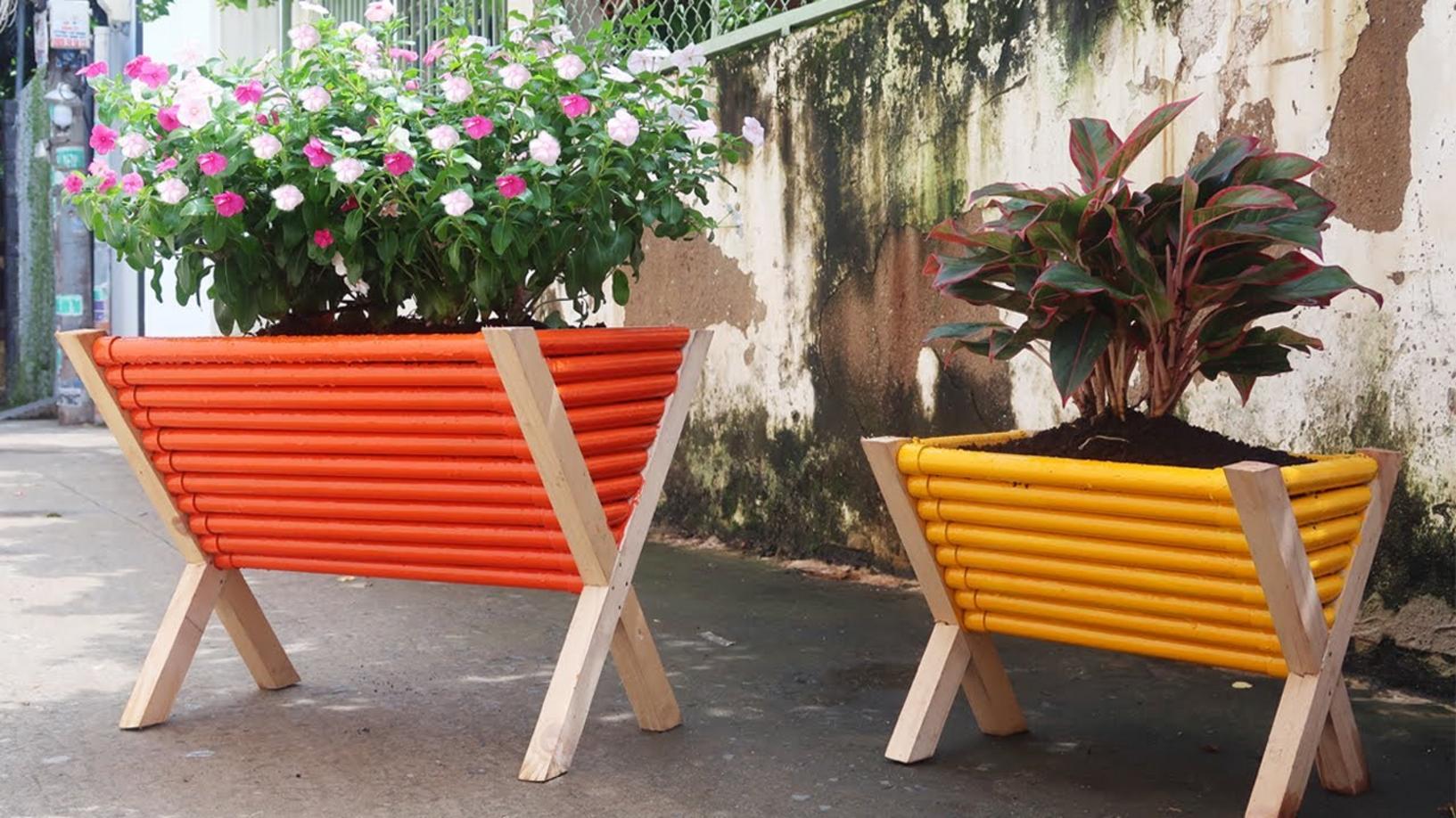
This simple trick turns old PVC pipes into stunning garden planters…
This Simple Trick Turns Old PVC Pipes Into Stunning Garden Planters
If you’re looking for a creative and budget-friendly way to enhance your garden, look no further! Transforming **old PVC pipes** into stunning garden planters is not just easy, but it also gives your space a unique touch. Let’s dive into this simple project that’s perfect for DIY enthusiasts and novice gardeners alike.
What You’ll Need
- Old PVC pipes (various lengths)
- Wooden bars
- Wood screws
- A drill
- Paint (of your favorite color)
- Soil and your choice of plants
- Measuring tape
- Sandpaper (optional for smoothing edges)
Step-by-Step Instructions
1. Prepare Your Materials
Start by gathering all your materials. Make sure the **PVC pipes** are clean and dry. If they have any sharp edges, use sandpaper to smooth them out for safety.
2. Cut the PVC Pipes
Using the measuring tape, decide the length you want for each planter. Use a saw to cut the **PVC pipes** to your preferred size. If you want varying heights, mix and match lengths.
3. Create the Base with Wooden Bars
Next, take the wooden bars and create a sturdy base. Measure the desired width for your planter, then cut the wooden bars accordingly. Use screws to securely attach the bars, forming a frame that will hold your **PVC pipe planters**.
4. Attach the PVC Pipes
Align the cut **PVC pipes** onto the wooden frame. Use screws to secure them in place, ensuring they stand upright. The number of pipes you use will determine how many plants you can showcase!
5. Paint and Personalize
Now comes the fun part! Choose your favorite paint color and apply it to the wooden frame and **PVC pipes**. Feel free to get creative—use stencils or other decorative techniques to make your planters truly one-of-a-kind.
6. Fill with Soil and Plants
Once the paint is dry, fill each **PVC pipe** with soil and plant your flowers or herbs. This is a great way to customize your garden with your favorite blooms or functional plants!
Tips for Success
- Choose plants that thrive in the conditions of your garden.
- Ensure proper drainage by drilling holes in the bottom of the **PVC pipes**.
- Use colors that complement your home or garden theme.
Common Mistakes to Avoid
- Overcrowding Plants: Give each plant enough space to grow and flourish.
- Poor Drainage: Always ensure your **PVC pipes** have drainage holes to prevent root rot.
- Neglecting Maintenance: Regularly check on your plants and water them as needed.
Conclusion: Get Creative and Enjoy Your New Garden Planters!
Transforming **old PVC pipes** into beautiful planters is not just a practical way to recycle materials; it also adds a special charm to your garden. So, roll up your sleeves and start this simple project today! Share your finished planters with friends and let them know how easy and rewarding this DIY endeavor can be. Happy gardening!