10 Best Companion Plants for Zucchini (and 2 to Avoid)
10 Best Companion Plants for Zucchini (and 2 to Avoid)
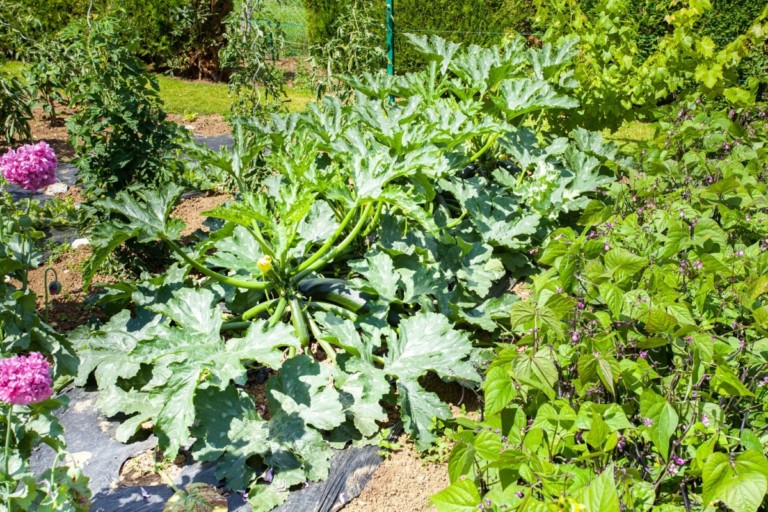
Zucchini (Cucurbita pepo var. cylindrica) is a beloved staple in home gardens, and for good reason. With just one or two plants, you can harvest a generous supply of vibrant, green fruits. Their mild, slightly sweet flavor makes zucchini a versatile ingredient for countless recipes. To maximize your harvest and prevent waste, consider preserving your zucchini surplus. Growing zucchini is straightforward if you provide the right conditions for thriving plants.
A smart way to enhance your zucchini yield is by planting companion crops. Intercropping provides benefits such as improved pollination, enriched soil fertility, and effective pest control—all while maximizing space and flavor in your garden.
1. Corn (Zea mays)
Corn and zucchini are a classic pairing dating back thousands of years. Known as the Three Sisters Garden, this planting technique was developed by indigenous peoples in North America over 3,500 years ago. The Three Sisters create a mutually beneficial relationship:
- Zucchini
- Corn
has broad leaves that act as a living mulch, shading the ground to reduce weeds and retain soil moisture.
shares similar sun and water needs, making them excellent neighbors in the vegetable patch.
2. Beans (Phaseolus vulgaris)
The third Sister, beans—particularly vining green beans—require support as they grow. Corn provides an ideal vertical structure for beans to climb. In return, beans enhance soil nitrogen levels thanks to a special type of bacteria, making nutrients available for nearby plants like zucchini.
Additionally, zucchini’s robust leaves help deter pests that might affect corn and beans.
3. Peas (Pisum sativum)
Much like beans, peas are nitrogen fixers that contribute to soil fertility. They thrive in cooler weather, with growth best between 55°F to 64°F (13°C to 18°C). By planting peas early, you enrich the soil before zucchini requires space to expand. Aim to harvest the peas just before the zucchini plants grow larger.
4. Blue Hubbard Squash (Cucurbita maxima ‘Blue Hubbard’)
This heirloom winter squash serves not only as a delicious vegetable but also as a trap crop for common pests like squash bugs and vine borers. By planting Blue Hubbard squash a couple of weeks before your zucchini, you can attract pests away from your prized zucchinis. Maintain adequate distance between them to prevent cross-pest infestation.
5. Borage (Borago officinalis)
Borage is an incredibly helpful companion for zucchini as it attracts pollinators like bees. This herb features edible leaves with a refreshing cucumber flavor and beautiful blue star-shaped flowers that bloom from June to August. Planting borage near zucchini enhances natural pollination throughout the growing season.
6. Nasturtium (Tropaeolum majus)
Nasturtiums bloom in vibrant red, orange, and yellow hues, attracting pollinators and deterring pests like aphids. Their attractive flowers create a colorful border around your vegetable garden while drawing harmful insects away from your zucchini. If aphids do appear, you can easily spot them on nasturtium leaves.
7. French Marigold (Tagetes patula)
French marigold plays multifaceted roles in the garden. Not only does it attract beneficial insects such as ladybugs and lacewings that control aphids, but it also deters threats like slugs and harmful nematodes. Blooming from June to frost, these cheerful flowers add beauty to your vegetable patch while enhancing its overall health.
8. Dill (Anethum graveolens)
Dill’s lovely foliage reaches heights of 3 to 5 feet and attracts beneficial insects like bees and butterflies. This fragrant herb also deters spider mites and aphids from affecting your zucchini. To enjoy the best flavor, harvest dill as its yellow flowers begin to bloom.
9. Catnip (Nepeta cataria)
Catnip is not just for feline friends; it’s also a great companion plant for zucchini. Its minty flavor makes it popular for herbal teas, while its flowers attract pollinators. Planting catnip at the edges of your garden can repel pests like aphids and squash bugs.
10. Chives (Allium schoenoprasum)
Chives are an aromatic herb that not only enhances your dishes but also repels pests like aphids and cucumber beetles. Allowing chives to flower attracts more beneficial insects, creating a healthier garden ecosystem.
Plants to Avoid Growing Alongside Zucchini
1. Potatoes
Potatoes and zucchini both demand substantial nutrients, leading to competition that can stunt their growth. In humid conditions, the risk of blight—a fungal disease—amplifies when these plants are sown close to one another.
2. Pumpkins
Both pumpkins and zucchini are sprawling plants that can easily overtake each other. With limited space, they will compete for resources, and their close proximity can lead to undesirable cross-pollination.
Conclusion
Choosing the right companion plants for zucchini can enhance your garden’s health, yield, and flavor. By integrating these beneficial plants and avoiding common pitfalls, you can create a thriving vegetable patch that’s both productive and beautiful. Happy gardening!