Revive Your Orchids: 5 Tips to Boost Root Growth After Flowering
Revive Your Orchids: 5 Tips for Boosting Root Growth After Flowering
- Understanding Orchid Roots
- Best Care Practices for Orchids
- Nourishing Your Orchids for Growth
- Common Mistakes in Orchid Care
- FAQ
After your stunning orchids have finished blooming, you might notice their roots looking less than vibrant. It’s a common concern for many orchid enthusiasts, but understanding how to care for these unique plants post-flowering can make all the difference in their health. Your orchids deserve a revival, and with the right approach, you can encourage robust root growth. Keep reading to discover effective strategies that will nurture your orchids back to health.
Understanding Orchid Roots
Orchid roots serve crucial functions, including nutrient absorption and anchoring your plant. Recognizing the characteristics of healthy roots can give you insight into their needs.
1. Characteristics of Healthy Roots
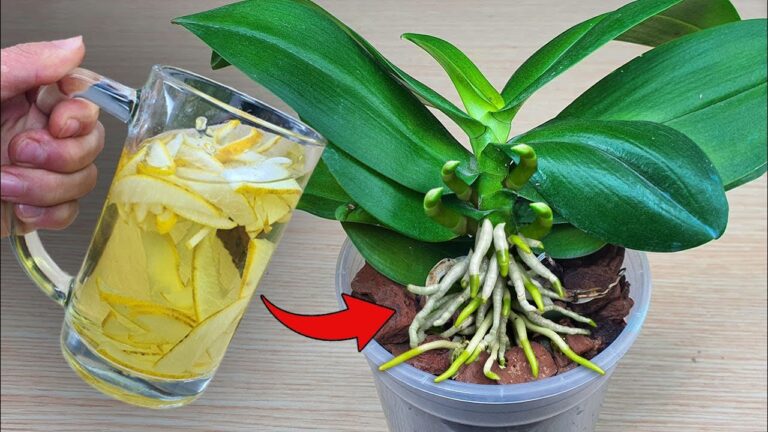
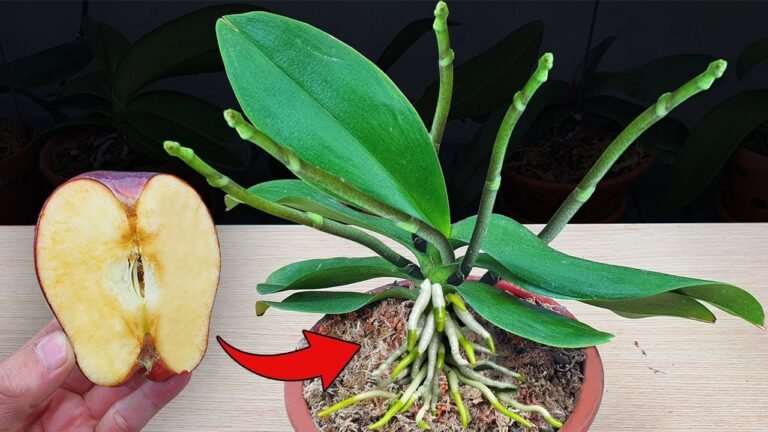
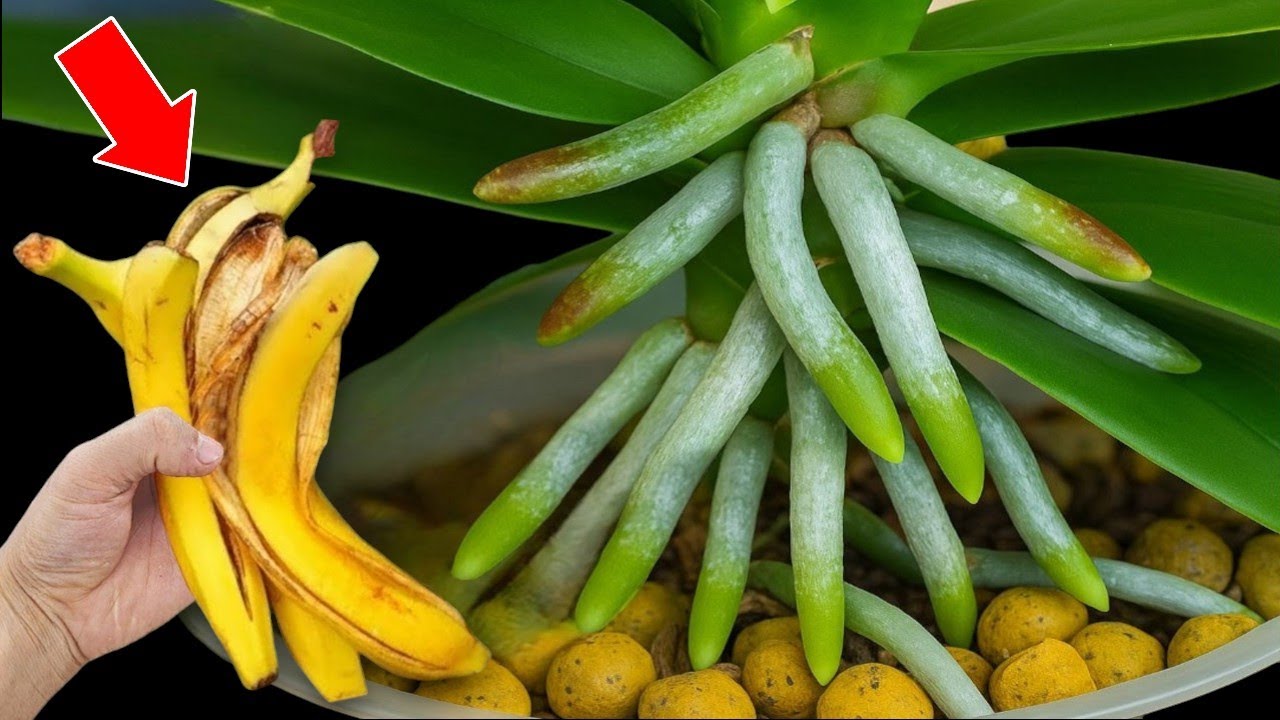
Healthy orchid roots are firm and have a greenish or silver hue. You should be able to gently tug on them without fear of damage. Observing these traits can help you gauge your plant’s overall health.
2. The Role of Roots in Growth
Roots play a vital role in photosynthesis and water uptake. Post-blooming, the focus shifts to strengthening these roots so your orchids can thrive for the next flowering cycle. Understanding this connection is essential.
3. Signs of Root Issues
Look for signs like mushy or blackened roots, which indicate rot caused by overwatering. This could hinder growth significantly. Addressing these issues early can change the trajectory of your plant’s health.
Best Care Practices for Orchids
After flowering, adjust your care routine to support root development. Here are effective strategies to enhance their health.
1. Adjusting Watering Habits
- Reduce the frequency of watering to allow the plant to dry slightly between sessions. This space can promote healthier root growth.
- Always check the potting medium for dryness before adding water.
- Use room-temperature water, as cold water can shock the roots.
2. Ideal Light Conditions
Orchids generally need bright, indirect sunlight after flowering. Too much direct light can damage the leaves, so positioning them near a filtered light source is key.
3. Providing Proper Humidity
Orchids thrive in environments with 40-60% humidity. If your home is dry, consider using a humidifier or grouping plants together to enhance moisture levels.
Nourishing Your Orchids for Growth
Nourishment is crucial for boosting root growth. Consider these approaches to provide your orchids with essential nutrients.
1. Choosing the Right Fertilizer
Select a fertilizer specifically designed for orchids. A balanced fertilizer with a higher phosphorus ratio can stimulate root growth effectively.
2. Fertilizing Schedule
Apply fertilizer every two weeks during the growing season, reducing it to once a month in the dormant period. This approach helps maintain nutrient levels without overwhelming the plant.
3. Using Organic Options
Organic options like fish emulsion or compost tea provide beneficial nutrients without chemical additives. These can contribute to healthier, more resilient roots.
Common Mistakes in Orchid Care
While caring for your orchids, it’s important to avoid certain pitfalls that can hinder their growth. Here are a few common mistakes.
1. Overwatering
A common error is watering too frequently, leading to root rot. It’s best to let the plant semi-dry before re-watering.
2. Ignoring Potting Medium
Using the wrong potting medium can suffocate roots. Ensure you’re using a mix designed for orchids to promote proper drainage and aeration.
3. Not Repotting When Necessary
Over time, the potting medium can break down, affecting root health. Repot your orchids every 1-2 years to refresh the medium and provide more space for root expansion.
FAQ
How often should I water my orchids after flowering?
Watering every 7 to 10 days is usually ideal, but always check the medium’s moisture level beforehand.
Can orchids be grown in regular potting soil?
No, regular potting soil retains too much moisture. It’s crucial to use a potting mix specifically for orchids.
What are the signs my orchid needs repotting?
Signs include roots growing outside of the pot, and an overall decline in plant health. Repotting can reinvigorate growth.
Reviving your orchids after their flowering phase involves careful adjustment in your care strategies. From understanding root health to avoiding common mistakes, implementing these tips can lead to prosperous growth. How have your orchids thrived post-blooming, and what challenges have you faced? Your experience can be an encouragement to others!