Unlock 1001 Orchid Blooms: Discover This Simple Rooting Secret!
Unlock 1001 Orchid Blooms: Discover This Simple Rooting Secret!
- Why Orchids Fail to Bloom
- Understanding Rooting for Orchids
- Step-by-Step Rooting Guide for Orchids
- Common Mistakes When Rooting Orchids
- FAQ
Orchids can be a stunning addition to your home, but many orchid lovers find themselves frustrated when their plants refuse to bloom. You may have noticed your beloved orchid sitting dormant, its potential blooms seemingly locked away. This situation can be disheartening, especially when you’ve put in so much care and attention. To uncover the secret to revitalizing your orchids and inspiring them to bloom, keep reading to explore the essential rooting techniques that can bring your orchids back to life.
Why Orchids Fail to Bloom
Understanding the reasons why your orchids may not be blooming is crucial to finding a solution. Several factors contribute to this issue, including improper care routines, environmental conditions, and rooting problems.
Environmental Factors
- Orchids thrive in specific light conditions. Too much or too little light can hinder blooming.
- Temperature plays a key role; most orchids prefer fluctuations between day and night temperatures.
- Humidity levels should ideally be between 40% and 60% for optimal growth.
Care Mistakes
- Overwatering: Excess moisture can lead to root rot, preventing blooms.
- Under-fertilizing: Nutrient deficiency can affect flowering; proper orchid food is vital.
- Wrong potting medium: Use a medium that allows for good airflow and drainage.
Understanding Rooting for Orchids
Strong roots are essential for healthy orchids. These roots provide the nutrients and support necessary for your orchids to thrive and produce beautiful blooms.
Importance of Root Health
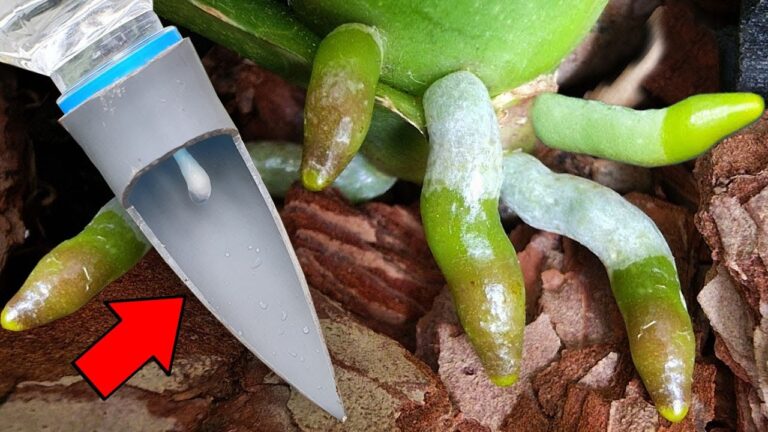
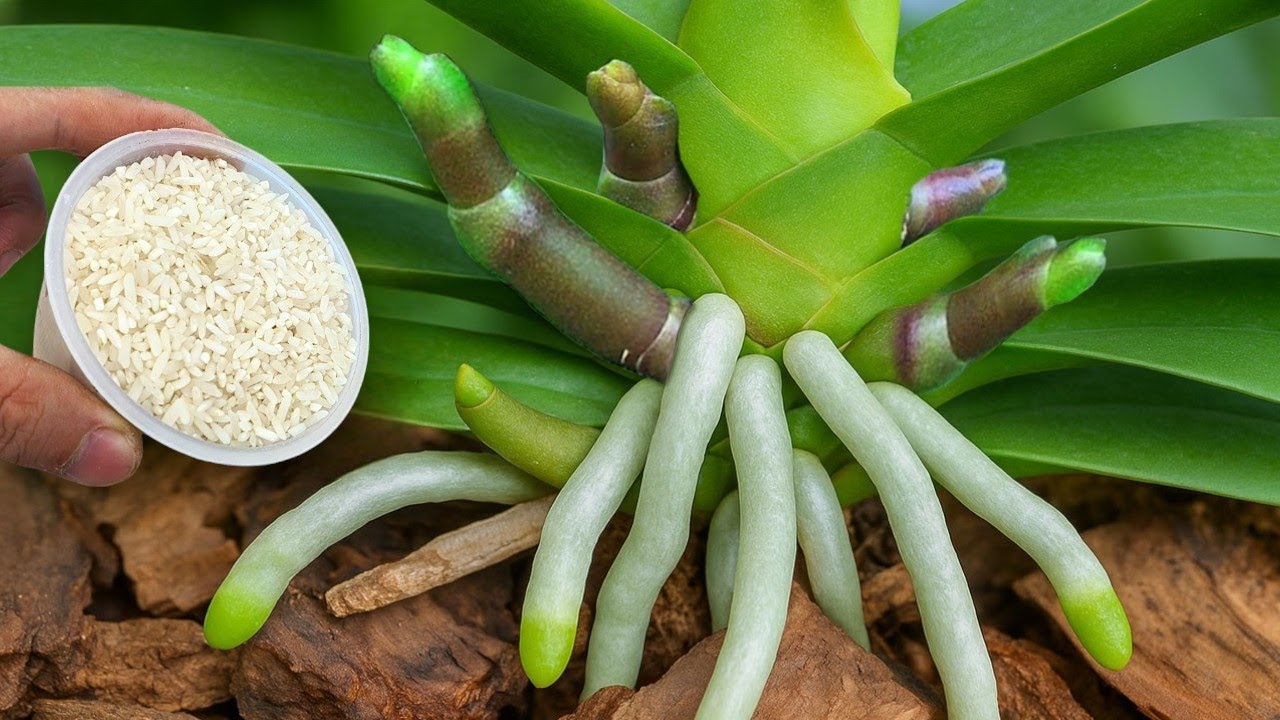
Healthy roots absorb water and nutrients effectively. An orchid with compromised roots will struggle to flourish, leading to potential dormancy or even plant death. You can assess root health by checking if they are firm and green. If they’re brown or mushy, it indicates a problem.
Rooting Techniques
- Water Propagation: Place roots in a glass of water until new growth appears.
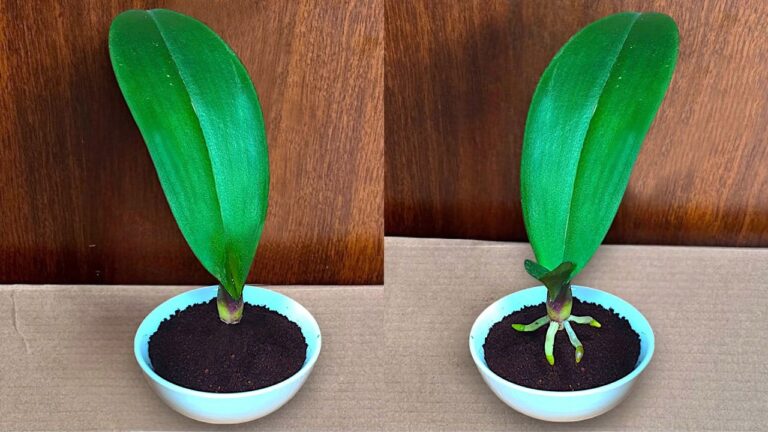
- Medium Propagation: Use a well-draining mix such as bark or sphagnum moss.
- Root Hormones: Consider using rooting hormone powder to stimulate growth.
Step-by-Step Rooting Guide for Orchids
To breathe new life into your orchids, follow this detailed guide to rooting them properly.
Required Materials
- Clean potting container
- Orchid-specific potting mix
- Rooting hormone (optional)
- Water spray bottle
Step-by-Step Process
- Examine the orchid: Check for healthy roots and cut away any dead or damaged ones.
- Prepare the pot: Fill your pot with fresh potting medium, ensuring it’s well-drained.
- Position your orchid: Place the roots into the medium gently and avoid overcrowding.
- Water appropriately: Mist the roots lightly and ensure no standing water exists in the pot.
- Monitor growth: Place the pot in indirect light and maintain humidity for optimal rooting.
Practical Tips for Success
- Check humidity levels routinely, especially in drier months.
- Limit fertilizing until you see new root or leaf growth.
- Be patient; rooting can take time before your orchids are ready to bloom again.
Common Mistakes When Rooting Orchids
Even seasoned gardeners can make errors when it comes to rooting orchids. Here are some common pitfalls.
Mistake 1: Overwatering
Excessive water can drown the roots. Ensure that your pot has drainage holes and only water when necessary.
Mistake 2: Choosing the Wrong Medium
Not all potting mixes are suitable for orchids. Stick to specialized mixes that allow airflow and drainage.
Mistake 3: Lack of Patience
Rooting takes time, and rushing the process can lead to more harm than good. Observe your orchids and allow them to adjust to their new environment.
FAQ
1. How often should I water my orchids?
Watering frequency can vary based on the environment, but generally, it’s best to water once every week to two weeks, allowing the medium to dry out between waterings.
2. What should I do if my orchid roots are rotten?
If you find any rotten roots, carefully trim them away before repotting the orchid in fresh, suitable potting medium to encourage healthy growth.
3. When will my orchid bloom again?
After successful rooting, your orchid may take several months to bloom again, depending on its health and environmental conditions.
To summarize, proper understanding of rooting can significantly enhance your orchid’s blooming potential. Avoid common mistakes and implement the tips detailed above. What rooting methods have you found successful for your orchids? Share your experiences in the comments below!