
4 Foods That Make Your Gas Smell Terrible – Discover the Surprising Reasons!
4 Foods That Make Your Gas Smell Terrible — Discover the Surprising Reasons!
- Common Causes of Smelly Gas
- Problematic Foods That Contribute
- The Importance of Diet in Digestion
- Mistakes to Avoid for Better Digestion
- FAQ
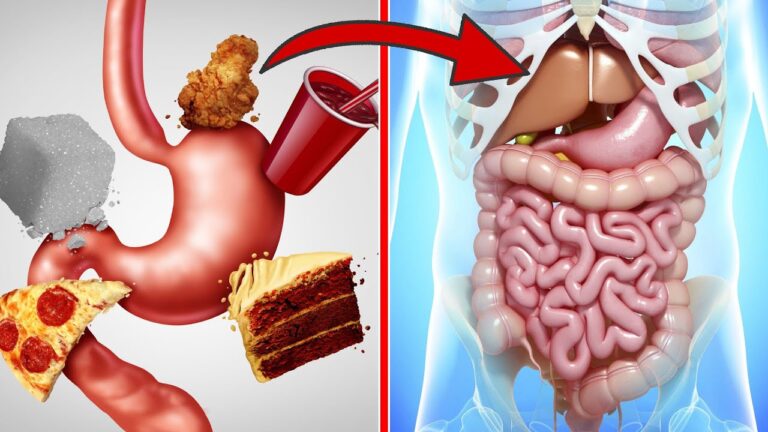
If you’ve ever found yourself in an embarrassing situation after eating, you’re not alone. Many people experience discomfort and unpleasant odors after meals, often attributing it to certain foods they consume. While everyone’s digestive system is unique, some foods are notorious for their effects on gas. Understanding these can help you better manage your diet and health. Let’s delve into the foods that may be responsible and learn how you can mitigate these effects.
Common Causes of Smelly Gas
The digestive process is complex, and various factors can contribute to foul-smelling gas. Here are some common causes that you may want to consider:
1. Bacterial Fermentation
Within your gut, bacteria work hard to break down food. This process can produce gases as byproducts, with some bacteria leading to particularly pungent odors.
2. Food Intolerances
If you struggle to digest certain foods, your body may produce excess gas. Common intolerances include lactose and gluten, which can lead to sour-smelling gas.
3. Slow Digestion
A sluggish digestive system means food spends more time in your gut, allowing bacteria additional time to produce gas. This can also intensify the smell.
Problematic Foods That Contribute
Understanding what you eat is vital in managing smelly gas. Here’s a list of foods that are commonly known to cause issues:
- Beans: Rich in fiber, beans are also high in oligosaccharides, which can lead to intense gas production.
- Cabbage: This cruciferous vegetable is known for its sulfur content, which can create foul odors when digested.
- Dairy products: For those with lactose intolerance, consuming dairy can lead to unexpected gas issues.
- Onions: These flavorful additions can produce a strong smell during digestion, especially if consumed in large amounts.
- Carbonated drinks: Bubbles in drinks can introduce extra air into your digestive system, leading to discomfort and gas.
Tips for Identifying Triggers
Keep a food diary for a week to track what you eat and any unpleasant symptoms. This can help pinpoint specific foods that trigger odorous gas.
The Importance of Diet in Digestion
Adjusting your diet can have a profound impact on your digestive health. Here are some considerations to keep in mind:
1. Balance Your Fiber Intake
While fiber is essential for digestion, increasing it gradually can ease intestinal upset. Too much fiber at once can cause gas.
2. Stay Hydrated
Drinking enough water aids digestion and can help soften stool, making it easier to move through your system.
3. Chew Your Food Thoroughly
Properly chewing food breaks it down into smaller pieces, making it easier for your digestive system to handle, thus reducing gas production.
Mistakes to Avoid for Better Digestion
Making simple adjustments can lead to better digestive health. Here are some common mistakes to steer clear of:
- Overeating: Consuming large portions can overwhelm your digestive system and lead to excess gas.
- Eating too quickly: Rushing through meals often results in swallowing air, which can contribute to gas.
- Neglecting physical activity: Regular exercise promotes gut motility and can facilitate smoother digestion.
- Ignoring food intolerances: Identifying and avoiding foods that trigger discomfort is crucial for better digestive health.
FAQ
What foods help reduce gas?
Foods rich in probiotics, like yogurt and kefir, can support gut health and reduce gas production.
Can stress cause smelly gas?
Yes, stress can impact digestion and lead to increased gas and bloating.
How long does it take for gas to pass?
Gas can typically pass through the body within a few hours after eating, but this varies for each individual.
In summary, understanding the foods that contribute to smelly gas is essential for managing your digestive health. By making informed dietary choices and avoiding common mistakes, you can significantly reduce discomfort. What foods have you noticed affect your digestion the most? Feel free to share your experiences!