
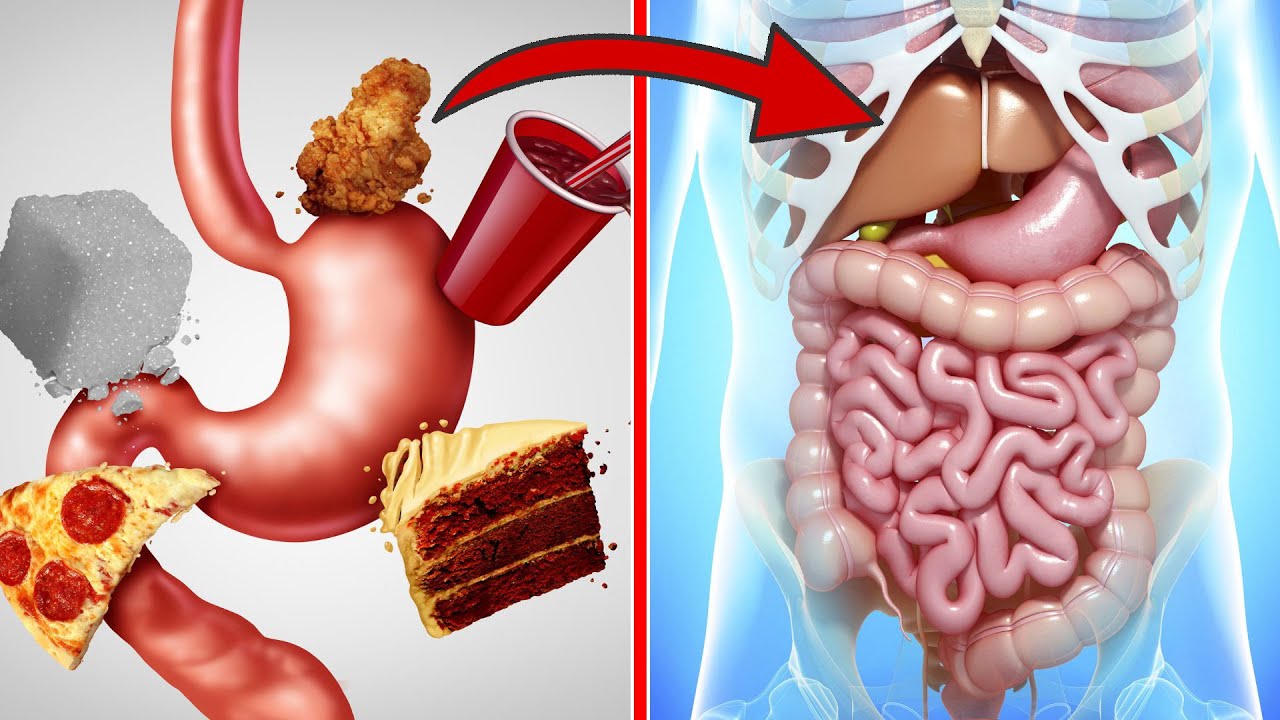
4 Digestive Symptoms You Should Never Ignore for Better Health!
4 Digestive Symptoms You Should Never Ignore for Better Health
If you’ve ever experienced a prolonged discomfort after eating or noticed something unusual in your digestion, you may find yourself wondering if it’s time to pay attention. Digestive symptoms can often be brushed aside or attributed to temporary discomforts, but some of them could indicate underlying health concerns. Knowing which symptoms warrant your attention is essential for maintaining good health. Let’s explore the digestive symptoms you should never ignore to safeguard your well-being.
Understanding Digestive Symptoms
Digestive symptoms can range from mild discomfort to severe signs of illness. Recognizing the key digestive symptoms can help you take proactive steps toward better health. Symptoms can signal anything from routine digestive disorders to more serious health implications. Here are a few categories of symptoms to keep an eye on:
1. Common Symptoms
- Bloating: This is often experienced after meals and can be caused by various factors like overeating or intolerances.
- Constipation: A condition where bowel movements are infrequent or difficult, often linked to diet and hydration.
- Diarrhea: Frequent looser stools can signify infections or dietary issues.
2. Emotional and Physical Connections
Many people might not realize that emotional stress can contribute to digestive problems. Conditions like irritable bowel syndrome (IBS) are closely related to stress and anxiety levels. Being mindful of this connection is crucial for your overall digestive health.
Common Digestive Symptoms You Should Be Aware Of
There are specific digestive symptoms that you should never ignore, as they could indicate more severe health issues. Here’s a closer look at these symptoms:
1. Persistent Heartburn
While occasional heartburn can be common, persistent heartburn that becomes frequent may suggest gastroesophageal reflux disease (GERD). It’s essential to consult a healthcare provider if this symptom persists.
2. Unexplained Weight Loss
Sudden weight loss that is unexpected can be a sign of a serious digestive condition. It’s vital to observe any changes and discuss them with your doctor.
3. Black or Bloody Stools
Noticing black or bloody stools can be alarming. This symptom might indicate bleeding in the digestive tract, requiring immediate medical attention.
4. Severe Abdominal Pain
If you’re experiencing severe pain that doesn’t subside, it can be a sign of a serious condition like appendicitis or gallstones. Paying attention to this discomfort is vital.
When to Seek Help
Understanding when to consult a healthcare provider is crucial for your digestive health. Below are guidelines for seeking assistance:
1. Duration of Symptoms
If symptoms last more than a few days or intensify, contact your healthcare provider. Prolonged issues should never be overlooked.
2. Accompanying Symptoms
Pay attention to any additional symptoms such as fever, fatigue, or jaundice, as they can indicate more serious health problems that require prompt attention.
3. Family History
If you have a family history of digestive disorders, it’s wise to be vigilant about any symptoms you experience. Early detection can make a significant difference.
Mistakes to Avoid
When it comes to digestive health, awareness is key. Here are some common mistakes that people often make:
1. Ignoring Symptoms
Overlooking symptoms can result in more significant health complications in the future. Always take your body signals seriously.
2. Relying on Home Remedies Alone
While natural remedies can be beneficial, relying solely on them without consulting a healthcare professional is risky, especially for persistent issues.
3. Self-Diagnosing
Many individuals attempt to self-diagnose based on online information, which may lead to confusion or anxiety. Always seek a professional opinion for clarity.
FAQ
1. What are the signs that indicate I need to see a doctor?
If you experience persistent heartburn, unexplained weight loss, or severe abdominal pain, it’s crucial to see a healthcare provider.
2. Can stress affect my digestive health?
Yes, emotional stress can lead to various digestive symptoms, including exacerbating conditions like acid reflux or IBS.
3. Are there lifestyle changes that can help improve digestive health?
Adopting a balanced diet, staying hydrated, and managing stress levels can significantly enhance your digestive health.
In summary, being aware of the digestive symptoms you should never ignore is essential for maintaining your health. It’s important to listen to your body and consult with a healthcare provider when needed. What digestive symptom have you experienced that made you seek help? Share your thoughts in the comments below.