Discover 5 Secrets to Fixing Car Bumper Cracks You Didn’t Know Existed!
5 Secrets to Fixing Car Bumper Cracks You Didn’t Know Existed
- Introduction
- Understanding Bumper Cracks
- Essential Repair Materials
- Repair Techniques for Bumper Cracks
- Common Mistakes to Avoid
- FAQ
- Conclusion
Introduction
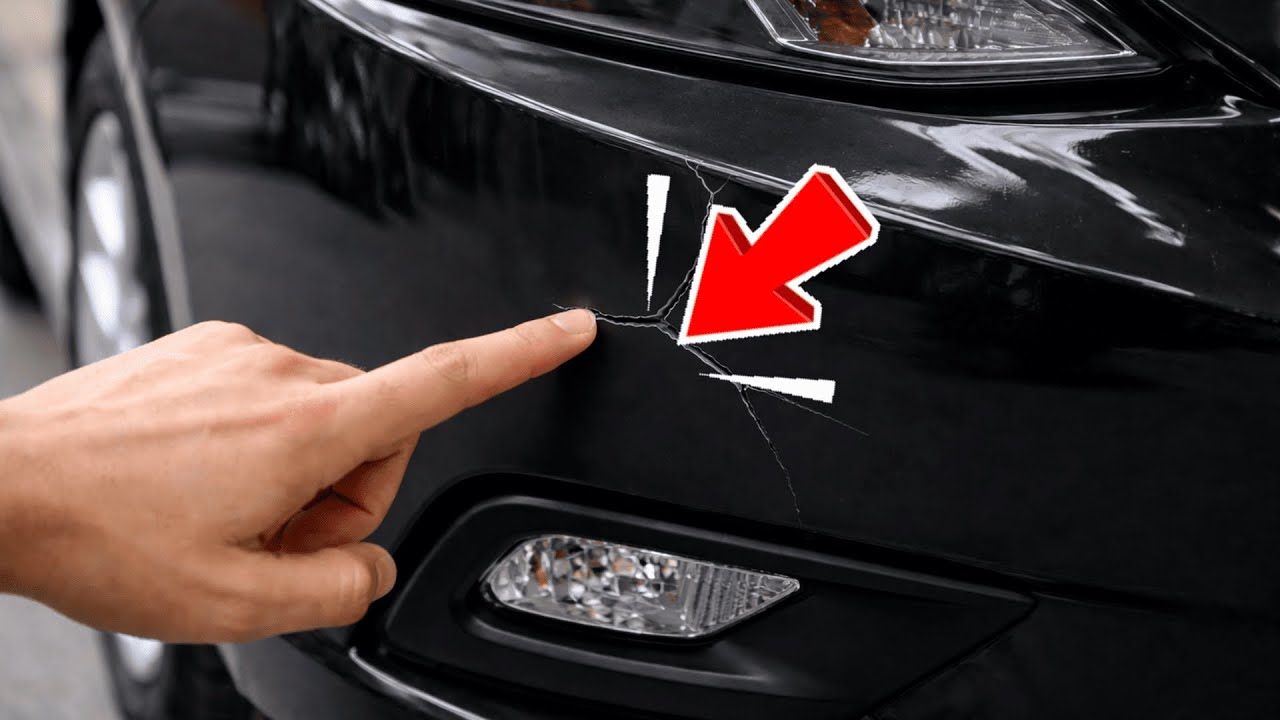
Picture this: you’ve just parked your car, but upon returning, you notice a fresh crack in the bumper. It’s frustrating, uncertain whether it’s a simple fix or something more costly. Many car owners might panic or shy away from DIY repairs, fearing that the task is beyond their skill set. However, understanding how to address bumper cracks can save you time and money. Let’s dive into secrets that could help you tackle this issue effectively.
Understanding Bumper Cracks
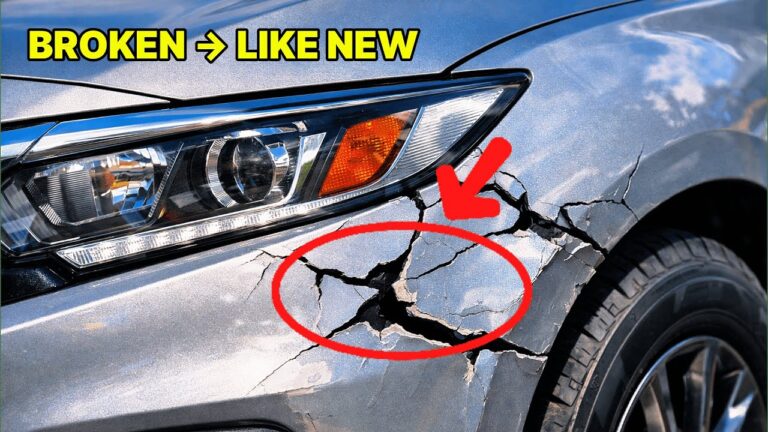
Before diving into repairs, it’s important to grasp the nature of bumper cracks. These cracks can occur for various reasons, often stemming from minor accidents, impacts, or even extreme weather conditions. Recognizing these causes can guide your repair approach.
1. Types of Bumper Damage
- Surface Cracks: These are minor cracks that don’t affect the structural integrity but can lead to further damage if ignored.
- Deep Cracks: This type extends deeper into the bumper material and may require more intensive repair techniques.
- Missing Pieces: In some cases, parts of the bumper may be missing, necessitating additional repair components.
2. Causes of Bumper Cracks
- Accidental Impacts: Low-speed collisions often cause visible cracks.
- Environmental Factors: Sun exposure and extreme temperatures can weaken bumper materials over time.
- Aging Materials: Older bumpers may become brittle, making them more susceptible to cracking.
Essential Repair Materials
Having the right materials at your disposal is critical for a successful repair. Here’s a list of items you will need:
1. Recommended Tools and Materials
- Plastic Bumper Repair Kit: These kits often include epoxy, fiberglass, and adhesives specifically designed for bumper repairs.
- Sanding Paper: Use varying grits for smoothing out surface cracks.
- Heat Gun: Helpful for reshaping and softening the plastic for better adhesion.
2. Protective Gear
- Gloves: Protect your hands from chemicals and sharp edges.
- Safety Glasses: Shield your eyes while working, especially during sanding or cutting.
Repair Techniques for Bumper Cracks
With the right materials ready, you can choose from various methods to repair cracks.
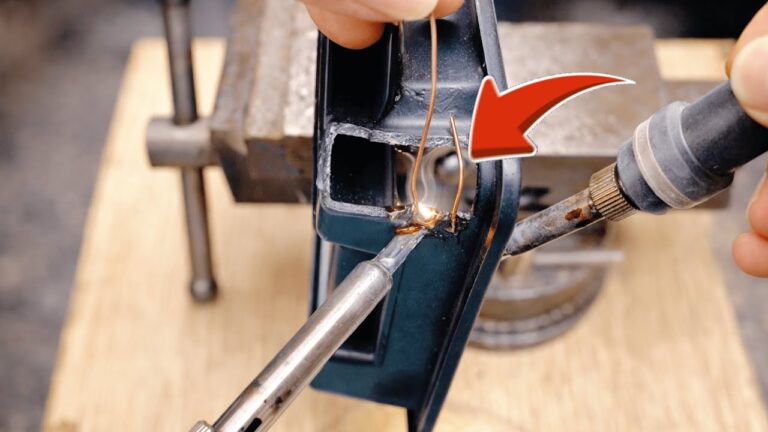
1. Surface Crack Repair
- Clean the Area: Use soap and water to clean any dirt from the cracked area.
- Sand the Crack: Lightly sand the crack to create a good surface for adhesion.
- Apply Epoxy: Mix and apply the epoxy according to the product instructions.
- Let it Cure: Allow the epoxy to fully cure as directed before sanding smooth.
2. Deep Crack and Missing Piece Repair
- Prepare the Crack: Clean and sand the area, similar to surface repairs.
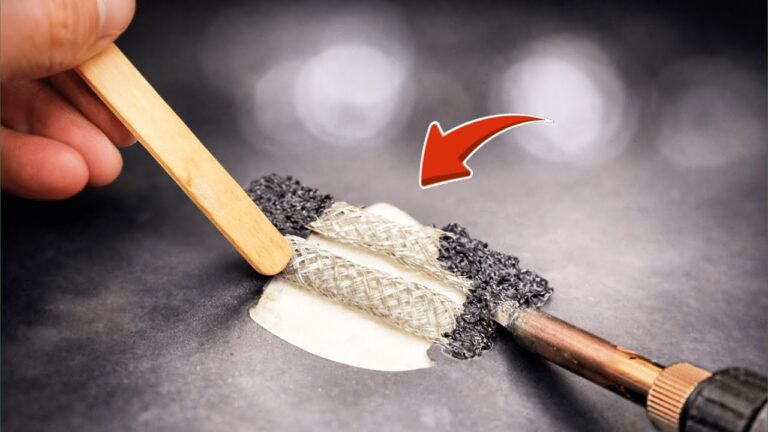
- Apply Fiberglass: If the piece is missing, use fiberglass strips to create a sturdy foundation.
- Fill with Epoxy: Cover the fiberglass with epoxy to seal and strengthen the repair.
- Finish Smooth: Sand down the area once it has cured for a seamless finish.
Common Mistakes to Avoid
When tackling bumper repairs, it’s easy to overlook essential steps that can affect the outcome. Here are some mistakes to watch out for:
- Skipping Preparation: Failing to clean and sand the area can lead to poor adhesion of the repair materials.
- Using Incompatible Materials: Not all adhesives work well with every bumper type; make sure your materials are suitable for your specific bumper.
- Rushing the Process: Allowing insufficient curing time can weaken the repair, leading to future issues.
FAQ
How long does it take for bumper repair epoxy to cure? It typically takes about 24 hours for most epoxies to cure completely, but always check the product instructions.
Can I paint over repaired bumper cracks? Yes, once the repair is fully cured and sanded, you can paint over it to match your car’s color.
What if the damage is too severe for a DIY fix? If the cracks are too deep or extensive, consulting a professional might be the best option.
Conclusion
Repairing car bumper cracks is entirely possible with the right knowledge and materials. By avoiding common mistakes and applying effective techniques, you can restore your bumper’s appearance and functionality. Have you attempted any DIY repairs on your car? Share your experiences in the comments below!