5 Genius Plastic Repair Hacks with Metal Reinforcement You Need to Try!
5 Essential Plastic Repair Hacks Using Metal Reinforcement
- Introduction
- Understanding Plastic Repair
- Materials Needed
- Repair Techniques
- Mistakes to Avoid
- FAQ
- Conclusion
Introduction
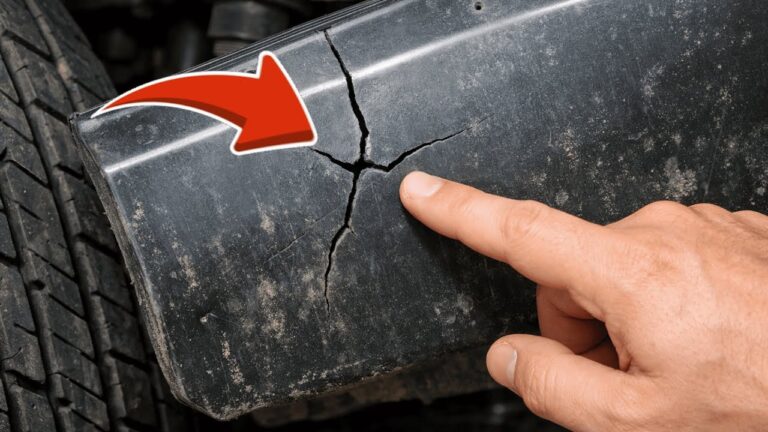
Have you ever faced the frustration of cracked plastic items around your home? Whether it’s a beloved garden chair or an essential kitchen gadget, these broken pieces can be more than just unsightly. Thankfully, there are effective methods to restore them using a simple metal reinforcement approach. This guide will walk you through five practical hacks to repair your plastic items, ensuring they are as good as new. Read on to discover the techniques that can save your plastic possessions.
Understanding Plastic Repair
Plastic repair can be tricky, but understanding the basics will set you on the right path. Different types of plastics require different repair methods. Here’s a closer look.
Common Types of Plastics
- Polyethylene: Often used for containers and toys, it requires specialized adhesives.
- Polypropylene: This plastic is common in automotive parts and can be more challenging to bond.
- Acrylic: Frequently used for display cases, it can be melted and reshaped.
Benefits of Metal Reinforcement
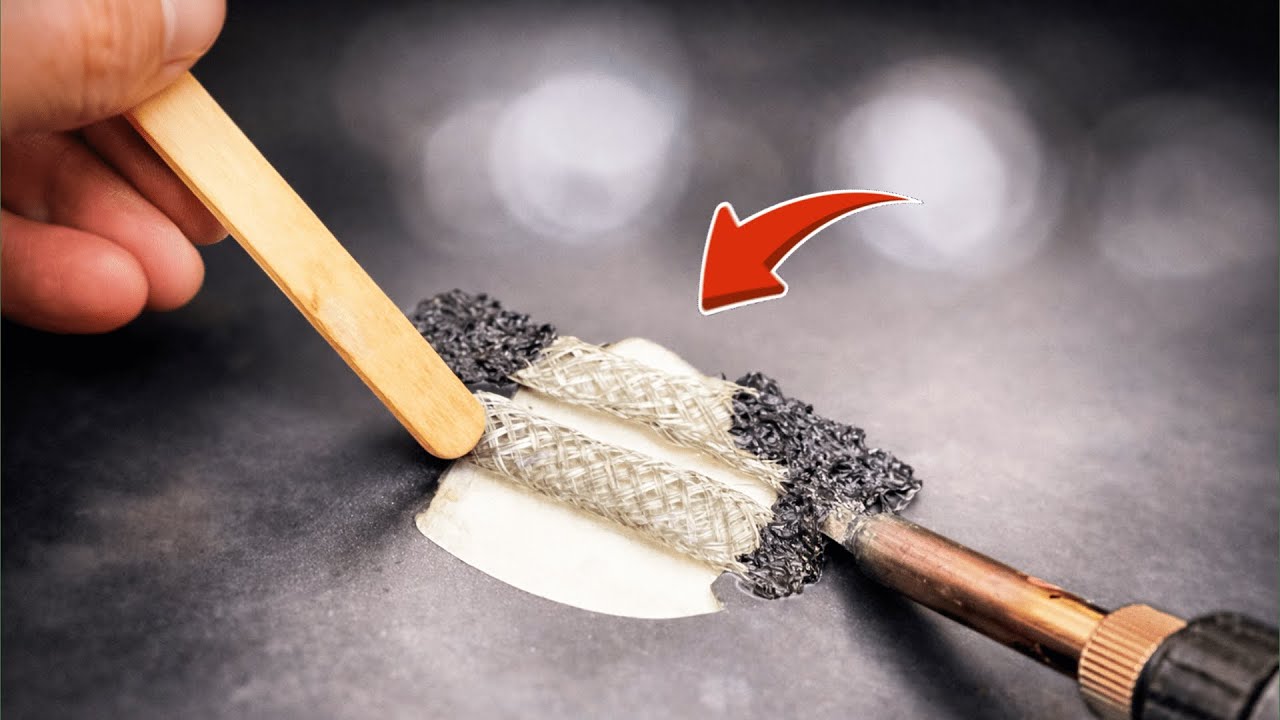
Using metal reinforcement in your repairs strengthens the bond and adds durability. This is especially useful for items that endure stress or weight. The metal provides stability, making your repairs last longer.
Materials Needed
Gathering the right materials is essential for a successful repair job. Here’s what you’ll need:
- Plastic adhesive: Choose one suitable for the type of plastic you are repairing.
- Metal sheets or plates: Thin sheets work best for reinforcement.
- Sandpaper: Use this for smoothing the edges of the plastic.
- Clamps: Vital for holding the item in place while the adhesive dries.
- Protective gloves: Keep your hands safe while working with adhesives and metal.
Repair Techniques
Now that you have your materials ready, let’s explore the five repair hacks that utilize metal reinforcement.
1. The Simple Crack Repair
For minor cracks, follow these steps:
- Clean the area around the crack thoroughly.
- Apply plastic adhesive along the crack.
- Cut a piece of metal sheet that will cover the crack and adhere it over the top.
- Clamp the item until the adhesive is fully cured.
2. Reinforced Corner Repair
For broken corners of plastic items:
- Sand the edges of the break to create a rough surface for better adhesion.
- Adhere the broken edges together using plastic adhesive.
- Cut a metal corner brace to reinforce the joint inside, then clamp it until set.
3. Replacing a Broken Handle
If a plastic handle breaks:
- Remove any remnants of the old handle.
- Attach a metal piece to act as the new handle support with plastic adhesive.
- Allow it to set before using the item again.
4. Creating a Strong Support Brace
For larger items that require extra support:
- Identify where the support is needed.
- Shape the metal sheet to fit the curvature of the plastic item.
- Glue the metal support in place with plastic adhesive, then clamp.
5. Securing Loose Parts
If parts are becoming loose:
- Fill any gaps with plastic adhesive.
- Apply a metal reinforcement beneath for added strength.
- Secure everything in place with clamps during the drying time.
Mistakes to Avoid
When tackling plastic repairs using metal reinforcement, it’s easy to make a few mistakes. Here are some to watch out for:
- Using the wrong adhesive: Always check compatibility with the plastic type.
- Over-applying adhesive: Excess can lead to longer drying times and messy results.
- Neglecting the drying time: Rushing to use the item can compromise the repair.
- Skipping surface preparation: A clean, roughened surface allows for better adhesion.
- Overloading repaired items: Give repaired areas time to regain strength before use.
FAQ
What type of adhesive works best for plastic repairs?
Look for adhesives specifically designed for plastics, ensuring they are compatible with the type you are working with. Epoxy and cyanoacrylate are common choices.
Can all plastics be repaired with metal reinforcement?
While many types can, it’s crucial to check the compatibility of the adhesive and reinforcement method with the plastic material. Some require special treatment.
Is it necessary to use metal reinforcement for all repairs?
Metal reinforcement is beneficial for structural repairs, especially under stress. For cosmetic fixes on non-load bearing items, it may not be necessary.
Conclusion
Using metal reinforcement for your plastic repairs can provide lasting strength and stability, making your items functional again. By avoiding common mistakes and following these techniques, you’ll be able to salvage many of your favorite plastic possessions. What’s the most challenging plastic item you’ve had to repair? Share your experiences in the comments below!