7 Secrets to Make Your Orchid Bloom Nonstop with One Simple Pour!
7 Secrets to Make Your Orchid Bloom Nonstop with One Simple Pour
- Understanding Orchids
- Effective Watering Techniques
- Fertilization Tips for Orchids
- Environmental Factors to Consider
- Common Mistakes to Avoid
- FAQs
Orchids are beloved for their stunning beauty, but if you’ve ever struggled to keep them blooming, you’re not alone. Many orchid enthusiasts find themselves perplexed when their plants fail to produce flowers, despite adhering to care guidelines. The good news is that achieving a continuous bloom can be simpler than you think. Read on to discover effective strategies to nurture your orchids into a sea of color, ensuring they thrive beautifully.
Understanding Orchids
Orchids belong to one of the largest families of flowering plants, making them incredibly diverse. Knowing a few basic facts can significantly enhance your care routine.
Types of Orchids
There are thousands of orchid species, each with unique care requirements. Some popular types include:
- Phalaenopsis: Known for their stunning flat flowers, ideal for beginners.
- Cattleya: These often produce large, fragrant blooms in vibrant colors.
- Dendrobium: A variety that typically blooms seasonally and is quite resilient.
Basic Orchid Care Requirements
Understanding the basic needs of orchids is crucial for keeping them healthy:
- Light: Most orchids prefer bright, indirect sunlight.
- Humidity: They thrive in high humidity, ideally around 50-70%.
- Temperature: Daytime temperatures of 70-80°F and nighttime around 60-70°F are ideal.
Effective Watering Techniques
Improper watering is one of the biggest culprits behind poor orchid performance. Here’s how you can master this crucial aspect of orchid care.
Understanding Water Needs
Orchids do not thrive in soggy soil. It’s important to understand the watering needs based on your orchid type and potting medium:
- Soak the plant thoroughly and let it drain.
- Water less frequently in winter, as growth slows in cooler months.
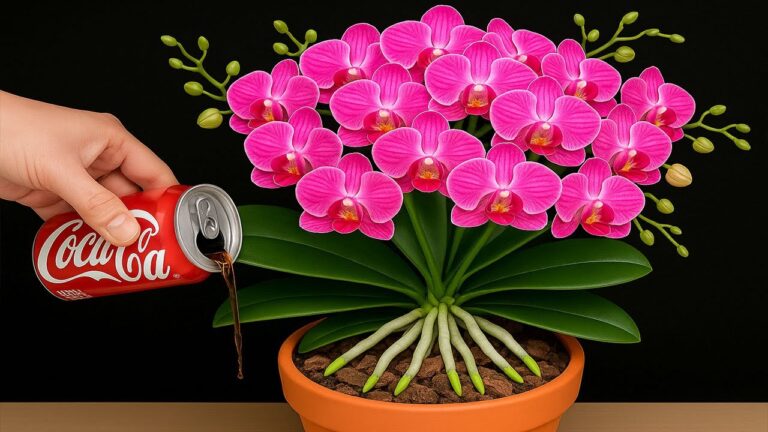
One Simple Pour Method
This technique can transform your watering routine:
- Fill a bowl or pot with water. Aim for room temperature.
- Submerge the pot up to the rim (but ensure no water enters the crown).
- Let the plant soak for 15-20 minutes before draining completely.
Fertilization Tips for Orchids
Fertilizing your orchids is essential for promoting vibrant blooms. Here’s how to make sure your plants get the nutrients they need without overdoing it.
Choosing the Right Fertilizer
Look for fertilizers specifically formulated for orchids. They contain balanced nutrients tailored to their unique requirements. A common ratio is:
- 30-10-10: High nitrogen promotes leafy growth and blooms.
- 20-20-20: Balanced formulation for overall health.
Fertilizing Schedule
Applying fertilizer too often can lead to salt buildup, which can harm your plants. Consider these tips:
- Feed every 2-4 weeks during the growing season (spring and summer).
- Reduce frequency to once a month or less during dormancy (fall and winter).
Environmental Factors to Consider
Your orchids’ environment plays a significant role in their blooming success. Pay attention to these aspects:
Humidity and Airflow
In maintaining appropriate humidity levels:
- Use humidity trays or a humidifier as needed.
- Ensure good airflow by placing fans nearby or using a space that isn’t too crowded.
Potting Medium
The right potting medium helps with drainage and moisture retention:
- Orchid bark: Helps the roots breathe while retaining moisture.
- Sphagnum moss: Suitable for orchids needing more moisture but can hold too much if overwatered.
Common Mistakes to Avoid
Even seasoned plant lovers can overlook essential care tips. Here are some common pitfalls:
Watering Errors
- Overwatering is the most frequent issue, leading to root rot.
- Watering at the same time each week without considering changes in temperature and humidity.
Ignoring Signs of Stress
- Brown tips on leaves can signal low humidity or over-fertilization.
- Wilting leaves may indicate inadequate watering or poor drainage.
Not Repotting Regularly
- Failing to repot every 1-2 years can lead to stunted growth.
- Leaving old potting mix can prevent roots from absorbing water and nutrients.
FAQs
How often should I water my orchids?
Typically, you should water your orchids once a week. However, it’s essential to check the moisture level of the potting medium before watering, especially during winter when the plant’s growth may slow.
When is the best time to fertilize orchids?
Fertilizing during the growing season, which is usually in spring and summer, is best. Use a diluted orchid fertilizer every 2-4 weeks for optimal results.
Why are my orchid leaves turning yellow?
Yellow leaves can indicate various issues, including overwatering, insufficient light, or nutrient deficiencies. Assess the care conditions to identify the underlying issue.
Creating a thriving environment for your orchids involves understanding their needs, especially regarding watering, fertilization, and environmental factors. By taking these steps, you can help your orchids produce beautiful blooms constantly. Do you have any tips or experiences with orchid care? Feel free to share in the comments below!