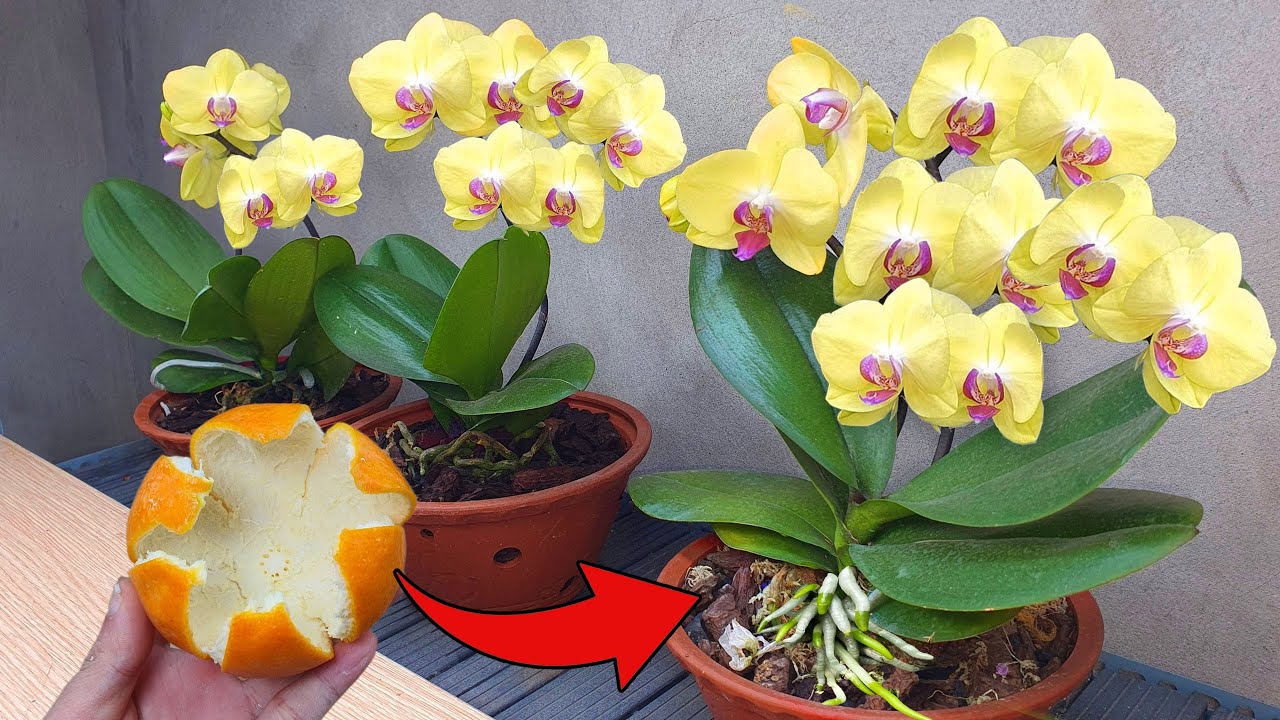
5 Secrets to Keep Your Orchids Blooming All Year Round!
5 Secrets to Keep Your Orchids Blooming All Year Round
- Understanding Your Orchids
- Creating the Ideal Environment
- Watering and Fertilizing Tips
- Common Mistakes to Avoid
- Frequently Asked Questions
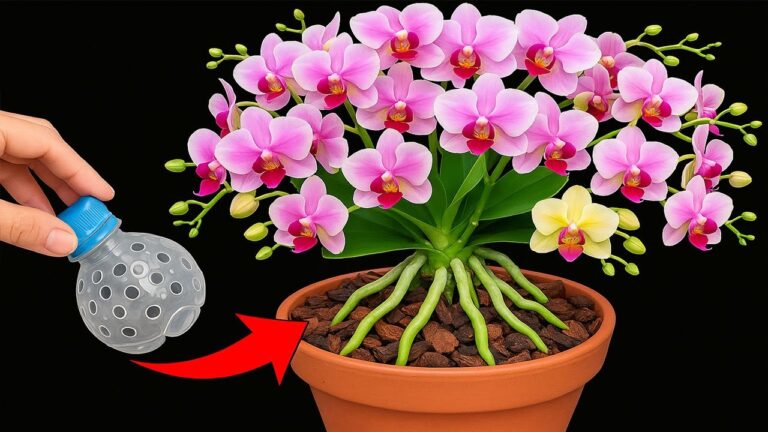
Orchids can bring a touch of elegance to any space with their stunning flowers, but many enthusiasts find it challenging to keep them blooming consistently. If your orchids seem to bloom only sporadically, you’re not alone. Many factors play a role in their growth and flowering cycles, and understanding these can make all the difference. Keep reading to discover how you can create the perfect conditions for your orchids to thrive.
Understanding Your Orchids
Before diving into care techniques, it’s essential to understand the specific type of orchids you have. Not all orchids are created equal, and they have unique needs.
1. Different Types of Orchids
- Phalaenopsis: Common and user-friendly, these orchids thrive in lower light conditions.
- Cattleya: Known for their large blooms, they require brighter light and well-drained potting media.
- Dendrobium: These need a distinct resting period after blooming and prefer cooler temperatures.
2. Seasonal Changes
Orchids may react differently depending on the season. Understanding their flowering cycle can help you anticipate their needs throughout the year.
3. Signs of Stress
Look for drooping leaves, discolored flowers, or stunted growth to gauge your orchid’s health. Address these issues promptly to promote blooming.
Creating the Ideal Environment
A suitable environment can significantly impact your orchids’ health and blooming cycles.
1. Light Conditions
Orchids generally prefer bright, indirect light. A north or east-facing window often provides optimal lighting. Use sheer curtains to filter harsh sunlight that may scorch their leaves.
2. Temperature and Humidity
Most orchids thrive in temperatures between 65°F and 75°F (18°C – 24°C) during the day and a bit cooler at night. Humidity levels around 50-70% are ideal. Consider using a humidity tray or misting to maintain these levels.
3. Air Circulation
Good airflow is vital for preventing mold and rot. Ensure that the area where you place your orchids allows for proper ventilation.
Watering and Fertilizing Tips
Proper watering and fertilizing practices are vital for promoting consistent blooms.
1. Watering Techniques
- Check the Media: Always check the potting medium before watering. If it’s dry several inches down, it’s time to water.
- Water Thoroughly: When you do water, ensure it deeply soaks through the drainage holes.
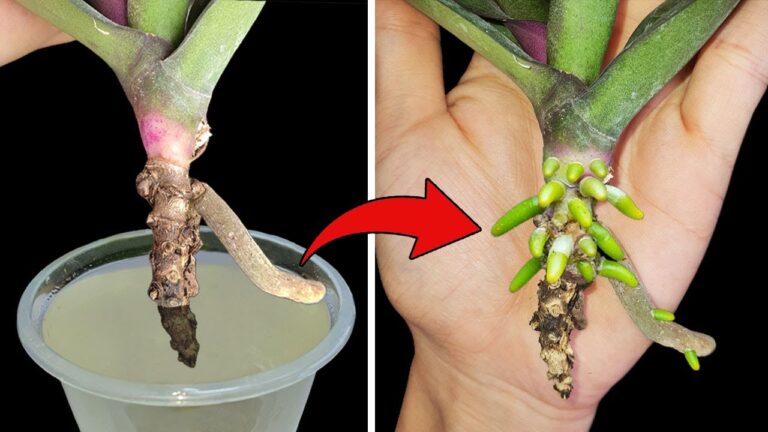
- Avoid Overwatering: Too much moisture can lead to root rot, which is detrimental to your orchids.
2. Fertilizing Schedule
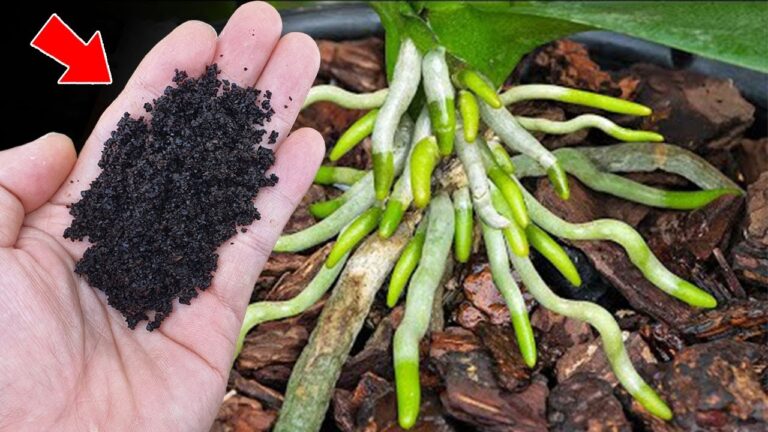
Use a balanced orchid fertilizer every 2-4 weeks during the growing season. Dilute the fertilizer to half-strength to avoid burning their roots.
3. Signs of Nutritional Deficiencies
Yellowing leaves or reduced blooming can indicate a lack of essential nutrients. Adjust your fertilization routine accordingly.
Common Mistakes to Avoid
Even seasoned orchid caretakers can make missteps that hinder blooming.
1. Ignoring Type-Specific Needs
Different orchids have unique requirements. Failing to cater to these can lead to poor health and reduced blooms.
2. Poor Potting Conditions
A pot that doesn’t drain well can suffocate roots. Always use a pot with drainage holes and appropriate potting mix for orchids.
3. Neglecting Pest Management
Insects like aphids or scale can damage flowers and foliage. Regularly inspect your plants and treat any infestations promptly.
Frequently Asked Questions
How often should I water my orchids? Water your orchids once every 1-2 weeks, depending on the potting medium and environmental conditions. Always ensure the medium is dry a few inches down before the next watering.
What is the best fertilizer for orchids? A balanced 30-10-10 or a specialized orchid fertilizer works well, but always dilute it to avoid root burn. Fertilizing every 2-4 weeks during the growing season is ideal.
Why are my orchid leaves turning yellow? Yellow leaves can result from overwatering, lack of nutrients, or insufficient light. Assess and adjust your care routine as necessary.
Maintaining your orchids may require some attention, but with the right care, you’ll enjoy their beauty all year round. Have you experienced your orchids blooming, or are they giving you trouble? Share your experiences in the comments!