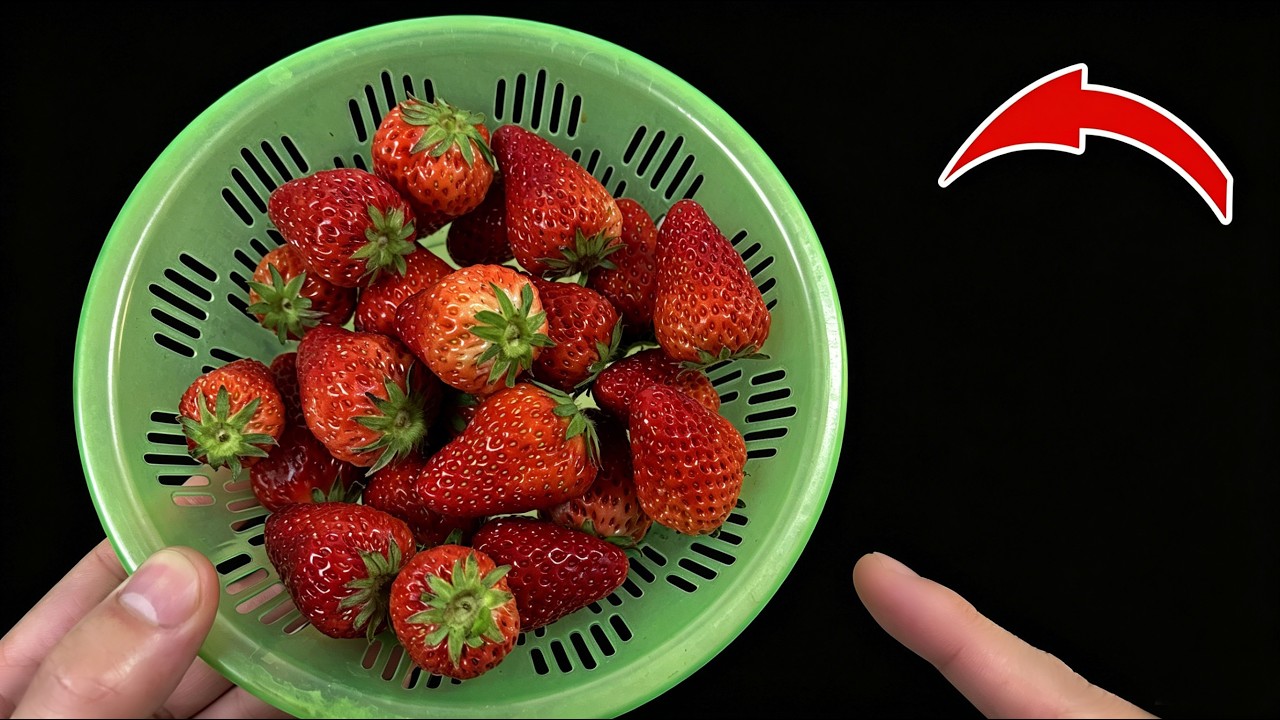
7 Proven Steps to Wash Strawberries Like a Pro for Maximum Freshness! 🍓✨
7 Proven Steps to Wash Strawberries for Maximum Freshness
After a long day at the market or grocery store, you finally bring home those vibrant red strawberries. You place them on the kitchen counter, excited to enjoy their sweet flavor. However, before diving in, you might wonder how to properly wash them to ensure they are not only delicious but also safe to eat. Understanding the right techniques can elevate your berry experience, and it’s simpler than you might think. Read on for essential steps to keep your strawberries fresh!
Why Washing is Important
Keeping your strawberries clean is crucial for both taste and safety. Here are some reasons why you should always wash your fruit:
- Removes Pesticides: Even organic strawberries can have residues from pesticides. Washing helps reduce these chemicals.
- Eliminates Bacteria: Bacteria can be present on the surface of fruits. Proper washing minimizes the risk of foodborne illnesses.
- Enhances Flavor: Freshly washed strawberries taste better. Dirt and residues can dull their natural sweetness.
Required Materials
Before starting, gather the following items:
- Large bowl: For soaking the strawberries.
- Colander: To drain excess water.
- Clean water: Use cool water for washing.
- Baking soda or vinegar (optional): These can help reduce pesticide residues.
- Kitchen towel: For drying the strawberries afterward.
Step-by-Step Guide
Follow these steps to effectively wash your strawberries:
1. Prepare Your Washing Solution
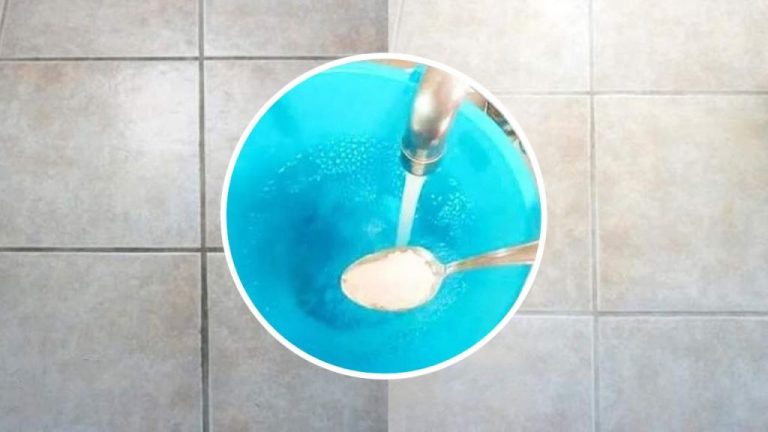
- Fill a large bowl with cool water.
- If using, add a teaspoon of baking soda or vinegar to the water.
2. Soak the Strawberries
- Gently place the strawberries in the bowl.
- Let them soak for about 5 to 10 minutes. This helps loosen any dirt and pesticide residues.
3. Rinse Thoroughly
- Transfer the strawberries to a colander.
- Rinse them under cool running water, making sure to remove all residues.
4. Pat Dry
- Use a clean kitchen towel to gently pat the strawberries dry.
- Avoid rubbing as this can damage the delicate fruit.
5. Store Properly
- Place the washed strawberries in a container lined with paper towels.
- Store them in the refrigerator to maintain their freshness.
Common Mistakes
Here are some pitfalls to avoid when washing strawberries:
- Washing strawberries before storing can lead to mold growth. Always wash them just before eating.
- Using hot water can damage the strawberries, affecting taste and texture.
- Not removing the green tops before washing can trap dirt and moisture, making cleaning harder.
- Skipping the soak. Just rinsing may not be sufficient to remove residues.
- Using soap or commercial fruit cleaners, which can leave harmful residues on the fruit.
FAQ
How do I know if strawberries are fresh? Look for bright red color, plumpness, and a sweet aroma. Dull or shriveled strawberries may not be fresh.
Can I wash strawberries in advance? It’s best to wash strawberries just before you plan to eat them to prevent spoilage and mold.
Is it necessary to soak strawberries before rinsing? Soaking helps remove pesticides and dirt more effectively than rinsing alone.
Conclusion
Washing strawberries properly enhances their taste and ensures they are safe to enjoy. By following these steps, you can make the most of your fresh strawberries. How do you prefer to eat your strawberries—plain or in a dessert? Share your thoughts in the comments!