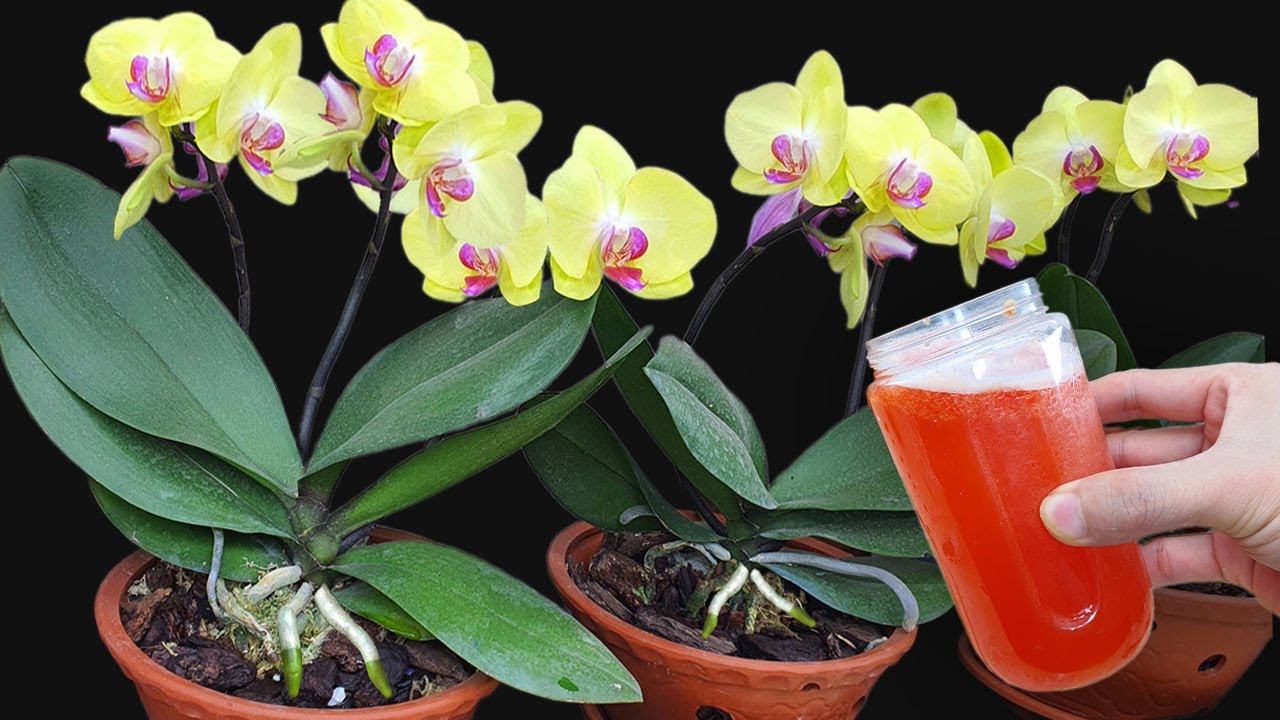
Unlock Year-Round Blooms with Just 1 Cup of Water for Your Plants!
Unlock Year-Round Blooms with Just 1 Cup of Water for Your Plants
- Introduction
- Understanding Water Needs
- Best Practices for Watering
- Common Watering Mistakes to Avoid
- FAQ
- Conclusion
Introduction
Picture a time when your plants looked vibrant and full of life. However, despite your efforts, they seem to struggle, leaving you wondering what could be wrong. The crucial element often overlooked is water—specifically, how much your plants actually need. Understanding how to manage this resource can make all the difference in achieving year-round blooms. Continue reading to discover effective strategies for optimizing your plant care routine.
Understanding Water Needs
Each plant has unique water requirements, influenced by species, size, and season. Knowing your plants will help you provide the right amount of moisture.
1. Factors Influencing Water Needs
Consider the following factors when determining how much water your plants require:
- Type of Plant: Different species have varying tolerances to dryness and humidity.
- Soil Type: Well-draining soil may require more frequent watering compared to clay-based soils.
- Climate: Sunlight and temperature greatly affect water evaporation rates.
2. Signs Your Plants Need Water
To gauge your plant’s need for water, keep an eye out for these signs:
- Leaves wilting or drooping
- Dry, brown edges on leaves
- Soil that feels very dry to the touch
Best Practices for Watering
Effective watering is essential for maintaining healthy plants. Here are key practices to implement:
1. Watering Techniques
How you water can impact plant health significantly. Consider these techniques:
- Soak and Dry: Water deeply but infrequently to encourage root growth.
- Morning Watering: Watering in the morning helps reduce evaporation and enhances nutrient absorption.
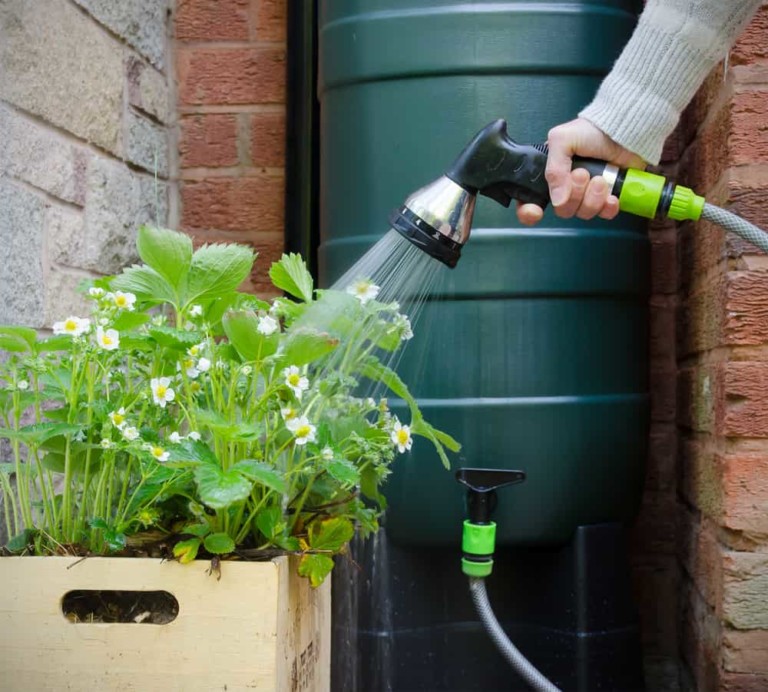
- Use the Right Tools: A watering can or hose with a fine spray can deliver water precisely.
2. Adjust for Seasonal Changes
Your plants’ water needs may vary with the seasons:
- Spring: Begin with moderate watering as plants emerge.
- Summer: Increase frequency during hot months, focusing on morning watering.
- Fall: Gradually reduce watering as temperatures drop.
- Winter: Maintain minimal moisture, ensuring the soil doesn’t freeze completely.
Common Watering Mistakes to Avoid
Even seasoned gardeners can make errors in their watering practices. Here are a few to watch out for:
- Overwatering: This can lead to root rot and other issues, stunting growth.
- Watering at Night: It can increase the risk of disease due to lingering moisture.
- Ignoring Soil Type: Not adjusting your watering for soil drainage can harm your plants.
- Neglecting to Check Soil Moisture: Always test before watering to avoid unnecessary soaking.
FAQ
How often should I water my plants? It depends on plant type and environmental conditions. Generally, allow the top inch of soil to dry out before watering again.
Can I use tap water for my plants? Yes, but let it sit for 24 hours to allow chlorine to evaporate. Filtered or rainwater is preferable.
What’s the best way to check my soil moisture? Stick your finger into the soil; if it feels dry an inch down, it’s time to water!
Conclusion
Understanding your plants’ water needs and employing best practices can ensure your gardening efforts yield beautiful blooms year-round. What watering tips have worked best for you? Feel free to share your experiences in the comments!