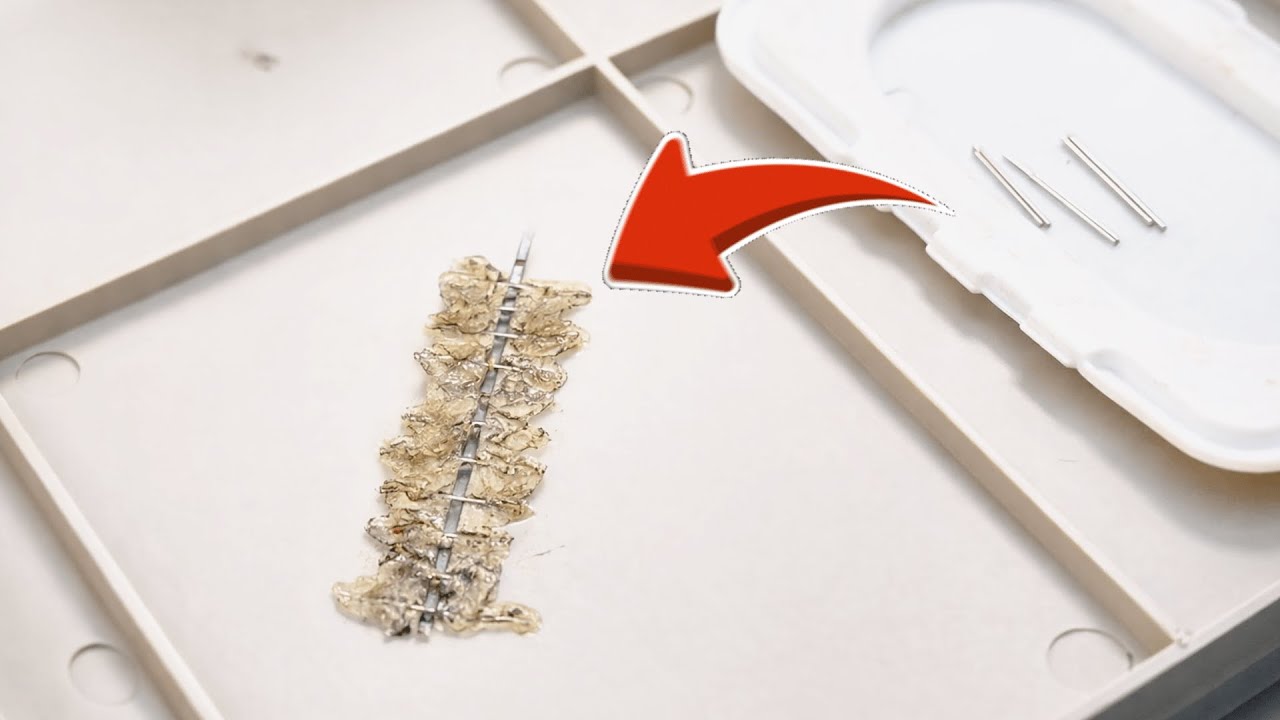
Discover 7 Secrets of Plastic Welding for Unbreakable Repairs!
Mastering the Art of Plastic Welding for Home Repairs
- Introduction
- Understanding Plastic Welding
- Essential Materials for Plastic Welding
- Step-by-Step Guide to Plastic Welding
- Common Mistakes to Avoid
- FAQ
- Conclusion
Introduction
Have you ever faced a frustrating moment when a plastic item breaks, leaving you wondering if it can be salvaged? Plastic items are common in our daily lives, and damage often feels irreversible. The good news is that with the right know-how, you can repair plastics efficiently. In this guide, we’ll explore key aspects of plastic welding, providing practical insights and techniques to help you achieve strong, lasting repairs. Read on to discover how you can become proficient in this handy skill.
Understanding Plastic Welding
Before delving into plastic welding techniques, it’s important to grasp what it entails. Plastic welding is a process that joins two plastic surfaces through heat, pressure, or a combination of both. This method works on various types of plastic, making it versatile for multiple household items.
Why Choose Plastic Welding?
Plastic welding offers several advantages over traditional adhesive methods:
- Durability: Welded joins are generally stronger and more resilient than those made with glue.
- Speed: The process is often quicker than waiting for adhesive to cure.
- Clean Finish: Welding can provide a neater and more professional appearance.
Types of Plastic Suitable for Welding
Not all plastics are created equal when it comes to welding. Most commonly, you can weld:
- Polypropylene (PP): Often used in packaging and automotive applications.
- Polyethylene (PE): Common in containers and plastic bags.
- Polyvinyl Chloride (PVC): Frequently seen in plumbing and flooring.
Essential Materials for Plastic Welding
Having the right tools and materials is crucial for successful plastic welding. Below is a list of items you will need:
- Plastic Welder: A tool that provides heat to melt the plastic edges.
- Welding Rods: Often made from the same plastic type you’re repairing.
- Safety Gear: Ensure you have gloves and eye protection.
- Clamps: Useful for holding the pieces together while welding.
Choosing the Right Welder
There are different types of welders available:
- Hot Air Welders: Ideal for thin materials, using a stream of heated air.
- Hot Plate Welders: Great for thicker plastics that require more heat.
Preparing Your Workspace
Ensure that your workspace is:
- Well-ventilated to avoid inhaling fumes.
- Organized to easily access tools and materials.
- Free of clutter to minimize hazards.
Step-by-Step Guide to Plastic Welding
Now that you have the necessary materials, follow this step-by-step process for effective plastic welding:
- Clean the Surfaces: Remove any dirt, grease, or old adhesive from the edges of the plastic pieces.
- Align the Pieces: Position the plastic parts you wish to weld, ensuring they fit snugly together.
- Heat the Welder: Preheat your plastic welder according to the manufacturer’s instructions.
- Weld the Pieces: Use the welder to apply heat directly to the edges of the plastic, introducing the welding rod as needed.
- Allow to Cool: Once the weld is complete, allow the joint to cool and set before handling.
Practical Tips for a Successful Weld
- Keep the welder moving to avoid burning the plastic.
- Practice on scrap pieces first to get a feel for the process.
- Monitor the temperature to prevent overheating and warping.
Common Mistakes to Avoid
As with any skill, there are common pitfalls to be aware of in plastic welding:
- Using the Wrong Temperature: Too low a temperature may not bond the plastic effectively, while too high can burn it.
- Neglecting Safety Precautions: Always wear protective gear to avoid injuries.
- Rushing the Process: Allow sufficient time for both heating and cooling steps to ensure a strong bond.
- Ignoring Material Compatibility: Not all plastics can be welded together effectively; always check compatibility.
- Poor Surface Preparation: Failing to clean and align the surfaces can lead to weak joins.
FAQ
What type of plastics can I weld together?
You can weld similar types of plastics, such as polypropylene (PP) with PP, polyethylene (PE) with PE, and polyvinyl chloride (PVC) with PVC for the best results.
Do I need special training to plastic weld?
No formal training is required, but practice and understanding the process will enhance your skills and results.
Can I plastic weld items for outdoor use?
Yes, welded plastic items can be used outdoors, but ensure that the plastic is UV resistant for longevity.
Conclusion
Plastic welding is a valuable skill that can help extend the life of numerous household items. With the right materials and techniques, you can achieve strong, unbreakable repairs. What plastic items have you considered attempting to repair? Share your thoughts in the comments below!