Discover 7 Glueless Wood Joints That Will Change Your Crafting Game Forever!
7 Glueless Wood Joints for Your DIY Projects
- Introduction
- Benefits of Glueless Wood Joints
- Types of Glueless Wood Joints
- Making Glueless Wood Joints
- Common Mistakes to Avoid
- FAQ
- Conclusion
Introduction
Have you ever struggled with messy glue stains while working on a woodworking project? It can be frustrating to wait for adhesives to dry or find your pieces misaligned. Glueless wood joints provide a practical solution, allowing your projects to achieve strength and stability without the stickiness. As you explore these joints, you’ll discover how easy it is to work with wood while producing stunning results. Read on to learn more about the various options available to you.
Benefits of Glueless Wood Joints
Using glueless wood joints offers several advantages that enhance your DIY experience:
- Faster assembly: Without glue, you can put together your projects more quickly, saving valuable time.
- Clean project: Avoid glue messes, ensuring your work areas and final products look neat.
- Flexibility: These joints can be easily disassembled for repairs or modifications, providing freedom in your projects.
Time-saving Techniques
Quick assembly methods can reduce project time. Utilize interlocking designs that simply slide into place.
Visual Appeal
Glueless joints can create beautiful, seamless connections that highlight the wood’s natural beauty.
Types of Glueless Wood Joints
There are various types of glueless wood joints, each suited to different styles and purposes:
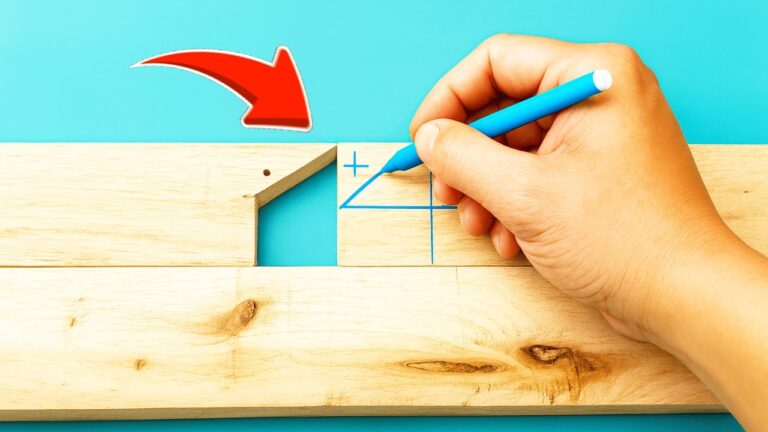
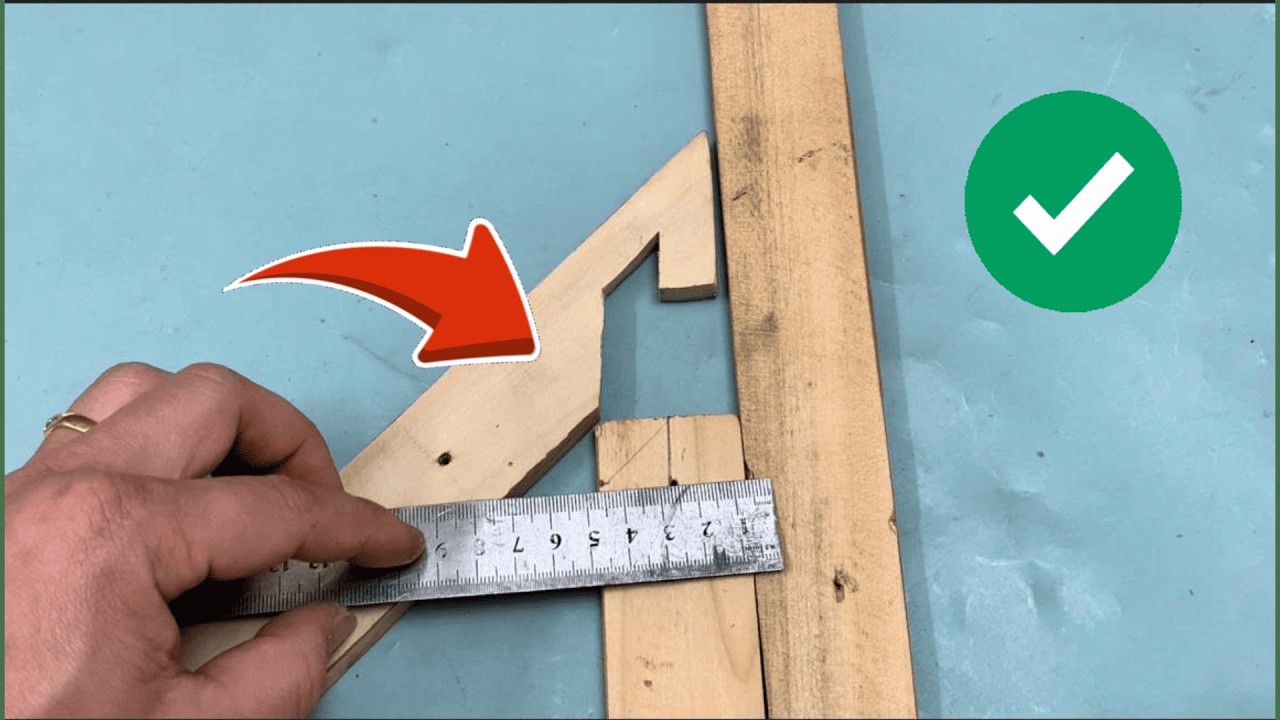
- Collar joint: A simple yet effective joint involving two wooden pieces resting against each other, secured with pins.
- Dovetail joint: Famous for its strength and aesthetic; the interlocking shape prevents sliding.
- Mortise and tenon: This classic joint is reliable and can be created without adhesives.
- Box joint: A sturdy option with interlocking notches; it’s not only strong but easy to make.
- Biscuit joint: Utilizing pre-made biscuits for alignment can create strong connections without glue.
Collar Joint Specifics
The collar joint is great for furniture where invisibility of the joint isn’t critical.
Dovetail Joint Variations
Create multiple variations of the dovetail joint to showcase your unique style while maintaining strength.
Making Glueless Wood Joints
Constructing glueless wood joints requires careful measurements and planning. Follow these steps:
- Choose your wood: Select the wood type based on your project requirements.
- Measure accurately: Ensure precise measurements for a snug fit, which will enhance the joint strength.
- Cut the joints: Use a proper saw and tools to cut the necessary joint shapes.
- Fit pieces together: Test the fit before securing; adjustments may be needed.
- Add finishing touches: Sand edges for a smooth finish, highlighting the beauty of your craftsmanship.
Tools Required
Ensure you have the right tools — saws, clamps, and chisels are essential for a successful build.
Adjusting and Testing
After fitting, make necessary adjustments to achieve the perfect alignment before finalizing your project.
Common Mistakes to Avoid
Even seasoned crafters can run into pitfalls when working with glueless wood joints. Here are a few to be mindful of:
- Not measuring correctly, which can lead to ill-fitting joints.
- Using the wrong type of wood, which might not be suited for the joint style.
- Rushing through assembly, which may result in poor alignment.
Ignoring Safety
Always prioritize safety by wearing appropriate gear and following tool usage guidelines.
Overlooking Finishing
Neglecting the finishing touches can affect both the look and longevity of your project.
FAQ
What are glueless wood joints?
Glueless wood joints are methods of joining wood pieces without the use of adhesive. They rely on mechanical connections to create strength and durability.
Can beginners use glueless wood joints?
Yes, beginners can successfully use glueless wood joints with proper guidance and practice, as many techniques require basic woodworking skills.
Are glueless joints as strong as glued joints?
When constructed correctly, glueless joints can offer comparable strength to glued joints, depending on the type used and the project specifications.
Conclusion
Exploring glueless wood joints can elevate your DIY projects, saving you time while maintaining a beautiful finish. By avoiding common mistakes and practicing the techniques discussed, you can achieve remarkable results in your woodworking endeavors. What projects are you excited to try these joints on?