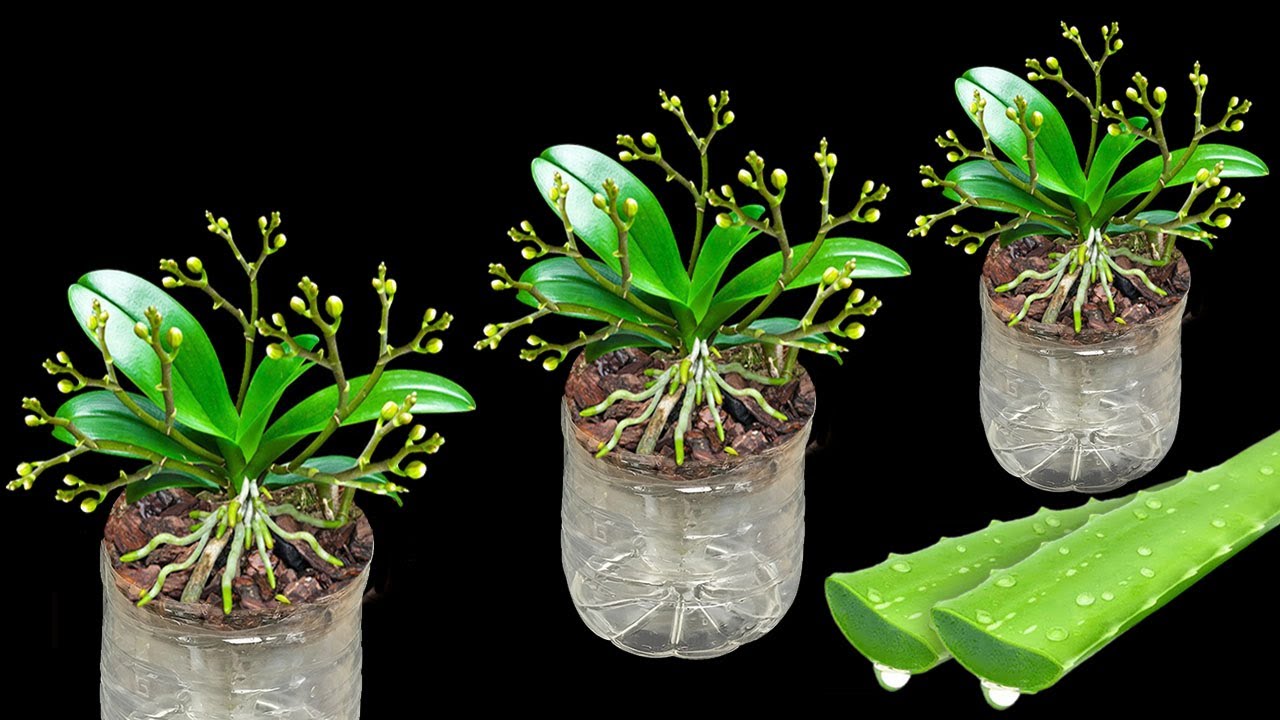
7 Genius Tips to Grow Orchids in Plastic Bottles for Endless Blooms
7 Genius Tips for Growing Orchids in Plastic Bottles
- Introduction
- The Benefits of Reusing Plastic Bottles
- Choosing the Right Orchid
- Setting Up Your Bottle Garden
- Care and Maintenance
- Common Mistakes
- FAQ
- Conclusion
Introduction
Picture yourself walking into a room filled with vibrant colors and fragrant blossoms, all nurtured within the confines of repurposed plastic bottles. You might have wondered if it’s truly possible to grow orchids in plastic bottles and achieve stunning blooms. As you think about the idea of sustainable gardening, you may have doubts about how to turn this vision into reality. Let’s explore some tips that will help you cultivate beautiful orchids using this creative method.
The Benefits of Reusing Plastic Bottles
Using plastic bottles for gardening not only helps to reduce waste but also provides unique advantages for nurturing orchids.
1. Cost-effective
Utilizing old plastic bottles is a budget-friendly alternative to traditional pots.
2. Excellent drainage
Many plastic bottles naturally allow for drainage when modified correctly, preventing root rot.
3. Space-saving
Plastic bottles can be hung in various spaces, making them ideal for small gardens or indoor areas.
Choosing the Right Orchid
When selecting orchids for your plastic bottle garden, it’s essential to pick varieties that thrive in these conditions.
1. Dendrobium Orchids
These orchids are resilient and adapt well to different environments, making them perfect for bottle gardening.
2. Phalaenopsis Orchids
Known as moth orchids, they require less light and are excellent for beginners.
3. Cattleya Orchids
These orchids produce large, fragrant blooms and can flourish in plastic bottles with proper care.
Setting Up Your Bottle Garden
Creating a successful orchid environment in plastic bottles involves specific steps to ensure the best growth.
1. Prepare Your Bottles
- Clean your bottles thoroughly to remove any residue or odors.
- Cut the bottle in half, leaving the top section to serve as a pot.
- Drill holes in the bottom for drainage.
2. Add Suitable Medium
A special potting mix designed for orchids is essential. Consider using a combination of bark, moss, and charcoal.
3. Plant Your Orchids
- Position the orchid roots into the potting mix, ensuring they are well covered.
- Water lightly to help the roots settle in without oversaturating.
Care and Maintenance
Proper maintenance of your orchid in a plastic bottle will help in achieving those beautiful blooms.
1. Light Requirements
Orchids thrive in bright, indirect sunlight. Ensure your bottles are placed where they receive adequate light without direct rays.
2. Watering Schedule
Water your orchids every 7-10 days, adjusting based on humidity and temperature conditions.
3. Fertilization
Apply a balanced orchid fertilizer every month, diluted to half strength for best results.
Common Mistakes
Avoiding common pitfalls can greatly improve your chances of success when growing your orchids in plastic bottles.
1. Overwatering
Too much water can lead to root rot, so always check moisture levels before watering.
2. Inadequate Drainage
Failing to create proper drainage holes can suffocate the roots, leading to unhealthy plants.
3. Improper Light Conditions
Too much or too little light can hinder growth, so find the right balance for your orchids.
FAQ
Can I use any type of plastic bottle for orchids?
While most plastic bottles can work, transparent ones allow you to monitor root health.
How long do orchids last in plastic bottles?
With proper care, orchids can thrive for several years, producing blooms each season.
Can I use regular potting soil for orchids?
No, it’s best to use a potting mix specifically designed for orchids to ensure proper aeration and drainage.
Conclusion
Growing orchids in plastic bottles offers a sustainable way to enjoy these beautiful plants while reducing waste. With careful tips and attention to their needs, you can achieve vibrant blooms. What variety are you most excited to grow in your unique garden setup?