60 Essential Plants to Attract Bees, Butterflies, and Beneficial Insects
60 Essential Plants to Attract Bees, Butterflies, and Beneficial Insects
Attracting bees, butterflies, and other beneficial insects to your garden has never been more crucial than it is today. With the alarming decline in insect species worldwide, largely due to harmful agricultural practices and deforestation, it’s time for us, as dedicated backyard gardeners, to take action.
By planting flowers, herbs, and garden crops, we can create a sanctuary for these essential pollinators. Even the smallest garden can make a significant difference in supporting insect populations. Let’s explore how we can transform our backyards into vibrant habitats by choosing the right plants.
Rewilding Your Garden
Attracting bugs, bees, and bats involves more than simply providing food; it’s also about rewilding our spaces. Consider planting native flowers like coneflowers, black-eyed Susans, and hollyhocks to create a feast for both your eyes and pollinators.
Rewilding does not mean inviting large predators into your yard; rather, it’s about allowing nature to thrive closer to home. Making small adjustments, such as mowing less frequently or turning your lawn into a wildflower meadow, can significantly benefit soil health and attract pollinators.
20 Plants to Attract Bees
Here are 20 plants that are particularly appealing to bees:
- Asters (Aster sp.)
- Bee Balm (Monarda sp.)
- Black-Eyed Susan (Rudbeckia hirta)
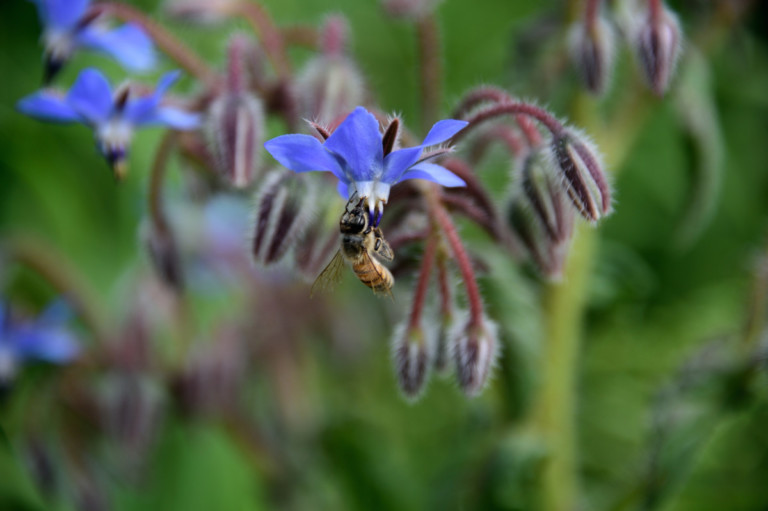
- Borage (Borago officinalis)
- Chives (Allium schoenoprasum)
- Goldenrod (Solidago sp.)
- Lavender (Lavandula sp.)
- Liatris (Liatris spicata)
- Marigold (Tagetes sp.)
- Mint (Mentha sp.)
- Nasturtium (Tropaeolum majus)
- Peony (Paeonia sp.)
- Phlox (Phlox paniculata)
- California Poppies (Eschscholzia californica)
- Roses (Rosa sp.)
- Sage (Salvia sp.)
- Sunflower (Helianthus)
- Thyme (Thymus vulgaris)
- Verbena (Verbena bonariensis)
- Zinnia (Zinnia elegans)
With a diverse range of plants, you’ll attract a variety of beneficial insects, which can help sustain the ecosystem in your garden.
Do Your Part to Help Bees Thrive
Bees play a vital role in pollinating 90% of the world’s food. It’s essential to provide them with the nutrition they need. Consider replacing harmful chemicals in your yard with bee-friendly practices, and prioritize planting flowers that attract these crucial pollinators.
While dandelions are often thought to be a necessary food source for bees, they are merely a snack compared to the more nutritious pollen from trees. Instead, focus on planting a variety of flowers that offer high-quality nourishment.
20 Flowers and Plants to Attract Butterflies
If you’d like to attract butterflies to your garden, here are 20 excellent plant choices:
- Angelica (Angelica archangelica)
- Asters (Aster sp.)
- Baptisia (Baptisia sp.)
- Bee Balm (Monarda sp.)
- Black-Eyed Susan (Rudbeckia)
- Coneflower (Echinacea angustifolia)
- Daylilies (Hemerocallis sp.)
- Joe-Pye Weed (Eutrochium purpureum)
- Liatris – Blazing Star (Liatris sp.)
- Milkweed (Asclepias)
- Mints (Mentha sp.)
- Oxeye Daisy (Leucanthemum vulgare)
- Perennial Snapdragons (Antirrhinum sp.)
- Phlox (Phlox paniculata)
- Rushes (Juncus effusus)
- Salvia/Sage (Salvia sp.)
- Stonecrop (Sedum sp.)
- Sunflower (Helianthus)
- Verbena (Verbena sp.)
- Yarrow (Achillea millefolium)
Creating a butterfly garden this year could offer a stunning visual and ecological benefit to your space. Don’t forget to provide a shallow water source for these delicate creatures.
15 Best Plants to Attract Beneficial Insects
Insects have various needs, and it’s crucial to diversify your garden to attract beneficial species. Here are 15 plants that can help you draw in these helpful visitors:
- Alfalfa (Medicago sativa)
- Angelica (Angelica sp.)
- Black-Eyed Susans (Rudbeckia hirta)
- Buckwheat (Eriogonum sp.)
- Caraway (Carum carvi)
- Coneflower (Echinacea sp.)
- Cosmos (Cosmos bipinnatus)
- Dill (Anethum graveolens)
- Goldenrod (Solidago sp.)
- Queen Anne’s Lace (Daucus carota)
- Sunflower (Helianthus annuus)
- Sweet Alyssum (Lobularia maritima)
- Sweet Clover (Melilotus sp.)
- Tansy (Tanacetum vulgare)
- Tickseed (Coreopsis sp.)
- Yarrow (Achillea millefolium)
Winter Care of Plants that Attract Beneficial Insects
During winter, it’s vital to ensure that beneficial insects have a safe place to hibernate. Allowing dead stems and leaves to remain in your garden provides shelter for insects. In fact, a less manicured garden often attracts more wildlife.
Getting Over the Fear of Bugs
Our upbringing often instills a fear of bugs; however, most are harmless and can play crucial roles in your garden’s ecosystem. Embrace the opportunity to learn about these insects and their benefits. Encourage children to observe rather than eliminate. By fostering a respect for nature, you can enrich your gardening experience.
Conclusion
Now is the time to start planning your insect-friendly garden. Compile a list of plants you wish to grow and gather seeds or plant materials to make it happen. A diverse, slightly wild garden offers beauty and joy for both you and your new insect inhabitants. So, what are you waiting for? Plant the seeds of change today!