6 Unusual Signs of Heart Disease You Must Know Now! 🚨 Find Out What They Are!
6 Unusual Signs of Heart Disease You Must Know
As you go about your daily routine, you might be surprised to learn that some subtle changes in your body could be warning signs of heart disease. Many people think of chest pain as the primary indicator, but cardiovascular issues can manifest in a variety of unexpected ways. Recognizing these signs early can make a significant difference in your health journey. Keep reading to discover what these unusual signals are and how they relate to heart health.
Understanding Heart Disease
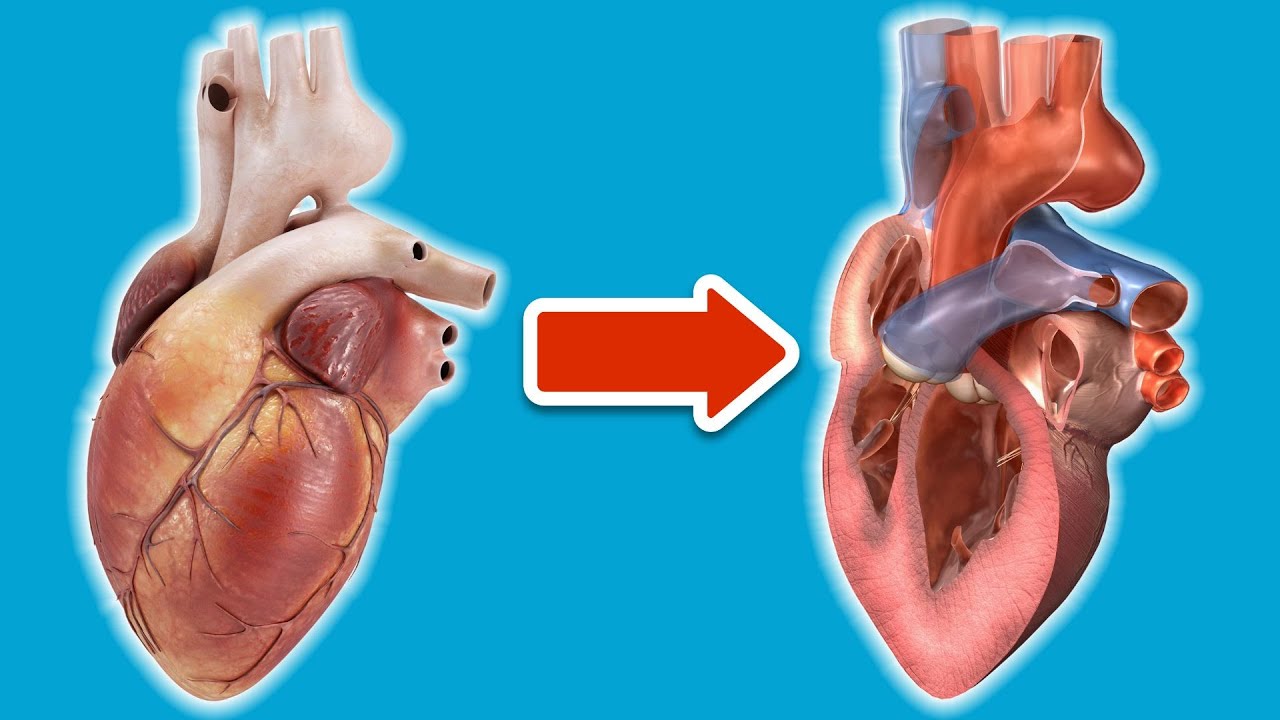
Heart disease encompasses a range of conditions affecting your heart, from coronary artery disease to arrhythmias. It can be life-threatening but often develops gradually, making it important to stay informed about how it may present itself.
Types of Heart Disease
Heart disease can take many forms, including:
- Coronary artery disease: Caused by the buildup of plaque in the arteries.
- Heart failure: Occurs when the heart cannot pump enough blood to meet the body’s needs.
- Arrhythmias: Irregular heartbeats that can lead to other complications.
Risk Factors
Understanding the risk factors can help you take proactive steps to maintain heart health:
- Age: Risk increases with age.
- Family history: Genetic factors can play a role.
- Lifestyle: Poor diet, lack of exercise, and smoking dramatically increase risks.
Lesser-Known Signs
While many people are aware of the common symptoms of heart disease, some signs may go unnoticed. Here are six unusual signs that should never be overlooked:
1. Fatigue
Feeling unusually tired or fatigued, especially if it’s not related to your activity level, can be a red flag. Your heart may be struggling to distribute blood effectively.
2. Swelling in the Legs or Ankles
Fluid retention causing swelling, particularly in the legs or ankles, can suggest heart issues. It may indicate that your heart is not pumping efficiently.
3. Jaw or Neck Pain
Pain or discomfort in the jaw or neck can be mistaken for dental problems but may signal heart-related issues. It can be a referred pain from the heart.
4. Frequent Nausea or Indigestion
If you’re experiencing nausea or digestive discomfort, it could be linked to heart problems, particularly in women.
5. Cold Sweats
Breaking out in cold sweats without an obvious reason could indicate your body is responding to stress related to heart dysfunction.
6. Difficulty Sleeping
If you’re having trouble sleeping, particularly if accompanied by shortness of breath, it warrants immediate attention as it may relate to heart disease.
Importance of Awareness
Being aware of the unusual signs of heart disease can empower you to seek medical advice promptly. Early intervention can significantly improve outcomes.
Recognizing Symptoms
Learning to recognize these signs in yourself or loved ones is crucial. Keeping a journal to track symptoms can help you be more aware of changes in your health.
Regular Check-Ups
Schedule regular check-ups with your healthcare provider to discuss any concerns and appropriate preventive measures.
Healthy Lifestyle Choices
Incorporate heart-healthy practices into your daily routine, which include maintaining a balanced diet, regular exercise, and managing stress. All contribute to your heart health.
Mistakes to Avoid
Understanding how to recognize heart disease signs is important, but avoiding common mistakes can be just as crucial:
1. Ignoring Symptoms
Never dismiss unusual symptoms as insignificant. If something feels off, it’s worth discussing with a healthcare provider.
2. Relying Solely on Family History
While family history is a factor, don’t rely on it as an excuse not to take preventive measures or ignore potential symptoms.
3. Neglecting Regular Check-Ups
Skipping routine check-ups can lead to missing early signs of heart disease, so prioritize visits to your healthcare professional.
4. Not Adapting Lifestyle
Failing to make necessary lifestyle changes in response to heart health concerns can exacerbate issues.
5. Misinterpretation of Pain
Not recognizing the distinction between different types of pain may lead to misdiagnosis or delayed treatment.
FAQ
What are the early signs of heart disease?
Early signs can include fatigue, shortness of breath, and unusual swelling. It’s vital to consult with a healthcare provider if you notice any concerning symptoms.
Can heart disease be prevented?
Yes, adopting a healthy lifestyle with a balanced diet, regular exercise, and routine medical check-ups can significantly reduce the risk of developing heart disease.
When should I seek medical help?
If you experience unexpected symptoms such as severe fatigue, chest pain, or pronounced swelling, you should seek medical attention immediately.
Recognizing the unusual signs of heart disease can play a crucial role in your overall health. By staying informed and vigilant, you can take proactive steps toward better heart health. Have you experienced any of these signs before?