Grow the Best Carrots Ever: From Seed to Harvest Guide
Grow the Best Carrots Ever: From Seed to Harvest Guide
Growing carrots can be a rewarding yet challenging endeavor for gardeners. While it might seem straightforward, without proper care and attention, your harvest can fall short. Drawing from my experiences with carrot cultivation, I’m here to share the essential tips to help you grow beautiful, delicious carrots right from your garden.
12 Popular Carrot Varieties to Grow
Choosing the right carrot variety for your garden is crucial. Carrots come in a delightful array of shapes and colors, differing in flavor and growth conditions. Here are some popular varieties to consider:
- Bolero: Bright orange, sweet, and crunchy, growing 7 to 8 inches long, perfect for market gardening.
- Danvers: A versatile heirloom with rich flavor and dark orange flesh; tolerant of poor soil.
- Lunar White: A vigorous producer with a mild taste and bright white flesh.
- Little Finger: Compact at four inches, ideal for container gardening.
- Oxheart: Stubby and sweet, excellent for winter storage, can weigh up to a pound.
- Nantes: Known for their blunt ends and crunchy, sweet flavor; mature quickly.
- Paris Market Carrot: Short and squat, great for rocky soil.
- Solar Yellow: Pale yellow and reaching about eight inches; light and sweet flavor.
- Purple Dragon: A striking carrot with a yellow center and deep purple skin.
- Imperator: Common in grocery stores; fast-growing and high in sugar content.
- Manpukuji: An exceptionally long Japanese variety that tastes sweetest after a frost.
- Black Nebula: Dark purple, rich in antioxidants, maintains its color after cooking.
Seed Options: Seed Tape, Pellets, or Regular Carrot Seeds?
Carrot seeds are tiny and tricky to plant. If you’d rather not individually place each seed, consider using:
- Seed Tape: Biodegradable strips with pre-spaced seeds that simplify planting.
- Pelleted Seeds: Covered in organic material for easier handling and spacing.
While both methods streamline planting, they tend to cost more per plant and offer limited variety options.
How to Grow Carrots in the Garden
When to Plant Carrots
Carrots can typically be planted in spring and late summer for two harvests. A common mistake is sowing seeds too early. Wait 3 to 5 weeks after the last frost date, and consider warming the soil beforehand. Most varieties take 2 to 4 months to mature, so stagger plantings every two weeks for an extended harvest.
Soil Preparation for Carrots
Carrots thrive in sandy loam soil with good drainage and at least 8 hours of sunlight daily. Remove any obstructions like rocks and roots, and consider amending with compost. Adding wood ash can help with potassium, but avoid nitrogen-heavy fertilizers.
Sowing Carrot Seeds
Direct seed carrots at a depth of 1/8 inch, spaced about 1 inch apart in rows 15 inches apart. Keep the soil moist for up to three weeks to help germination. A row cover can retain moisture, while a soaker hose ensures consistent watering.
Caring for Carrot Plants
Once sprouts appear, remove the row cover. Keep the area weed-free using tools like stirrup hoes or flame weeders. Thin seedlings to 2-3 inches apart and top-dress with a low-nitrogen, high potassium fertilizer after six weeks. Mulching helps retain soil moisture, while consistent watering is crucial.
Common Carrot Pests and Diseases
Carrots are generally disease-resistant, but keeping soil moist and clean can help prevent issues. Insect pests are rarely a problem, but rust flies and weevils may require row covers for protection.
How to Harvest Carrots
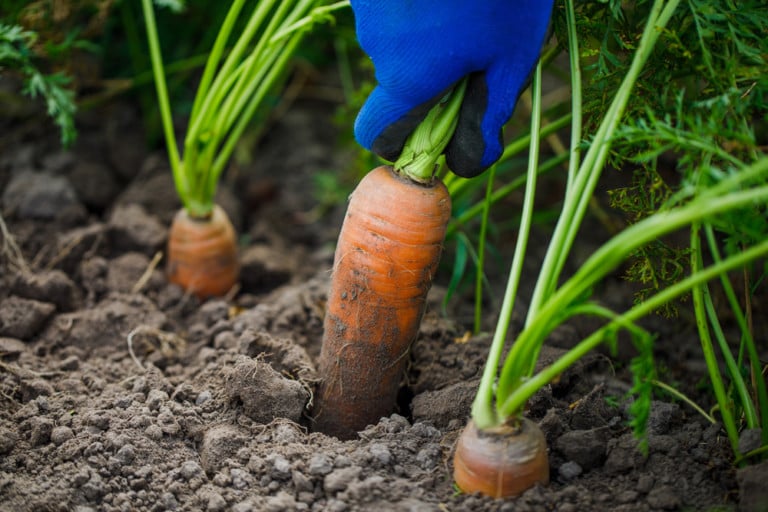
Harvest carrots once they’re about as thick as a finger. For tender summer crops, dig them up early, or wait until the first frost for sweeter fall carrots. Use a digging fork to loosen the soil before harvesting, and consider covering remaining tops with leaves for preservation.
Storing Carrots for Future Use
Carrots can store well if prepared correctly. Twist off excess greenery, wash them thoroughly, and air-dry before sealing in airtight bags in the fridge. Alternatively, store them in bins of moist sand at temperatures between 32-40°F away from ethylene-producing fruits.
How to Grow Carrots in Containers
For limited space or challenging soils, growing carrots in containers is an excellent option. Use at least a 12-inch deep pot with quality potting soil and sow shallow varieties. Ensure consistent watering for a successful crop.
Make This the Year of Growing Carrots Successfully
With the right techniques and tips, you can achieve a bountiful carrot harvest. Learn from past mistakes and enjoy the satisfaction of growing your own delicious carrots this summer. And don’t forget to make use of those flavorful carrot tops!