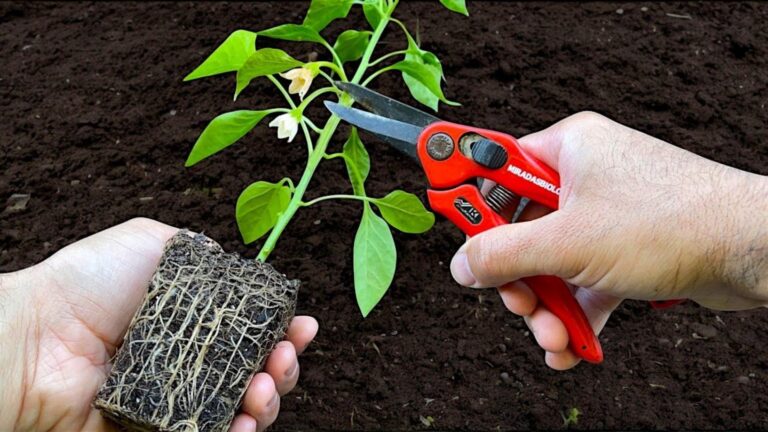

Prune Roses This Winter for Healthier Plants and Vibrant Blooms
Prune Roses This Winter for Healthier Plants and Vibrant Blooms
Pruning your roses during winter is essential for enhancing their health and ensuring a vibrant display of blooms in the coming season. Here’s a comprehensive guide to help you get started with pruning your rose bushes.
Why Prune Roses?
Pruning is vital for promoting a bountiful blossom display. While it may seem daunting, it’s a straightforward process that anyone can master with a bit of practice and aesthetic awareness. Remember, plants are more resilient than we often believe, and pruning is crucial for robust growth.
The Impact of Pruning Techniques
- Hard Pruning: Encourages stronger growth and a healthier bush.
- Light Pruning: Results in less vigorous growth.
When to Prune Roses
Timing is key when it comes to pruning roses. While the best approach varies, the generally accepted timeframe is when the roses are dormant, typically from late February to late March. In northern regions, this window can extend into May. Be sure to look for emerging buds as a clue for when to begin pruning.
Other Considerations
- A light pruning can be done in early autumn.
- Deadheading spent blossoms in summer promotes additional flowers.
Steps to Prune Your Roses
Winter is not just a great time for pruning roses but also for nurturing your fruit trees. As you gain experience, you’ll find the process becomes increasingly enjoyable, to the point where you may even help friends with their gardens!
1. Remove Dead Wood
Start by cutting away all dead wood. Look for signs of damage or infection and remove them close to the base of the cane. This might seem like a significant loss, but healthy roses can quickly bounce back.
2. Open Up the Bush
Thinning out the center of the bush is important for air circulation. Focus on crossing branches that could promote disease. Depending on your goals, you may also want to create a vase shape by removing smaller inner canes.
3. Prune Back to a Bud
When pruning back to a bud, ensure you cut at a 45-degree angle away from the bud. Avoid leaving stubs, as these can lead to decay and unsightly growth. Prune to encourage outward growth, especially if you’re training them to climb.
4. Remove Remaining Leaves
Old leaves can harbor pests, so take the time to remove them, along with any contaminated ties. Use leather gloves and your bypass pruners to help with this clean-up.
5. Thorough Clean-Up
Good plant hygiene is crucial. Collect all fallen leaves and dispose of them properly; never compost diseased parts. Burning them, if safe, is often the best option for disposal.
6. Feed Your Roses
After pruning, it’s essential to continue caring for the roots and providing the necessary nutrients to encourage beautiful blooms. For detailed guidance, check out resources on how to fertilize roses effectively.
Conclusion
Getting the hang of rose pruning can greatly enhance the beauty and health of your garden. Equip yourself with the right tools, follow these steps, and enjoy a more radiant rose bush come spring. Happy pruning!